Skip to content
Trip Japan YLP
Obara Washi Village
Craft & Culture·Obara, Toyota

Obara Washi Village

A quiet craft village in the hills of northern Toyota, known for handmade Obara washi paper and "washi art" — and for the rare four-season cherry that blooms alongside the autumn maples each November.

規劃你的造訪

Tucked into the hills of northern Toyota City, the Obara district is a quiet corner of Aichi known for two things: traditional Obara washi (handmade paper) and the rare shiki-zakura, the "four-season cherry" that blooms in autumn as well as spring. It makes for a calm, unhurried half-day away from the city.

Obara washi & washi art

Obara's paper is made by hand from kozo (paper-mulberry), in a tradition carried on by local makers. In the 20th century, inspired by the artist Fujii Tatsukichi, they developed "washi art" (和紙工芸) — pictures created with dyed paper pulp rather than ink or paint. Framed washi artworks are on display, and the craft has a depth that rewards a closer look.

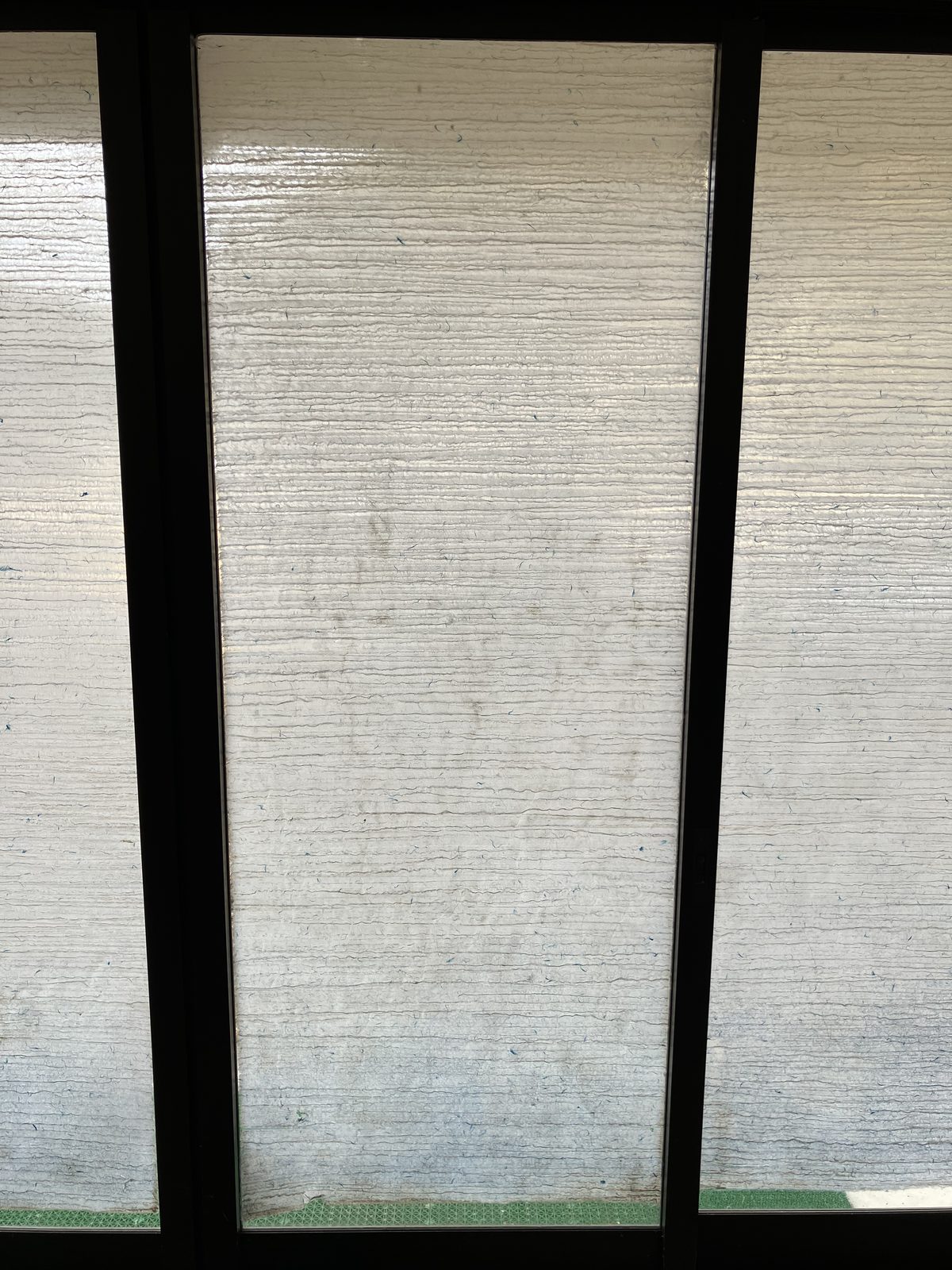
Close-up of translucent, textured handmade washi set into sliding panels.

Make your own sheet of paper

At the Washi no Furusato ("Home of Washi") facility, there is a washi-art museum and a papermaking workshop where visitors can make their own sheet of washi. It is a simple, hands-on experience and a lovely souvenir to carry home — available year-round.

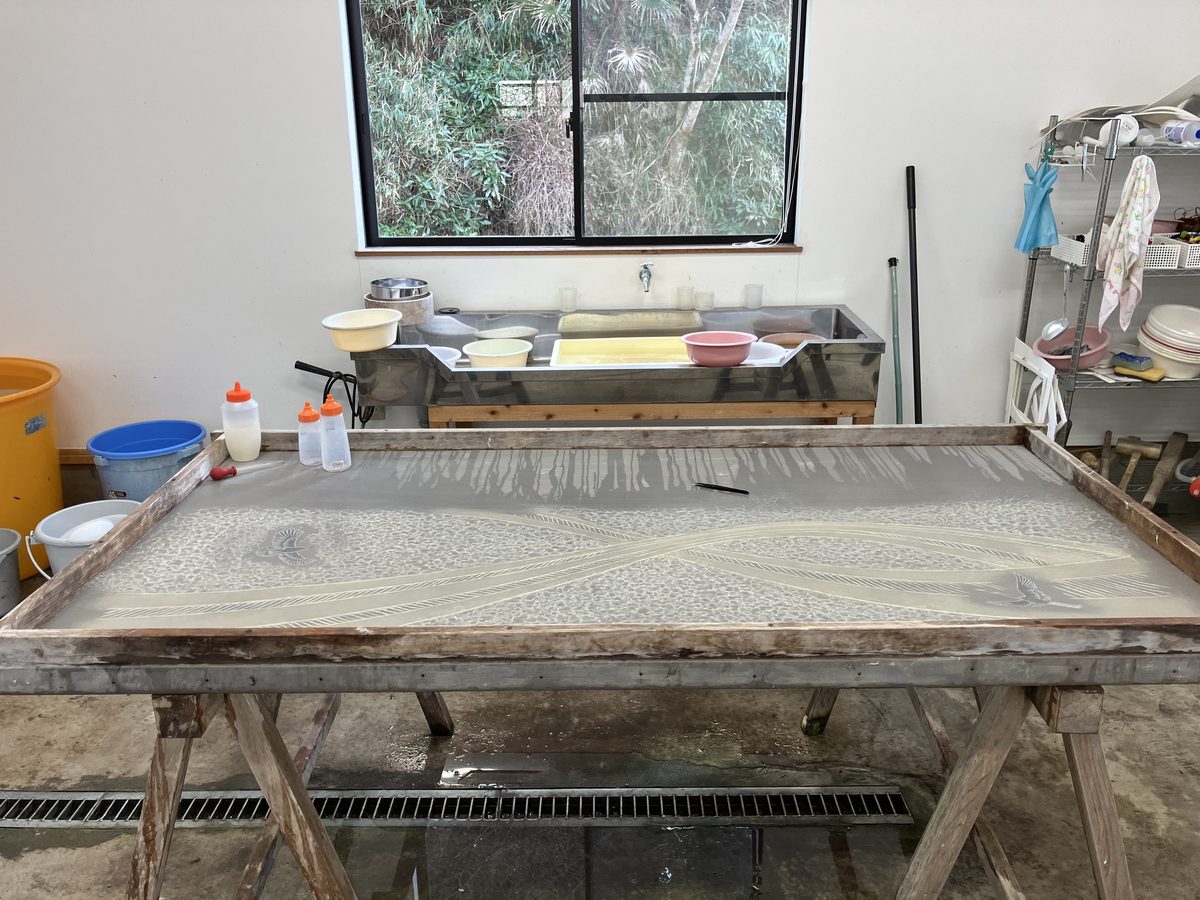
The large papermaking vat where a pattern is laid into the wet pulp.

The rare autumn cherry blossom

Obara's shiki-zakura bloom twice a year, and their autumn flowering — from late October to early December — overlaps with the maple foliage. The result is something you can rarely see: cherry blossoms and red autumn leaves together. The Obara Shikizakura Festival is held in November, which is the best time to visit.

A working atelier in a historic farmhouse

For those who would like to go deeper, we can arrange a visit to a working atelier set in a historic farmhouse — around 300 years old — where you can see washi artworks up close, in the kind of setting where the craft has long been made.

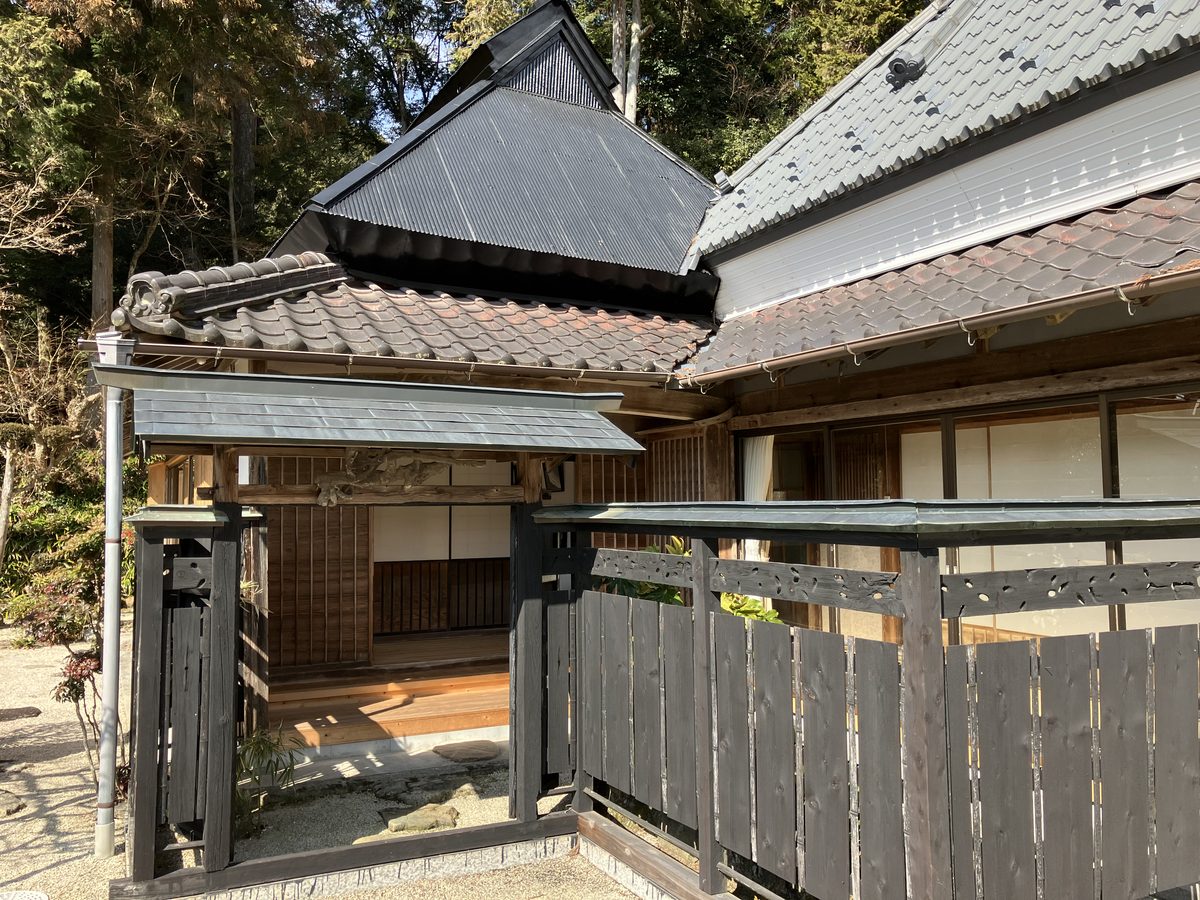
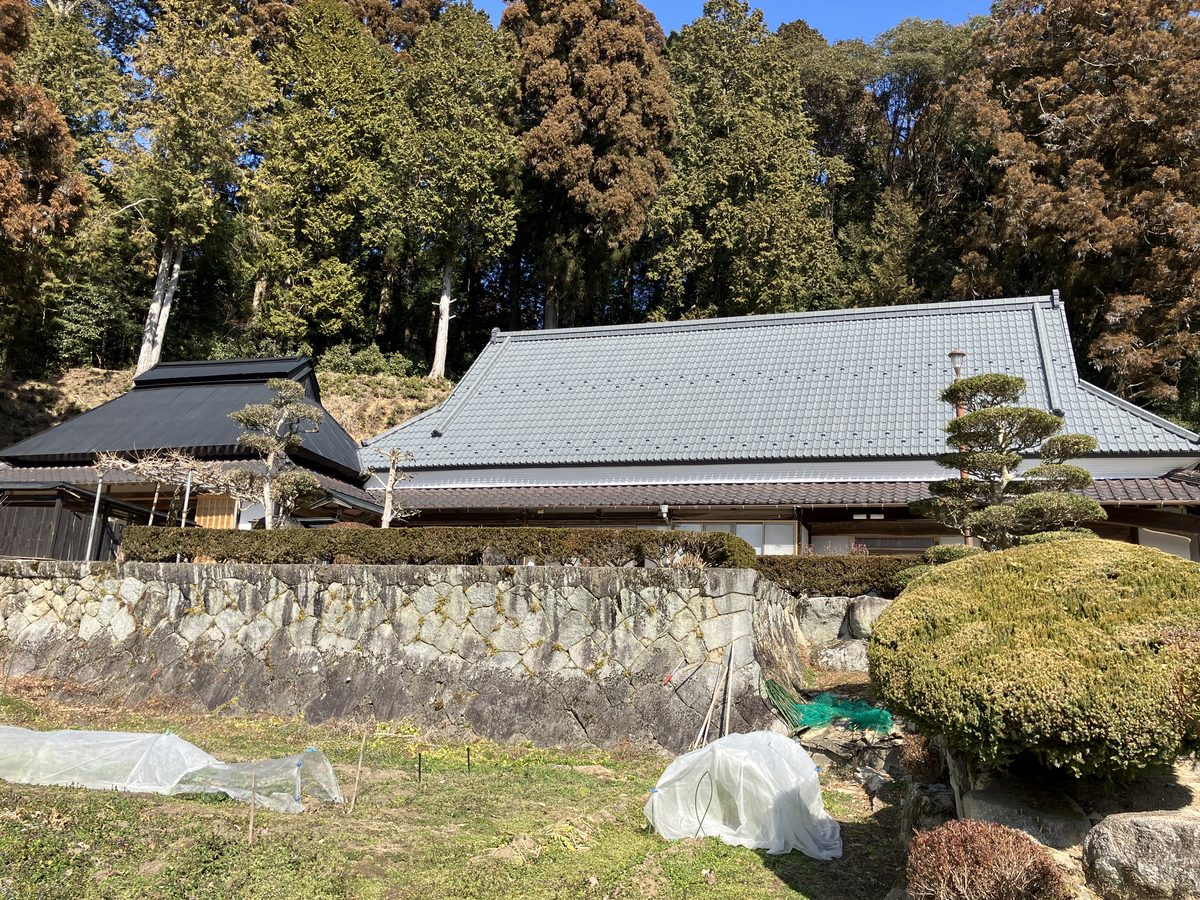
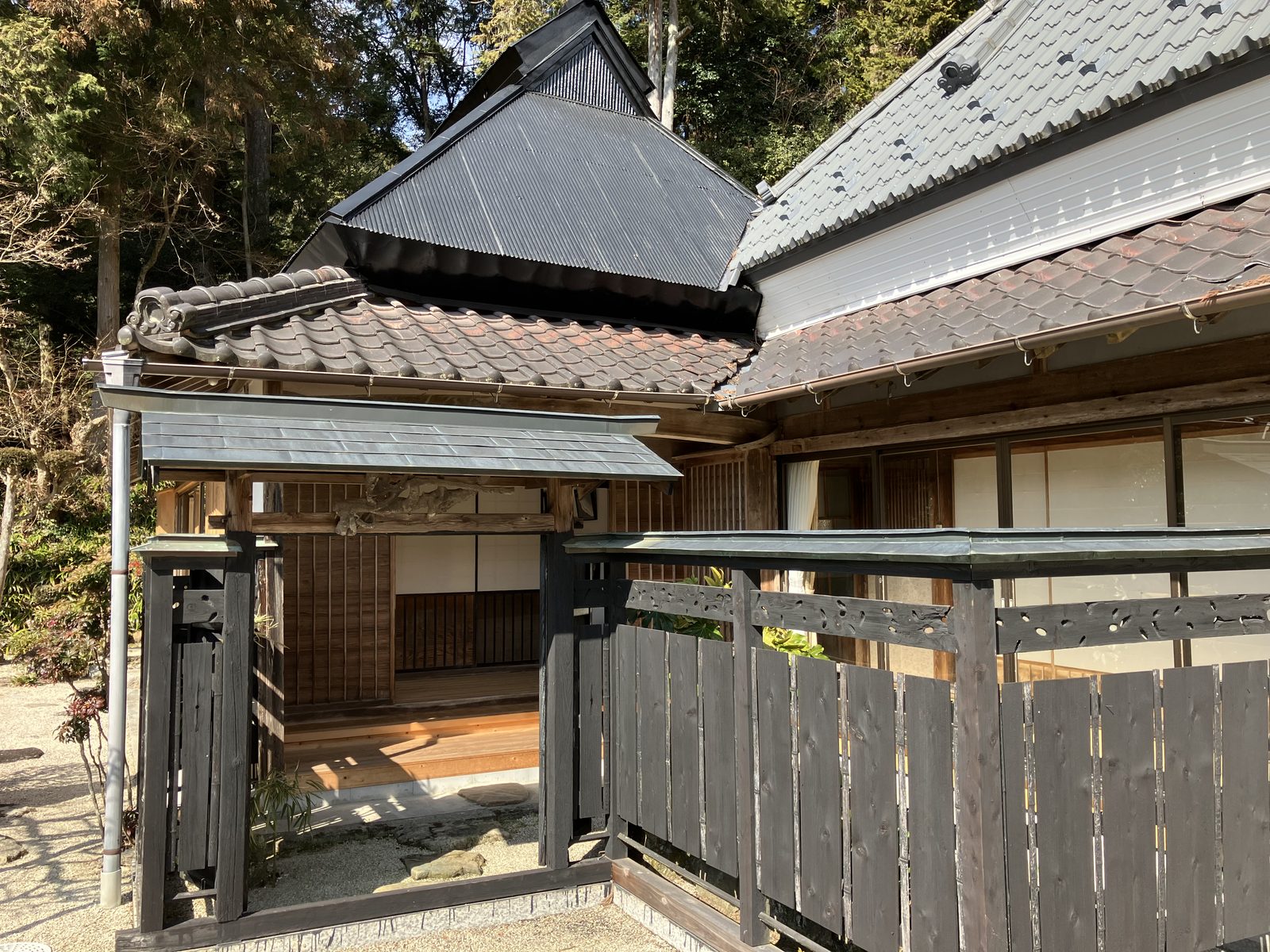
The historic farmhouse atelier, with its tiled roof and covered entrance gate.

Please note: the Washi no Furusato facility has its own opening hours, fees and scheduled closed days. Please check the official site before visiting, and plan November carefully, as the festival period can be busy.

Make it part of your trip

Obara is rural, and a car or guided tour is recommended — it lies roughly 60–75 minutes from Nagoya. We can arrange door-to-door transport and an English- or Vietnamese-speaking guide, and combine the village with the shiki-zakura in season. Tell us your dates and we'll plan it around you.

影像中的它

影像中的它

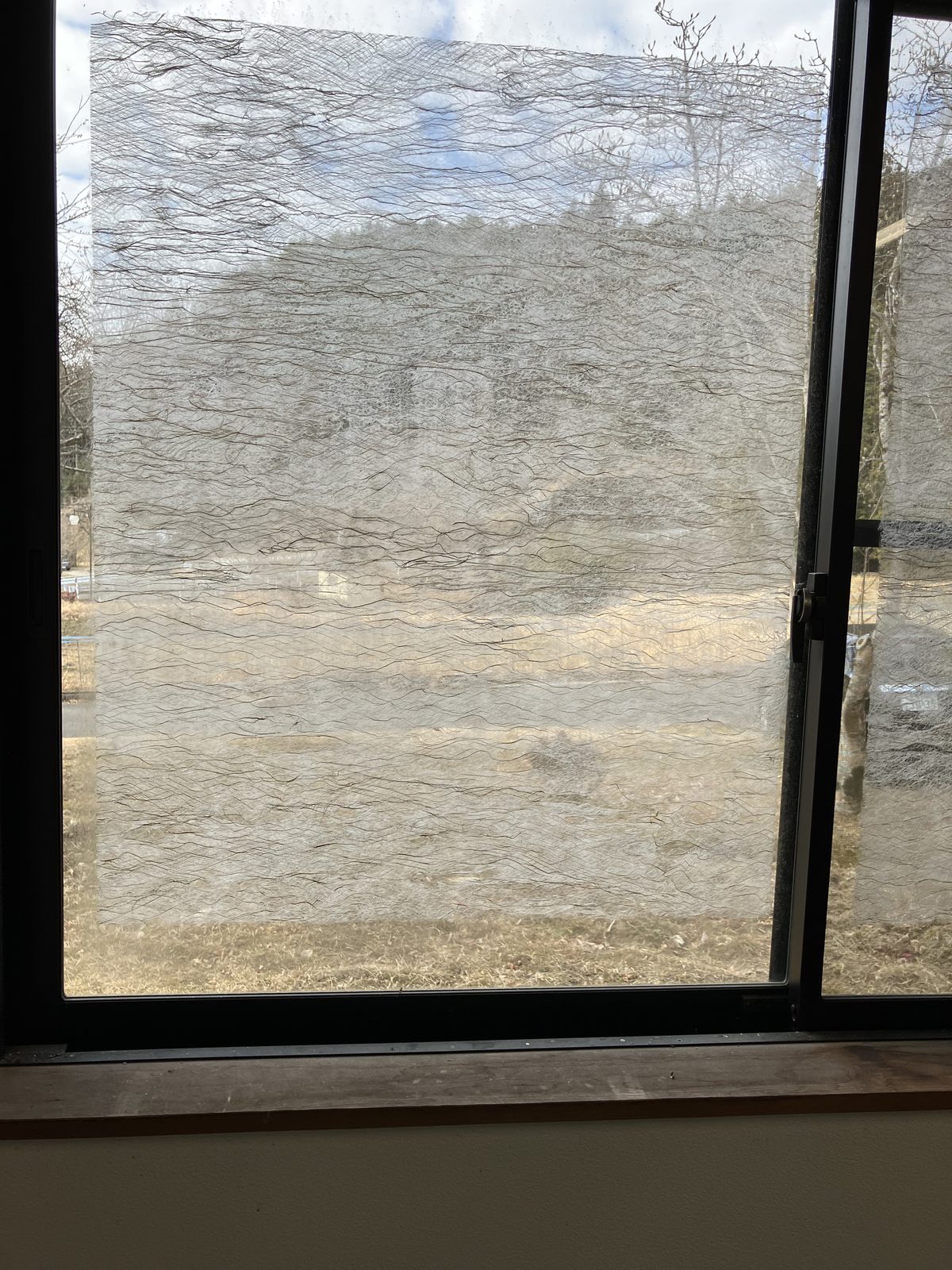
A large sheet of fibrous washi over a window, the hillside glowing through it.
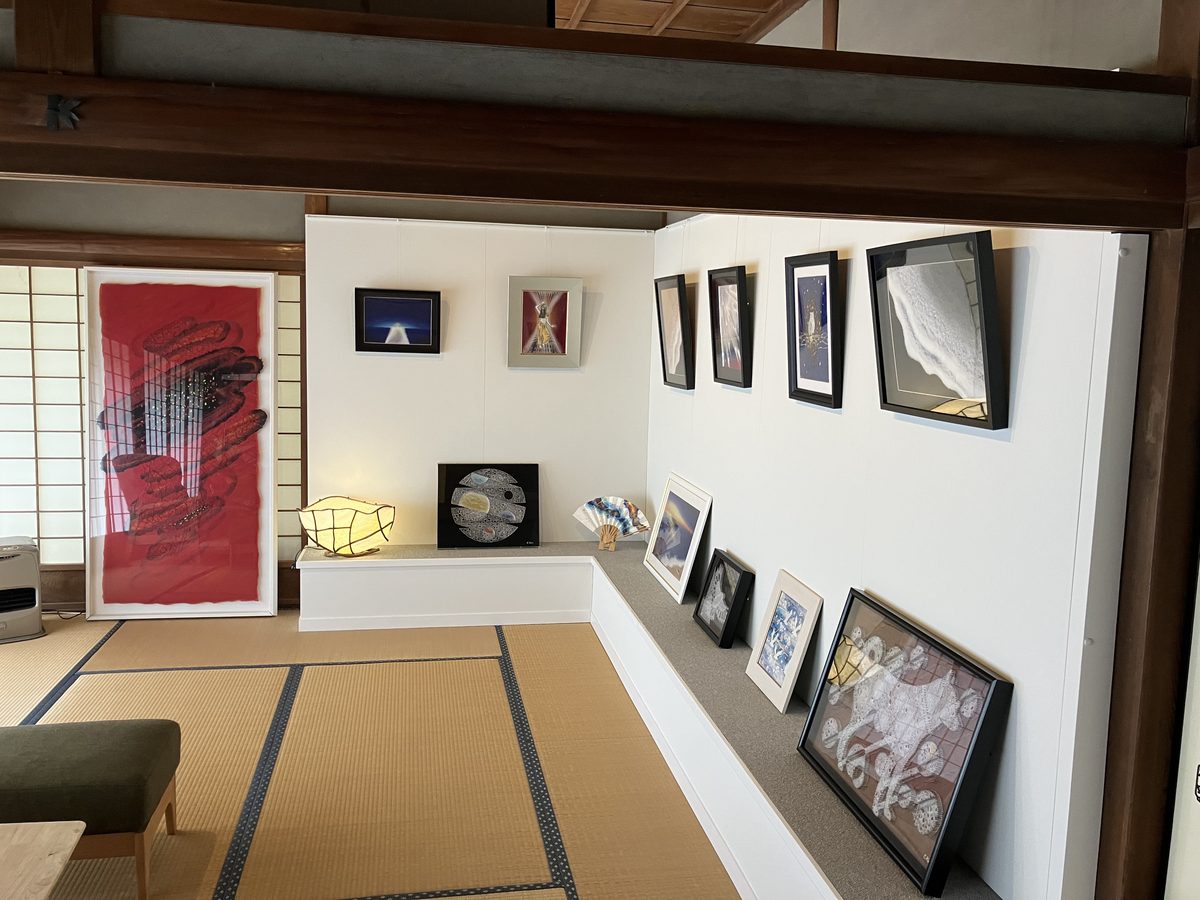
A tatami exhibition room hung with framed Obara washi artworks.
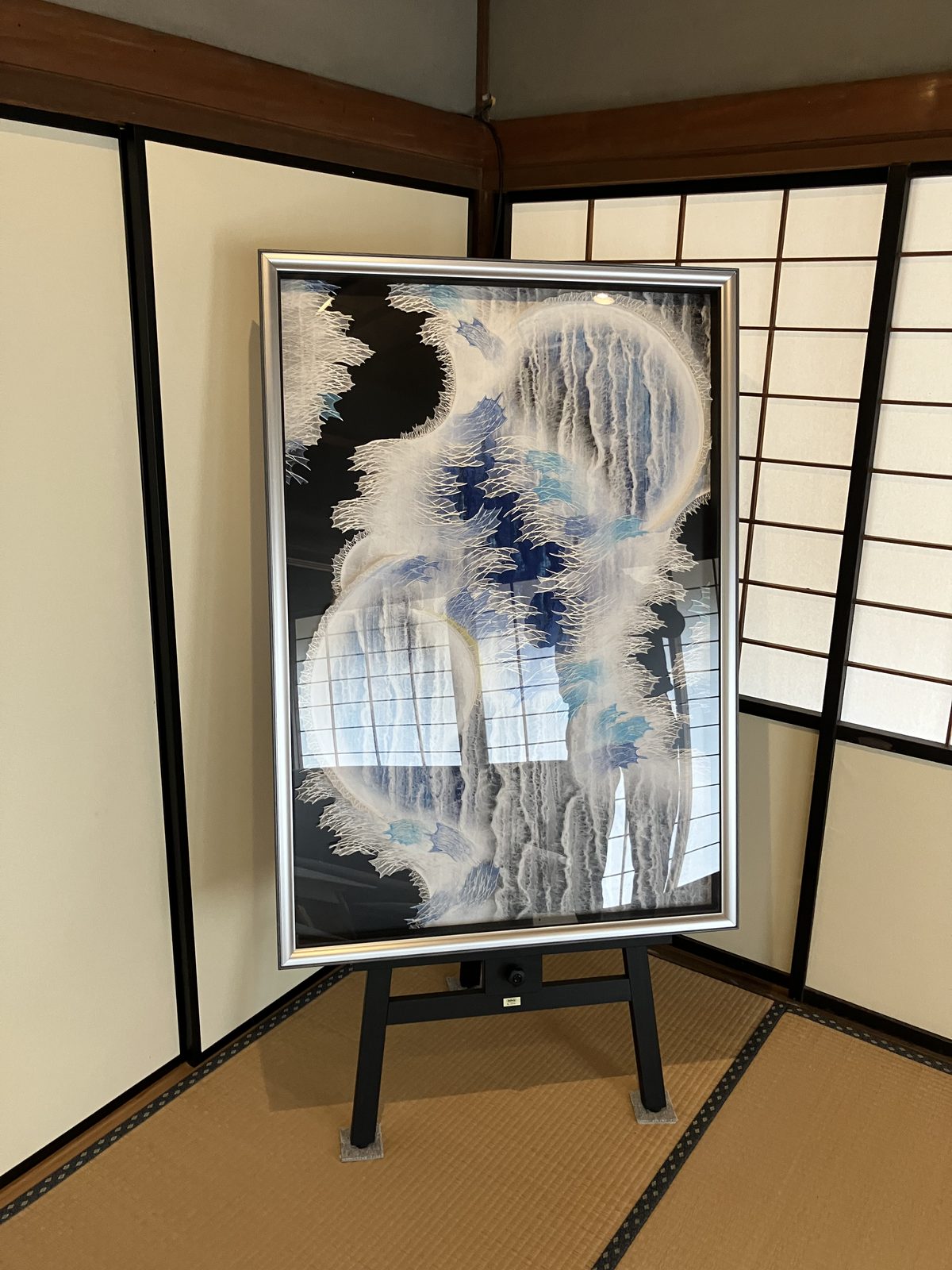
A framed washi artwork in soft blues and whites, displayed on an easel.
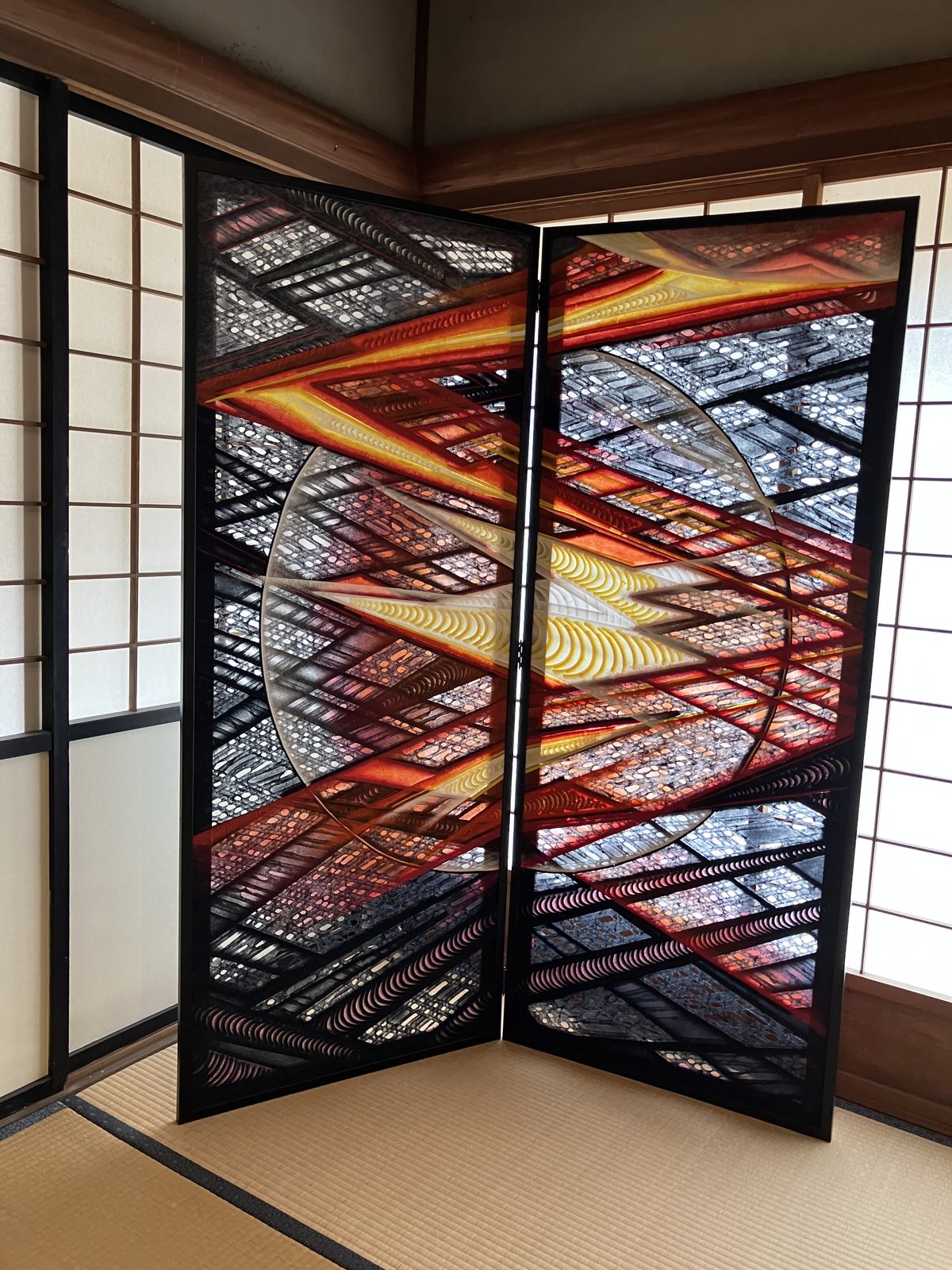
A two-panel folding screen of vivid red and silver washi art.
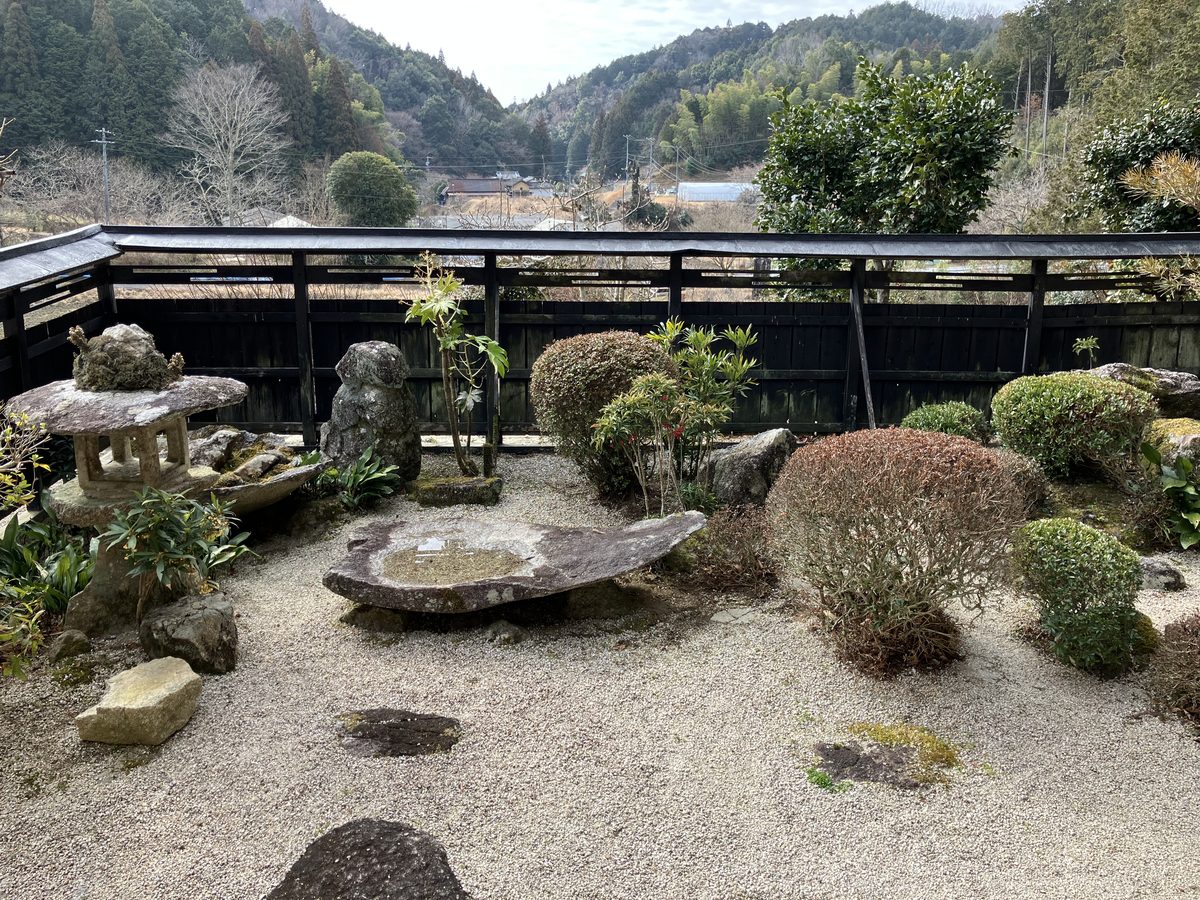
The atelier garden, with a stone lantern and clipped shrubs facing the hills.
The tiled-roof farmhouse on its stone embankment, backed by wooded hills.
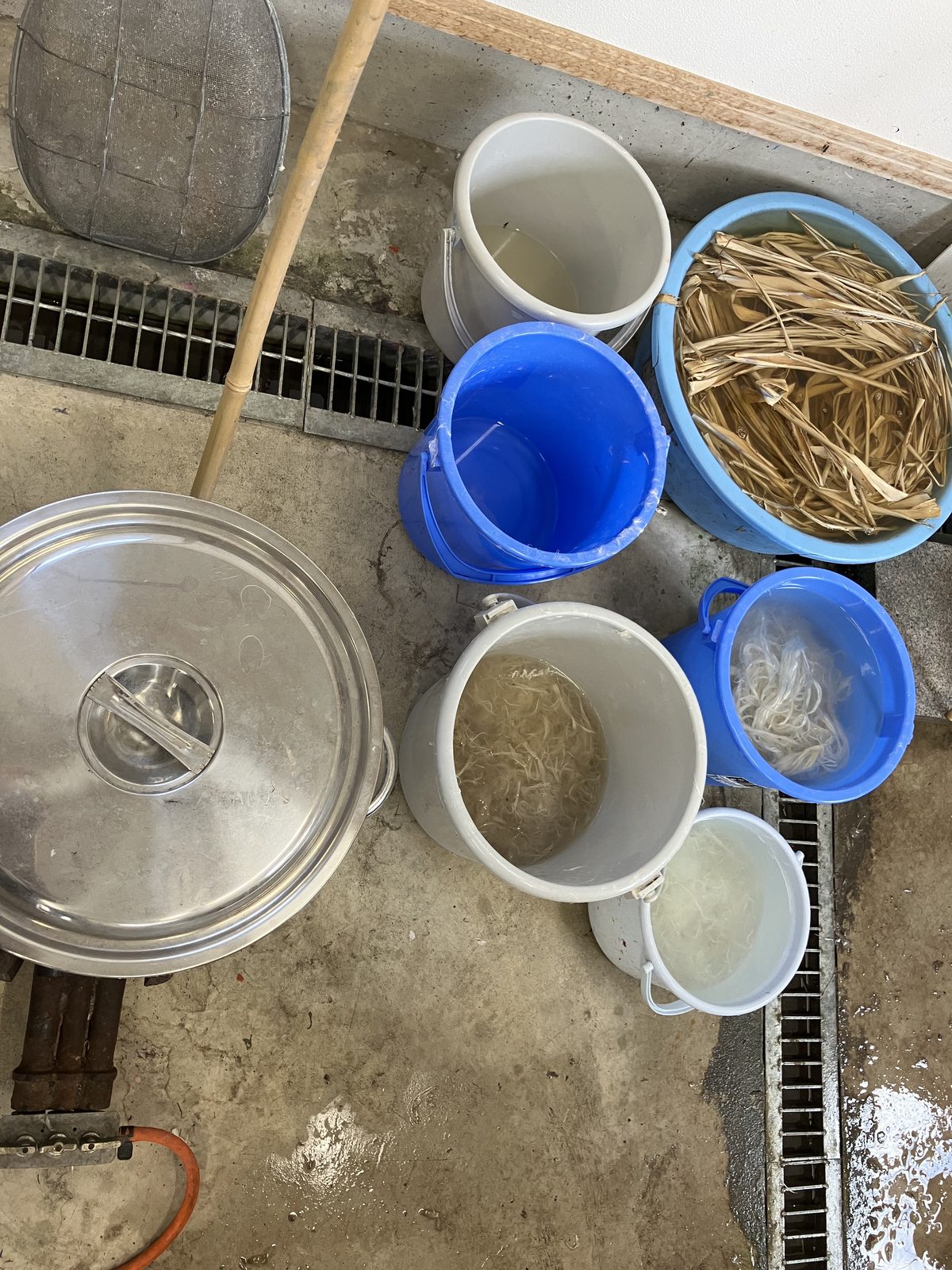
Buckets of kozo (paper-mulberry) bark soaking on the workshop floor.
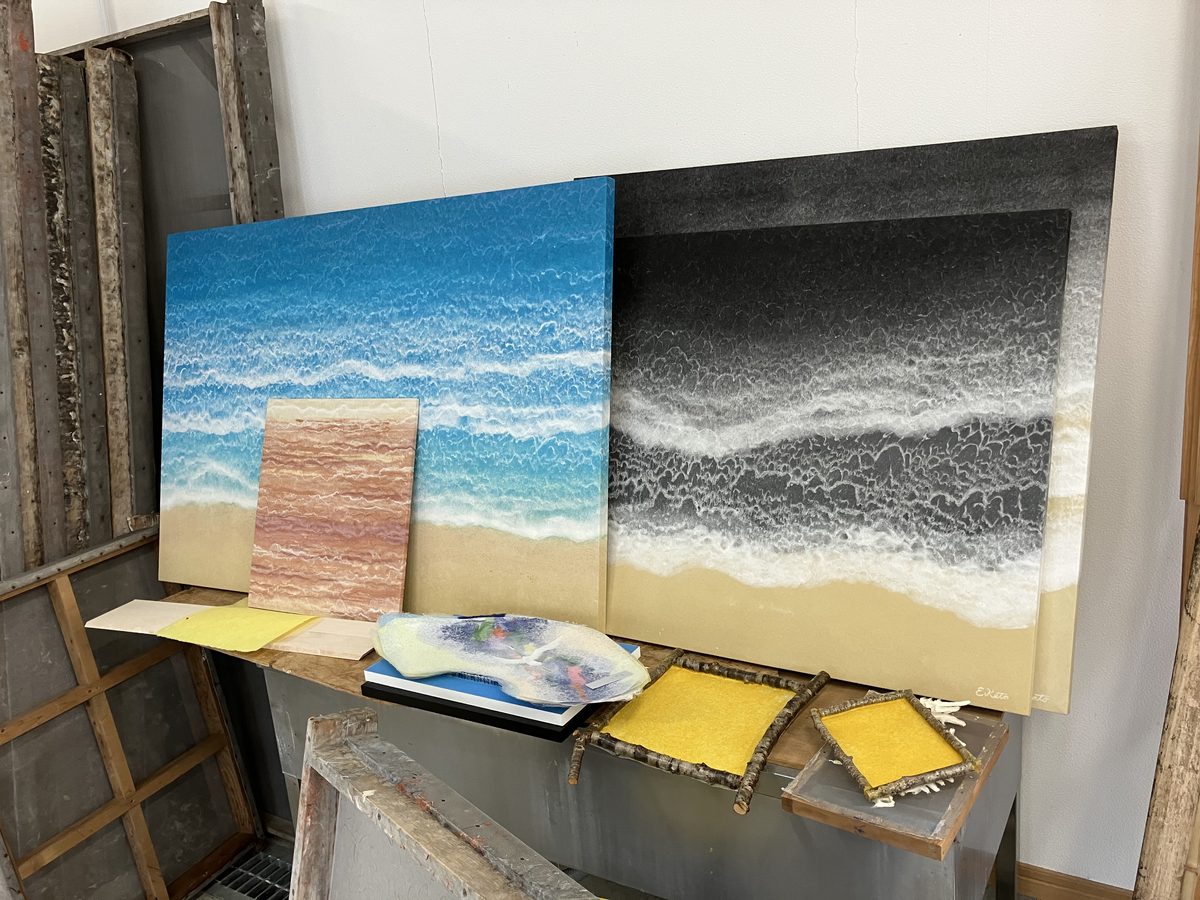
Finished wave-themed washi works beside small papermaking frames.
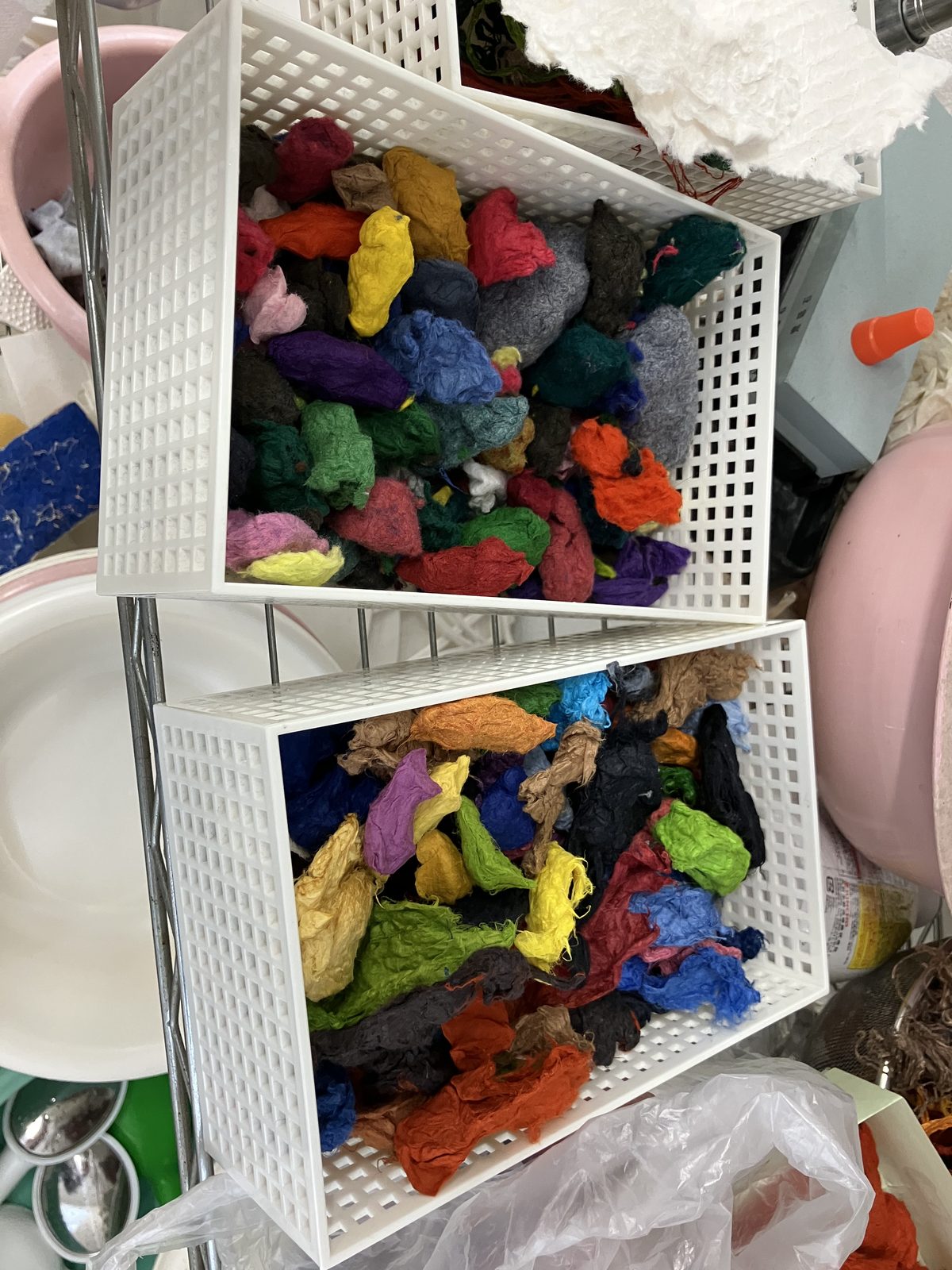
Baskets of brightly dyed washi pulp, ready to be worked into pictures.
亮點

亮點

Obara washi & washi art

Paper made by hand from kozo (paper-mulberry). In the 20th century, inspired by the artist Fujii Tatsukichi, local makers developed "washi art" (和紙工芸) — pictures created with dyed paper pulp. Framed works are on display to admire.

Papermaking experience

At the Washi no Furusato facility you can try making your own sheet of washi in the workshop — a hands-on souvenir to take home. Available year-round.

Autumn shiki-zakura with foliage

Thousands of rare shiki-zakura ("four-season cherry") bloom twice a year. Their autumn bloom (late October to early December) overlaps the maple colour, so in November you can rarely see cherry blossoms and red leaves together.

A historic farmhouse atelier

We can arrange a visit to a working atelier set in a historic farmhouse, around 300 years old, where you can see washi artworks up close in their original setting.

A quiet rural setting

Obara lies in the hills of northern Toyota, away from the crowds — a calm half-day in the countryside.

建議路線

建議路線

  1. 1

    Washi-art museum

    Begin with the framed washi artworks at the Washi no Furusato facility to understand the craft.

  2. 2

    Papermaking workshop

    Try making your own sheet of washi in the hands-on workshop.

  3. 3

    Shiki-zakura viewing

    In November, walk among the rare four-season cherry trees blooming alongside the autumn maples.

  4. 4

    Farmhouse atelier visit

    Visit a working atelier in a historic farmhouse to see washi artworks up close (arranged on request).

最佳造訪時節

最佳造訪時節

1月
2月
3月
4月
5月
6月
7月
8月
9月
10月
11月
12月

November is the special time, when the shiki-zakura bloom together with the autumn maples — a sight that is hard to find elsewhere. The papermaking experience is available year-round. Obara is rural, so a car or guided tour is recommended.

前往方式

  • NagoyaRoughly 60–75 minutes by car. Obara is rural, so a car or guided tour is recommended.
  • By guided tourWe can arrange door-to-door transport and a guide so you can enjoy the village without driving.
在 Google 地圖開啟

想去看看嗎?

聯絡我們

規劃你的造訪

想把這裡納入含交通、並有英語或越南語嚮導的一日行程嗎?告訴我們你的日期,我們會為你量身安排。

返回景點