Central Japan in high summer is hotter than you expect — here's how the locals keep cool
By Trip Japan YLP Editorial TeamPublished by Trip Japan YLP
In this article
Here's the thing nobody quite warns you about: in a Japanese summer, it isn't the number on the thermometer that gets you. It's the humidity. Step out of the airport in late July and the air doesn't so much greet you as wrap around you — warm, heavy, a little like a towel straight out of the wash.
We're based in Nagoya, which has a quiet reputation among Japanese cities for being one of the hot ones. Our August afternoons sit around 33°C, and on its worst day the city touched 40.3°C — that was the 3rd of August, 2018, and yes, we still remember it. So when guests land in summer picturing "warm and pleasant," we gently set them straight, then show them how everyone here actually copes. Because locals don't just grit their teeth and suffer. They have a whole bag of small tricks.
First, the timing
The rainy season (tsuyu) usually lifts around the 19th of July here in the Tokai region — and that's almost exactly when the real heat switches on. So July and August are the muggy months, August the stickiest of all. If your dates are flexible, the first half of June or the back end of September are noticeably gentler. If they're not, no worries — high summer is very doable. You just travel the way we do.
The small stuff that adds up
None of this is dramatic, and that's the point. Locals beat the heat in lots of tiny ways rather than one big one.
- A handheld fan — the little battery ones are everywhere now, and an old-fashioned paper uchiwa works too.
- Cooling body sheets (you'll see them in every konbini and drugstore as 冷感シート) and a small towel for your neck.
- Cold drinks on tap. A convenience store is never far, and a chilled bottle of tea or water pressed against your wrists is an instant reset.
- Shade as a strategy. Nagoya's covered shopping arcades, the big department stores, an aquarium or a museum — locals plan an air-conditioned "cool break" into the middle of the day on purpose.
And the simplest one: carry water and actually drink it, before you feel thirsty. Slow your pace. The heat rewards people who don't rush.
The one app worth knowing
Japan runs a national Heatstroke Alert (熱中症警戒アラート) every summer — for 2026 it's live from late April through the 21st of October. It's based on a heat-stress index called WBGT, which folds in humidity and sun, not just temperature, so it tells you how the day will actually feel. When the forecast index hits a high mark, an alert goes out the evening before and again that morning; on the most extreme days there's an even stronger "special" alert. You can check it in English-friendly map form at wbgt.env.go.jp. On a top-level alert day, locals don't cancel their trip — they just quietly shuffle the outdoor plans to morning or evening and put something indoors in the middle.
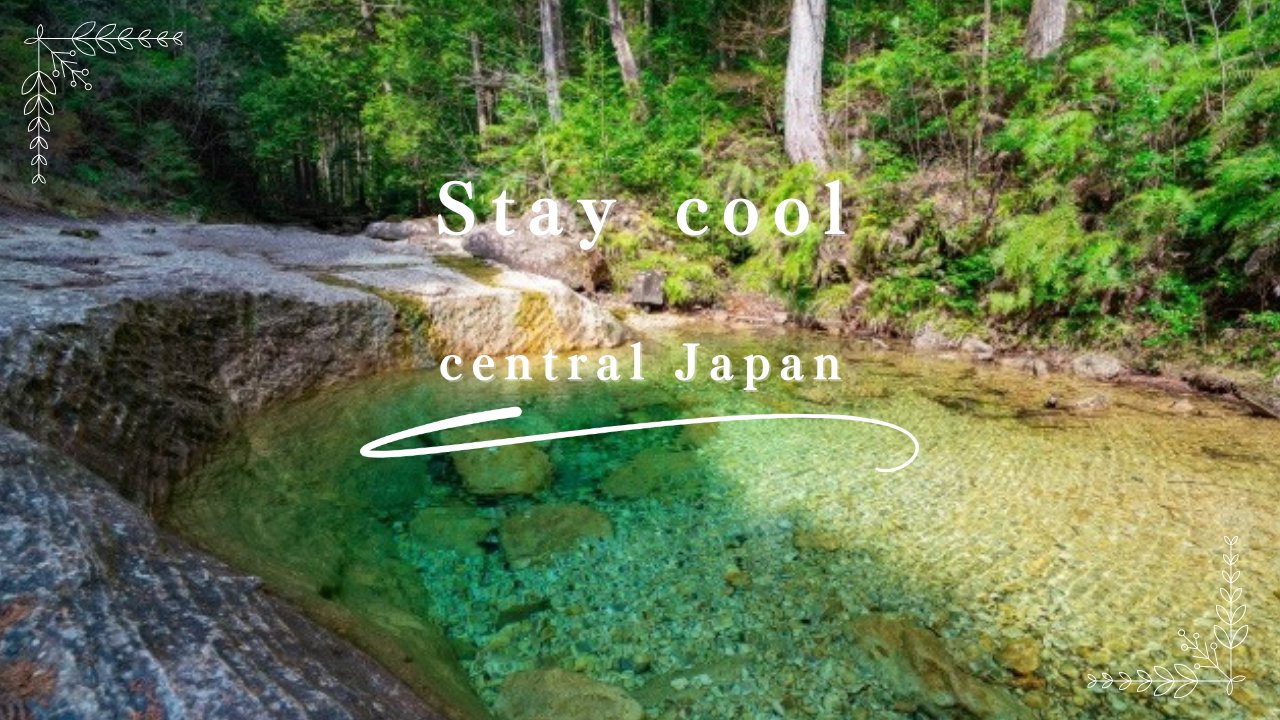
Honestly, once you stop fighting the heat and start working with it, a Japanese summer turns into one of the best times to be here: river gorges and shaded forests an hour from the city, festival lanterns after dark, a cold beer that has genuinely never tasted better. Come prepared, take it slow, and we'll happily plan a day that keeps you in the cool when it counts. See you out there — bring a fan.
Planning a trip around central Japan? See the small-group days we run from Nagoya.
Browse all toursDid you enjoy this story?