How the green tea in your cup got here: a short history of Japanese tea
By Trip Japan YLP Editorial TeamPublished by Trip Japan YLP
In this article
Pour a cup of green tea in Japan and you're holding something with a very long memory. I think about that sometimes — how ordinary the cup feels, and how far it travelled to become ordinary. So here's the short version of the history of Japanese tea, from the first seeds to the leaves in your pot today.
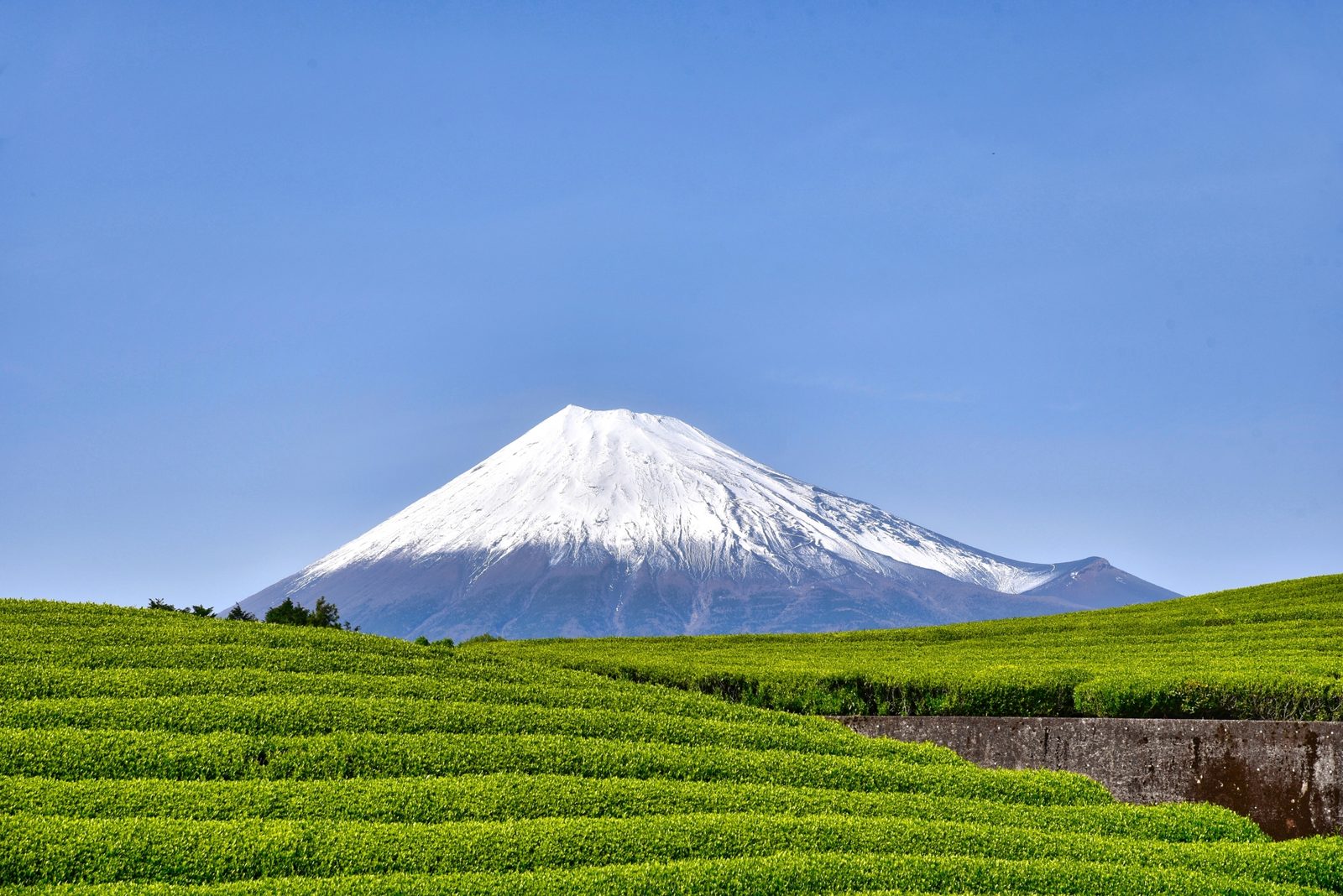
From Tang China, in a monk's luggage
Tea didn't start in Japan. It came over from China more than twelve hundred years ago, carried by Buddhist monks who had crossed the sea to study.
Two of them, Saichō and Kūkai, sailed to Tang China around the year 804 as part of a government mission. When Saichō came home in 805, he's said to have planted some of the tea seeds he brought back — one of the first times tea took root in Japanese soil. The earliest written mention is charming and specific: a court record notes that in 815, a monk named Eichū brewed tea for Emperor Saga. The emperor liked it enough to order tea grown in a few provinces.
And then, honestly, it mostly faded. For a couple of centuries tea stayed a rare thing, a drink for monks and nobles, not something an ordinary person would ever taste.
The monk who brought it back — and wrote it down
The revival came in the Kamakura period, and it has a name: Eisai, a Zen monk who studied in China and returned in 1191 with tea seeds. He planted them in Kyushu, and passed some to a fellow monk, Myōe, who set them growing in Uji, near Kyoto. Those hills around Uji are still famous for tea eight centuries later.
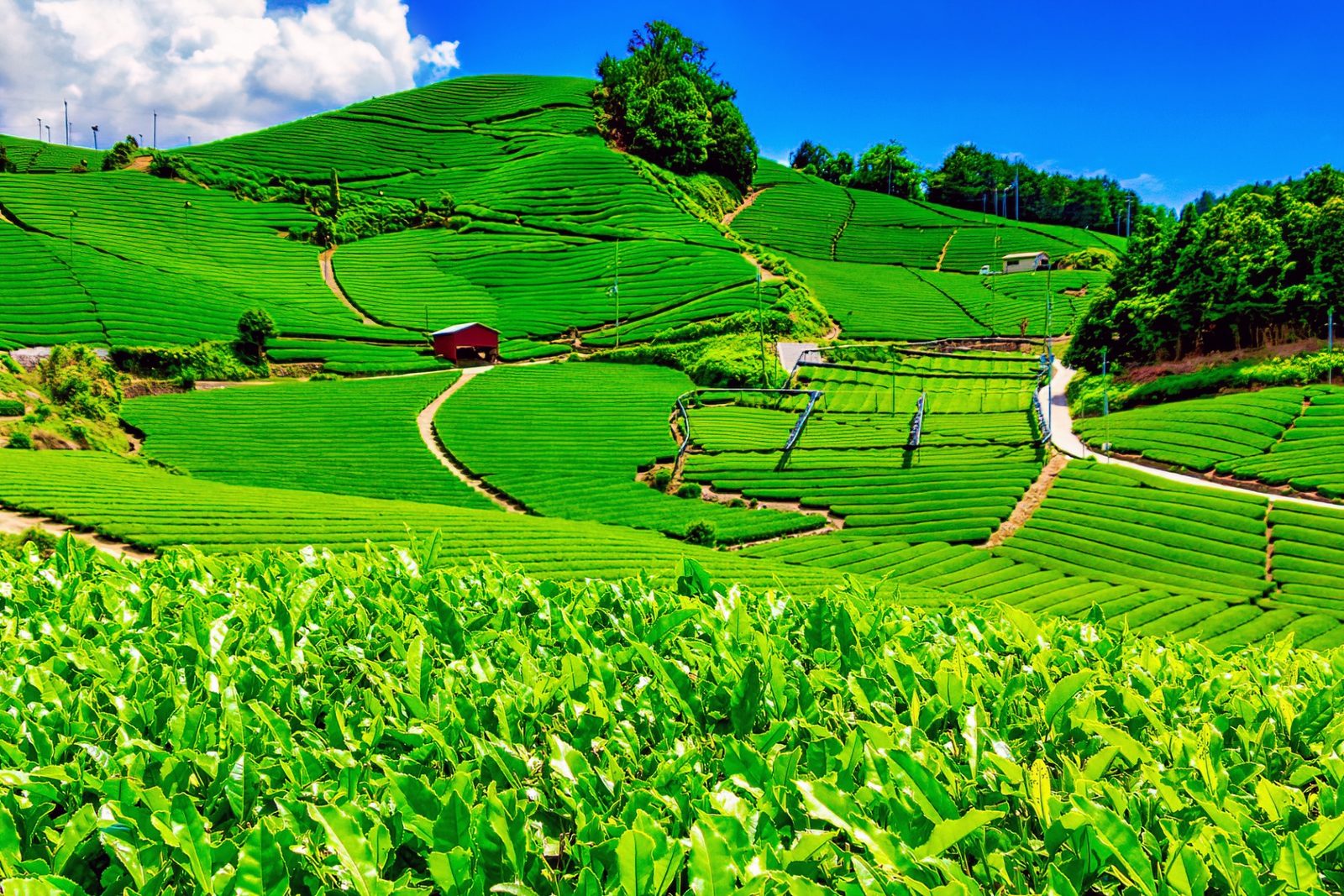
In 1211 Eisai wrote Kissa Yōjōki — roughly, "Drinking Tea for Health." It's the oldest tea book in Japan, and it treats tea almost as medicine, a thing that keeps the heart and body well. This was whisked powdered tea, the bright-green, frothy ancestor of the matcha you'd recognise today.
A warrior's quiet room
Jump to the 1500s, a violent, restless century of warring lords. Strange time for tea to become an art form, yet that's exactly what happened.
A merchant from the port town of Sakai named Sen no Rikyū (1522–1591) took the tea gathering and stripped it right back — a small room, plain walls, a single scroll, an unhurried set of movements. He called the spirit of it wabi: beauty found in simplicity and in things that aren't perfect. Warlords who could command armies would kneel in a tiny room and share a bowl of tea in silence. Rikyū's way of tea outlived him, carried on by the schools his descendants founded, and it still shapes how a formal bowl is served in Japan.
The farmer who made it everyday
For all that, most people still weren't drinking the clear green tea we mean now. That last piece came from a farmer.
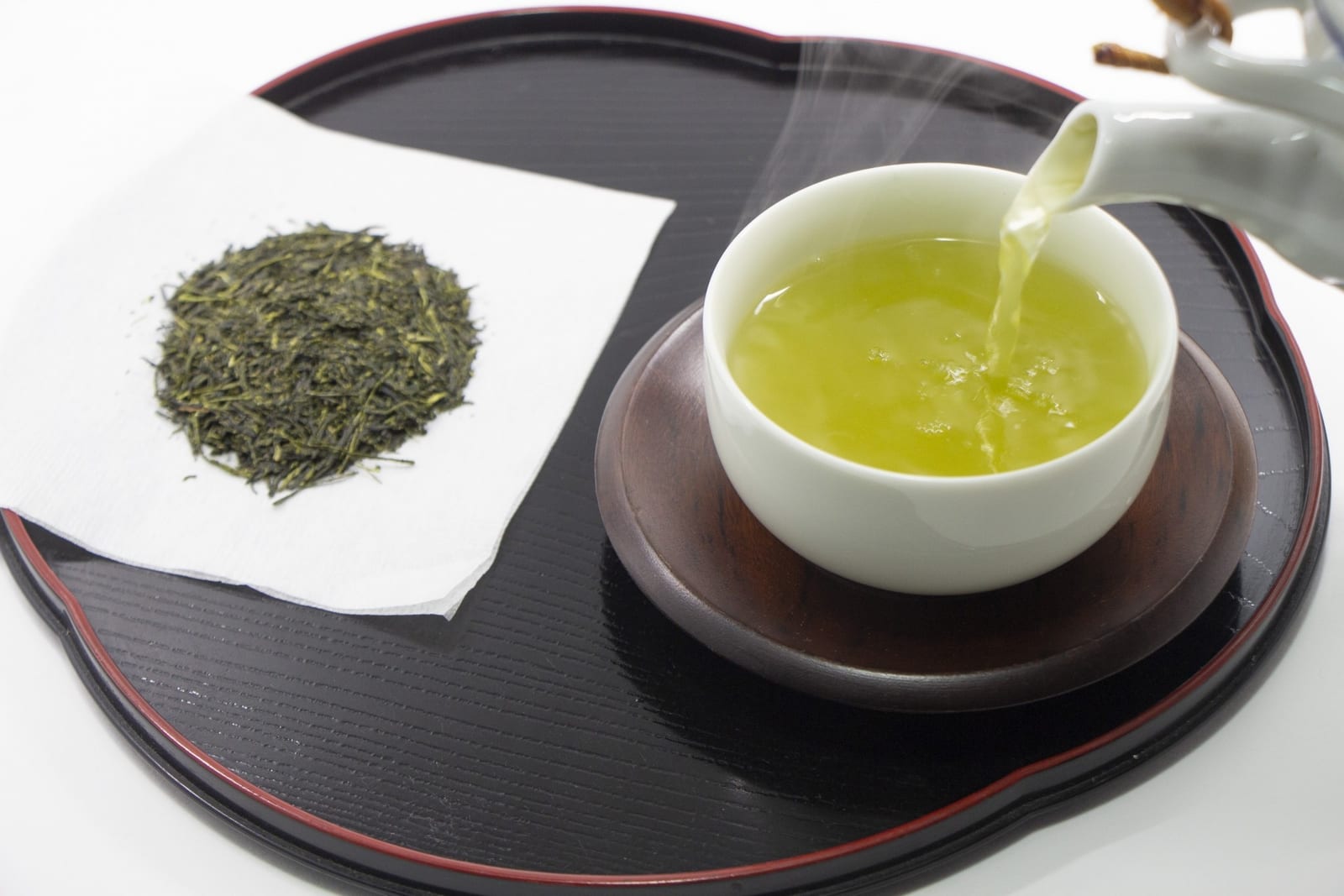
In 1738, in a village called Ujitawara, Nagatani Sōen worked out a new way to make tea: steam the fresh leaves, then roll them by hand over a heated table until they dried into thin dark needles. Steep those in hot water and you get a clean, sweet, green cup — sencha. His method spread across the country, and with it, green tea finally became a drink for everyone, not just temples and tea rooms. Nearly three hundred years on, it's still essentially how Japan's everyday tea is made.
So the next cup you pour has all of that folded into it — a monk's sea voyage, a book about health, a warrior's quiet room, a farmer's patient hands. Not bad for something you can buy warm from a vending machine. More on the tea itself soon.
Planning a trip around central Japan? See the small-group days we run from Nagoya.
Browse all toursDid you enjoy this story?