What is matcha, really? A plain-English guide to the green tea the world fell for
By Trip Japan YLP Editorial TeamPublished by Trip Japan YLP
In this article
Matcha is everywhere now. Lattes, cakes, ice cream, little tins sold out online. And yet most people happily drinking it have never quite been told what the green powder in the cup actually is. So here's the plain version, from a team that lives next door to one of Japan's great matcha towns.
Start with the one fact that explains almost everything: matcha is not brewed. It's eaten.
You drink the whole leaf
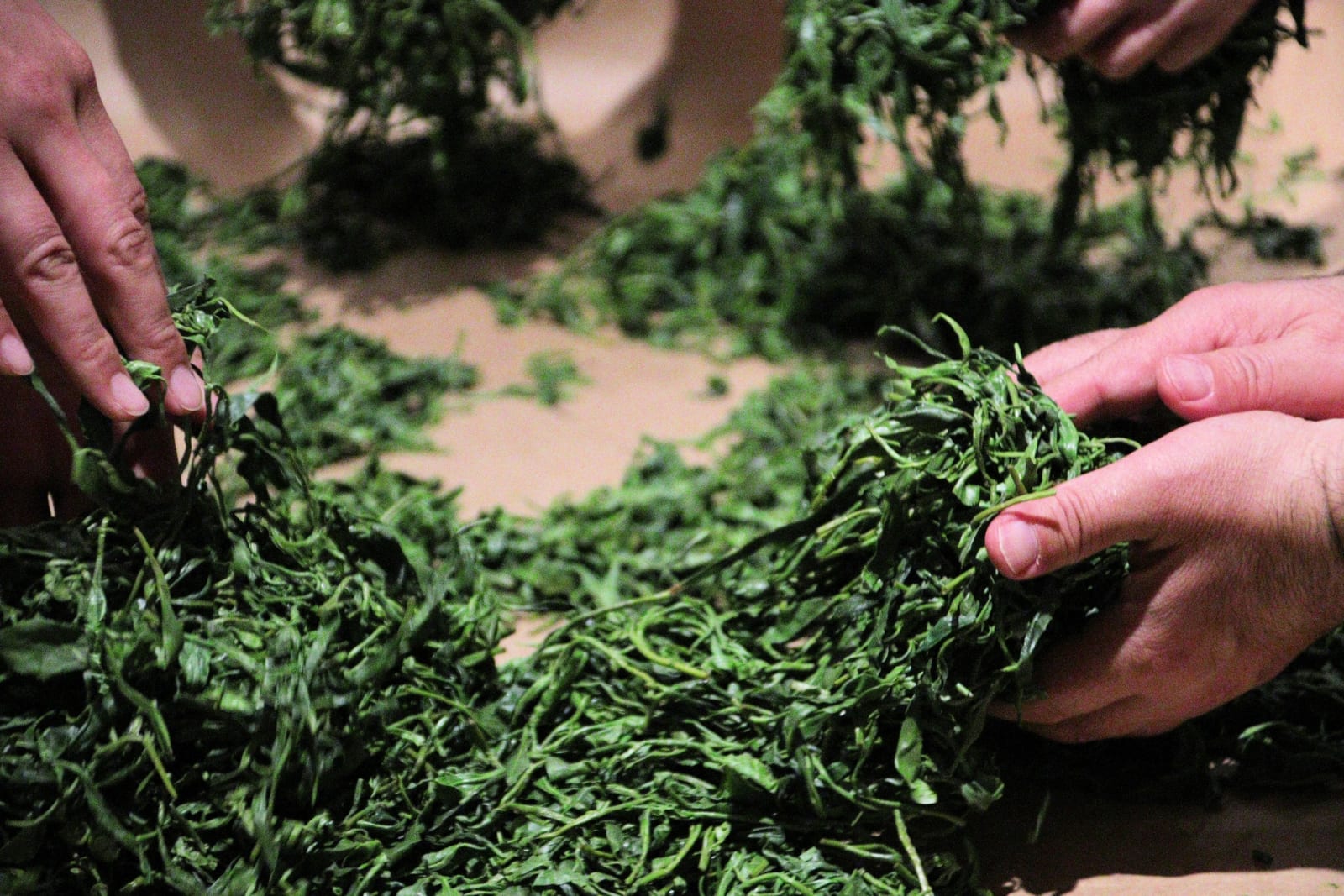
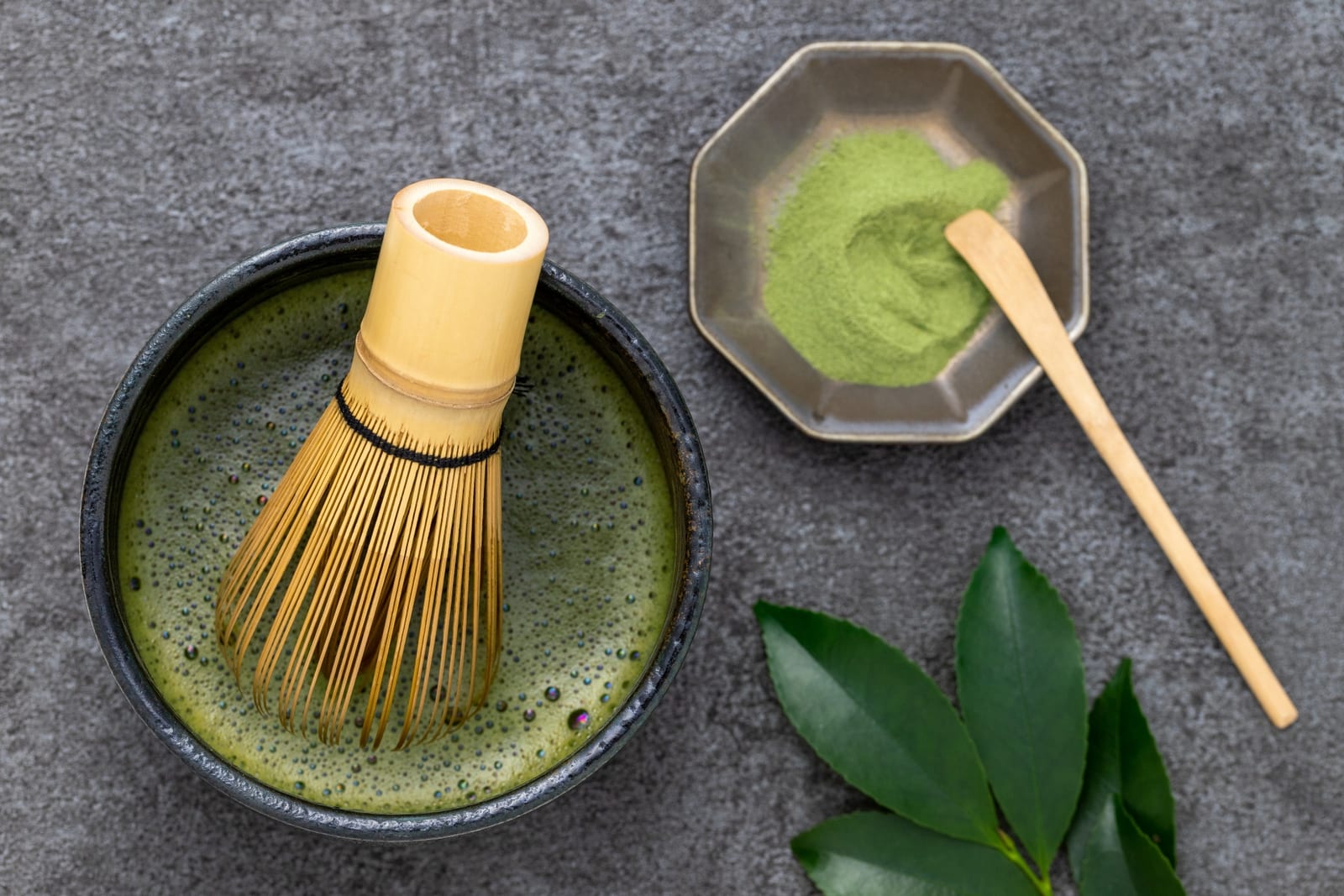
A normal cup of green tea is an infusion. You steep the leaves, pour off the liquid, and throw the leaves away. Matcha skips all of that. The leaves are dried, the stems and veins are stripped out, and what's left is stone-ground into a powder so fine it feels like flour. Then you whisk that powder straight into hot water and drink the lot.
That's why matcha is so intense, so vivid, and so different. You're not tasting water that passed through some leaves. You're drinking the leaf itself.
If you've read our note on how sencha and matcha end up so different, this is the other half of the story: not just how it's grown, but how it's served.
Why it's that green
The colour isn't a trick or a dye. It comes from shade.
For a few weeks before harvest, the tea bushes destined to become matcha are covered over, sometimes with straw or netting, so they grow in low light. The plant responds by packing itself with chlorophyll, which turns the leaves a deep, almost unreal green, and with an amino acid called theanine, which brings a soft, savoury sweetness. Less harsh sunlight also means less of the bitterness you get in ordinary green tea. Shade, basically, is what makes matcha taste like matcha. The technique goes back centuries around Uji, near Kyoto — you can read more in our tour of Japan's tea regions.
Ceremonial or culinary: which to buy
This is the part that saves you money and disappointment.
Ceremonial grade is made from the youngest, softest leaves, and it's meant to be whisked with nothing but hot water. It's smoother, sweeter, greener, and pricier. If you want to drink matcha straight, buy this.
Culinary grade is more robust, a little more bitter, and much cheaper. It's built to hold its own against milk, sugar and heat — so it's the right choice for lattes, baking and sweets. Using ceremonial grade in a cake is a waste; using culinary grade in a plain bowl is where "matcha tastes like grass" comes from. Match the grade to the job.
How to actually make a good bowl
You don't need much, and you don't need to do a tea ceremony. But two small things make or break it.
First, not boiling water. Pour your kettle off the boil and let it drop to somewhere around 70 to 80 degrees. Water straight off a rolling boil scorches the powder and turns it bitter — this is the single most common mistake.
Second, sift and whisk. Push a small amount of matcha, about half a teaspoon, through a little sieve so it doesn't clump. Add a splash of the cooled water, and whisk briskly with a bamboo whisk, a chasen, in a light "W" or "M" motion — not a slow stir. Fifteen seconds later you'll have a fine, jade-green froth on top. Top up with a bit more water and drink it while it's lively.
For a matcha latte, whisk the powder with a little hot water into a smooth paste first, then pour in warm milk. Skip that step and you'll be fishing green lumps out of the bottom forever.
Where it comes from, and why we're a little biased
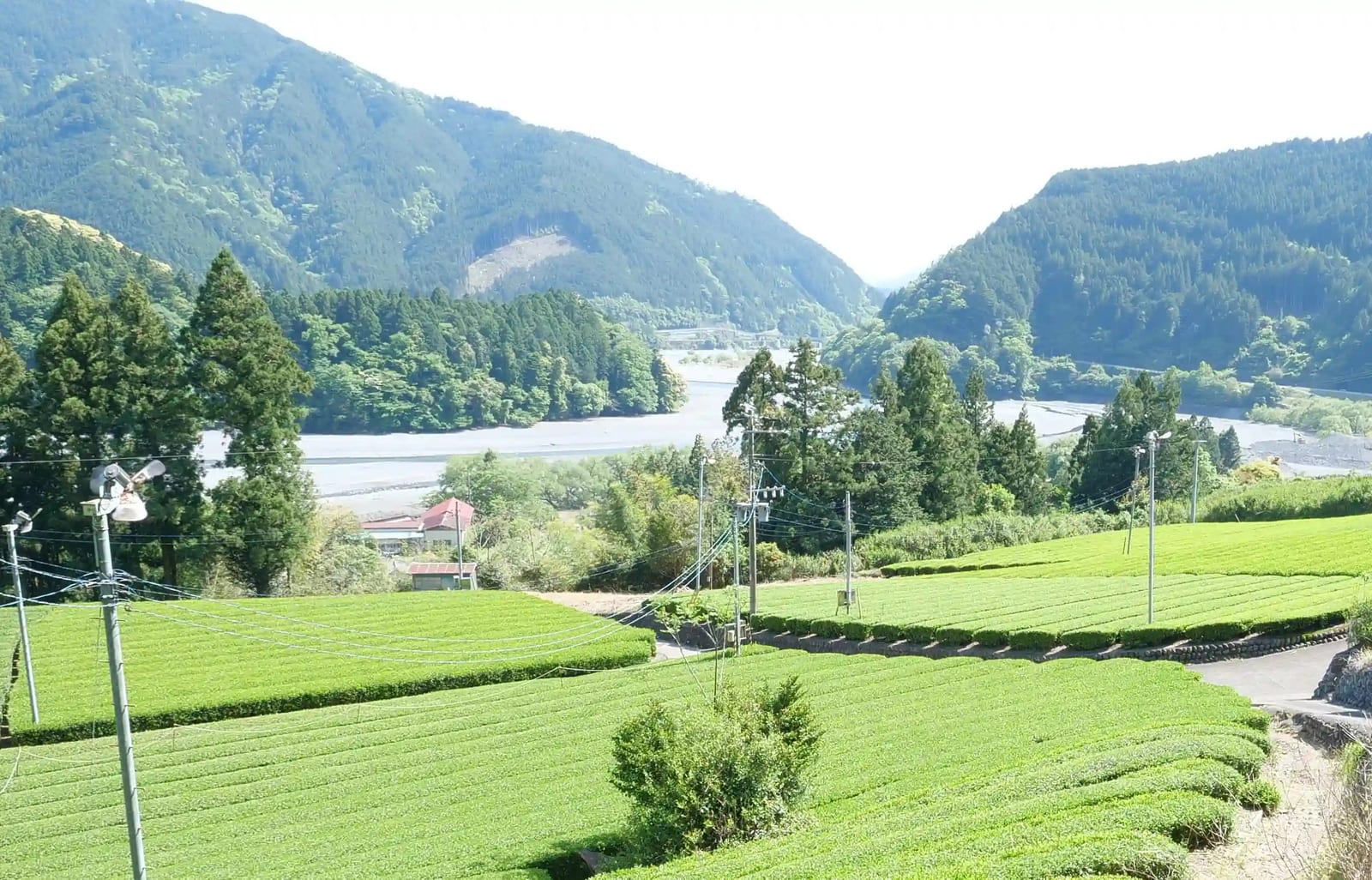
Uji, just south of Kyoto, is the historic home of the fancy stuff. But you don't have to go to Kyoto. Right here in Aichi, the town of Nishio is one of Japan's great matcha producers, quietly turning out a big share of the powder that ends up in everyday lattes and sweets. A lot of the tea country of central Japan — the misty mountain gardens of Shizuoka's Kawane valley included — is a short trip from Nagoya rather than a pilgrimage.
That's the thing we'd gently leave you with. Matcha is easy to buy anywhere in the world now, and that's lovely. But it grows on real hillsides tended by real families, and a bowl whisked where the leaf was grown is a different experience entirely. If your travels bring you through central Japan, it's worth tasting it at the source.
Until then: off the boil, sift it, whisk it like you mean it. That alone will put you ahead of most of the cafés. See you out there, bowl in hand.
Planning a trip around central Japan? See the small-group days we run from Nagoya.
Browse all toursDid you enjoy this story?