
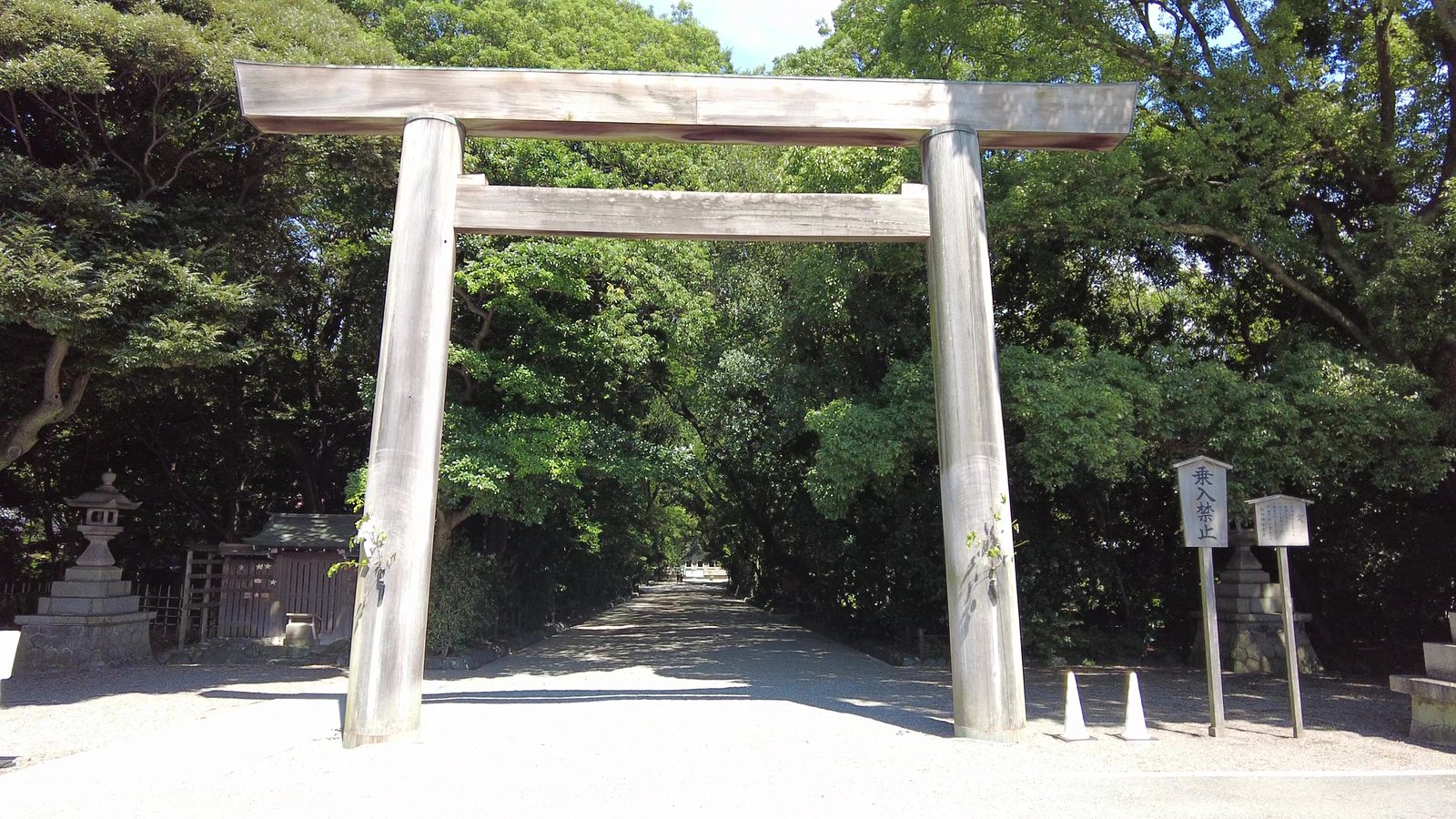
Atsuta Jingu (Atsuta Shrine)
One of Japan's most important and ancient shrines, said to enshrine the sacred sword Kusanagi — a 1,900-year-old sanctuary set in a forest of giant camphor trees, right in the heart of Nagoya.
Plan your visitA short ride from central Nagoya, Atsuta Jingu is one of the most revered shrines in all of Japan — and one of the most peaceful places you can visit in the city. Pass through the torii gate and the traffic falls away behind a forest of giant trees, some of them over a thousand years old. Founded around 1,900 years ago, the shrine has been a place of worship since Japan's earliest recorded history.
A shrine built around a sacred sword
What makes Atsuta extraordinary is what it is said to enshrine: Kusanagi-no-Tsurugi, the sacred sword that is one of Japan's Three Sacred Treasures — the Imperial Regalia handed down through the Imperial line. Because of this, Atsuta has long been considered second in importance only to the Grand Shrine of Ise in Mie. The sword itself is never shown to the public; what visitors come for is the sense of standing in one of the country's oldest and most sacred places.
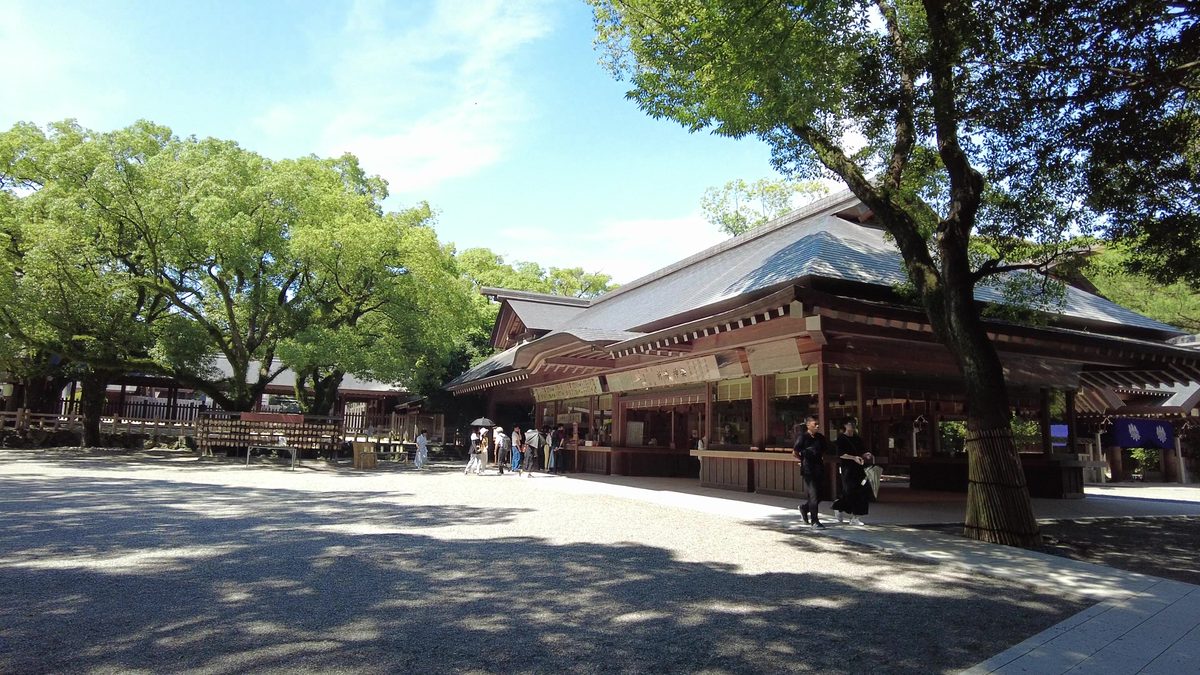
A forest in the middle of the city
The grounds cover a wide sweep of woodland in the heart of Nagoya. The most famous of its trees is the Great Camphor (ōkusu), said to be more than a thousand years old and, by tradition, planted by the monk Kūkai (Kōbō Daishi). Nearby stands Nobunaga's Wall (Nobunaga-bei), donated by the warlord Oda Nobunaga in gratitude for his victory at the Battle of Okehazama in 1560 — counted among the three great walls of Japan.
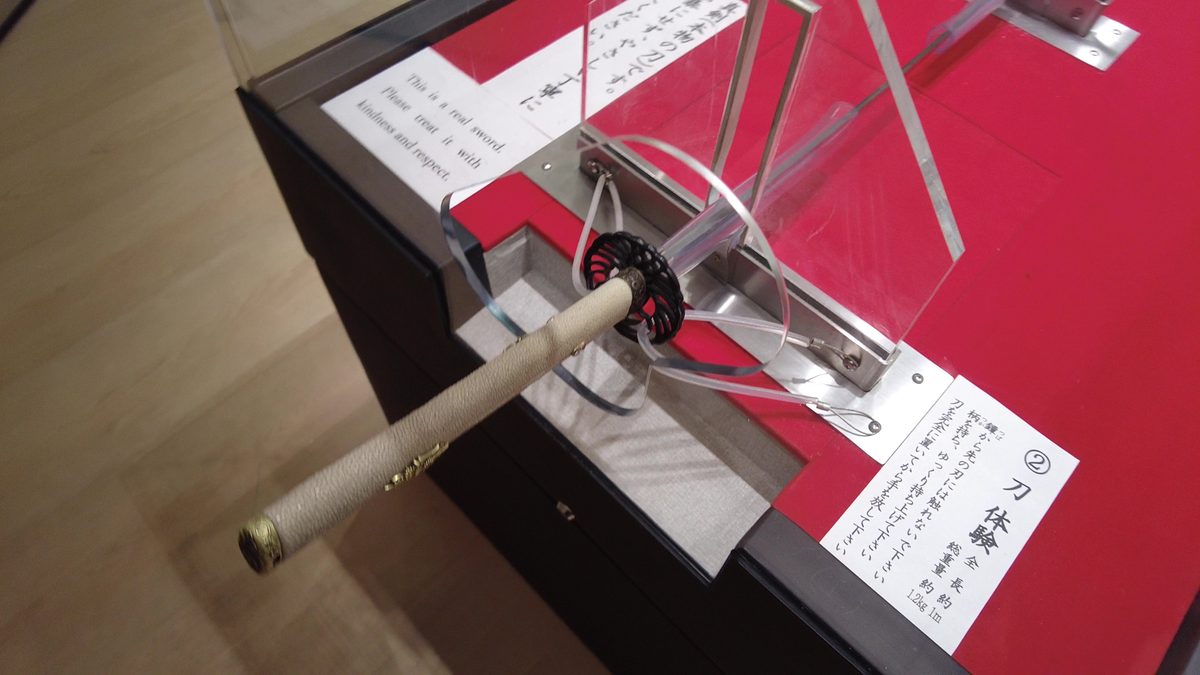
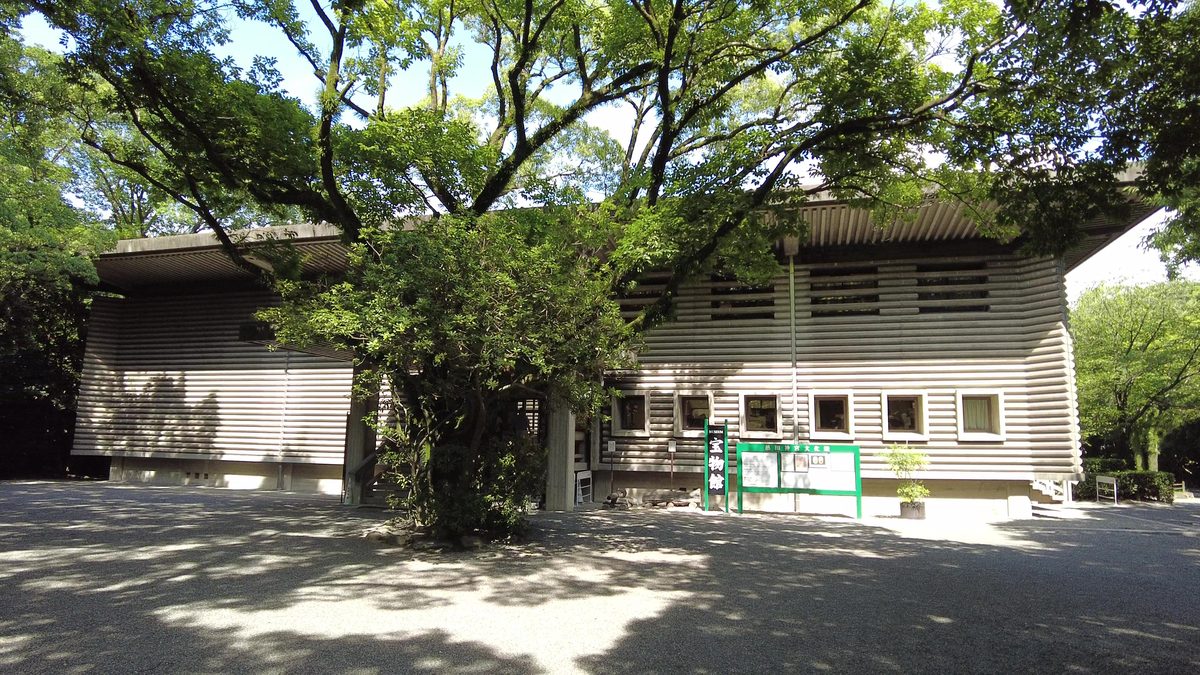
For those who want to go deeper, the Treasure Hall (Bunkaden) holds around 6,000 artifacts, including a celebrated collection of swords, along with mirrors, masks and Imperial offerings.
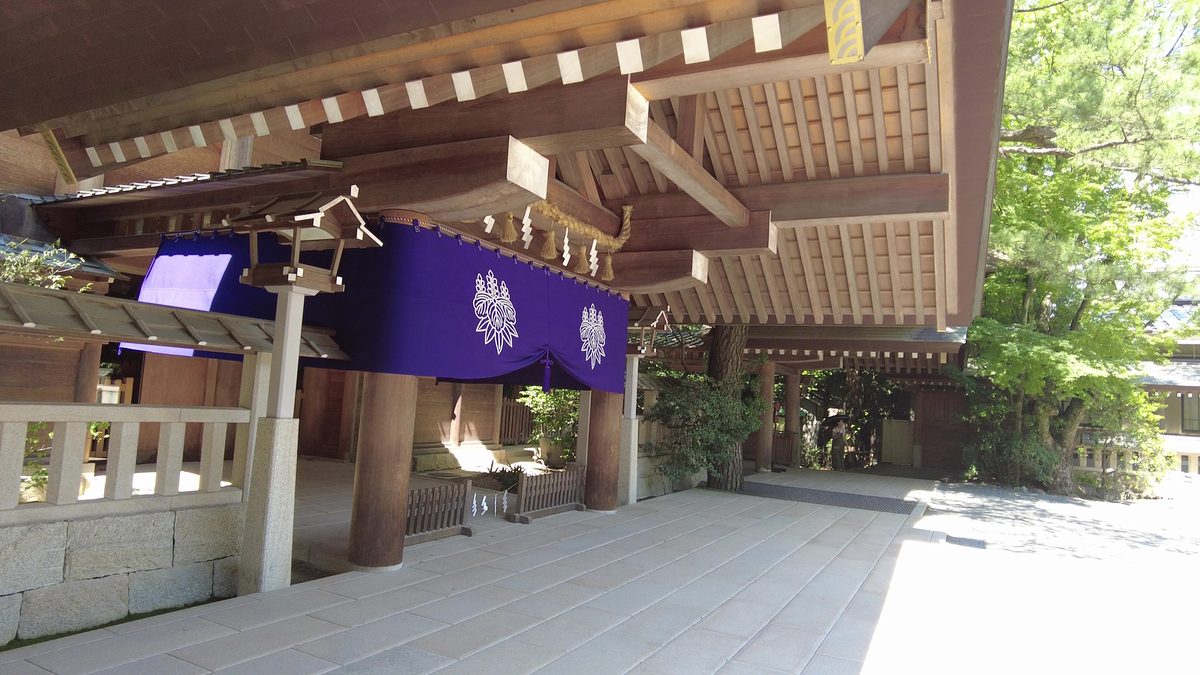
A living place of worship
Atsuta is not a museum — it is a working shrine where roughly 70 festivals and rituals take place every year. The grandest is the Atsuta Festival (Atsuta Matsuri) in early June, with martial-arts dedications and lantern-lit evenings. At New Year, more than two million people come to pray in the first days of January.
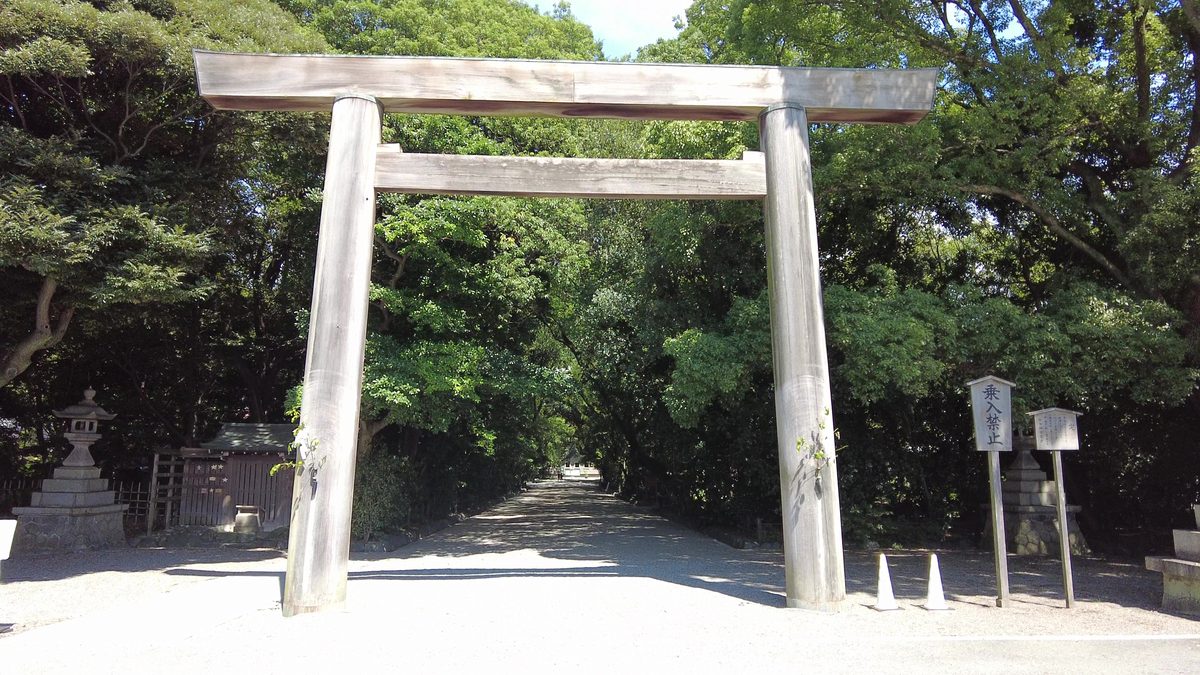
When you visit, remember a few simple courtesies: bow once at the torii, keep to the sides of the path (the centre is reserved for the gods), and purify your hands and mouth at the water pavilion before approaching the main hall.
A taste of Atsuta
The Atsuta district is the home of hitsumabushi — grilled eel served over rice and eaten three ways — and several long-established restaurants sit close to the shrine. It's the perfect way to round off a visit.
We can include Atsuta Jingu in a guided day around Nagoya, paired with Nagoya Castle and the Nagoya Port Aquarium, with transport and an English- or Vietnamese-speaking guide. Tell us your dates and we'll plan it around you.
In pictures
Highlights
The sacred sword Kusanagi
Atsuta is said to enshrine Kusanagi-no-Tsurugi, one of the Three Sacred Treasures (the Imperial Regalia) — a status that places it second in importance only to the Grand Shrine of Ise.
The Great Camphor Tree
A giant camphor (ōkusu) near the main approach is said to be over 1,000 years old and, by legend, planted by the monk Kūkai (Kōbō Daishi). It is one of several towering sacred trees on the grounds.
Nobunaga's Wall (Nobunaga-bei)
A historic mud-and-tile wall donated by warlord Oda Nobunaga in thanks for his victory at the Battle of Okehazama (1560). It is counted among the three great walls of Japan.
The Treasure Hall (Bunkaden)
A museum holding roughly 6,000 items — swords, mirrors, masks, documents and Imperial offerings — with rotating displays of the shrine's renowned blade collection.
Festivals all year round
Around 70 festivals and rituals are held annually. The grandest is the Atsuta Festival (Atsuta Matsuri) in early June, with martial-arts dedications and evening lanterns.
A suggested route
- 1
Main approach & First Torii
Enter from the southern approach and pass beneath the great torii, leaving the city behind among towering trees.
- 2
Purification (temizu)
Rinse your hands and mouth at the water pavilion before approaching the deities.
- 3
Main Sanctuary (Hongū)
Pay your respects at the main hall, built in the dignified Shinmei style shared with Ise.
- 4
Great Camphor & Nobunaga's Wall
Seek out the thousand-year-old camphor tree and the historic wall donated by Oda Nobunaga.
- 5
Treasure Hall (Bunkaden)
Step inside to see swords and sacred artifacts from the shrine's vast collection.
- 6
Kusanagi-kan & a bowl of hitsumabushi
Finish at the grounds' rest areas, then head just outside for Atsuta's famous grilled-eel hitsumabushi.
Best time to visit
Lovely and calm year-round, with cherry blossoms in early April and vivid foliage in November. Visit early morning for stillness. New Year's hatsumode draws over two million worshippers — atmospheric, but extremely crowded.
Getting there
- Meitetsu Jingū-mae StationAbout a 3-minute walk — the closest and easiest access.
- JR Atsuta StationAbout an 8-minute walk.
- Nagoya Station~7 min by Meitetsu Line to Jingū-mae, then a short walk.
- Chubu Centrair Airport~30–40 min by Meitetsu Line (toward Nagoya), changing for Jingū-mae.
Would you like to visit?
Plan your visit
Want to include this in a guided day with transport and an English- or Vietnamese-speaking guide? Tell us your dates and we’ll build it around you.