
Nagara River Cormorant Fishing (Ukai)
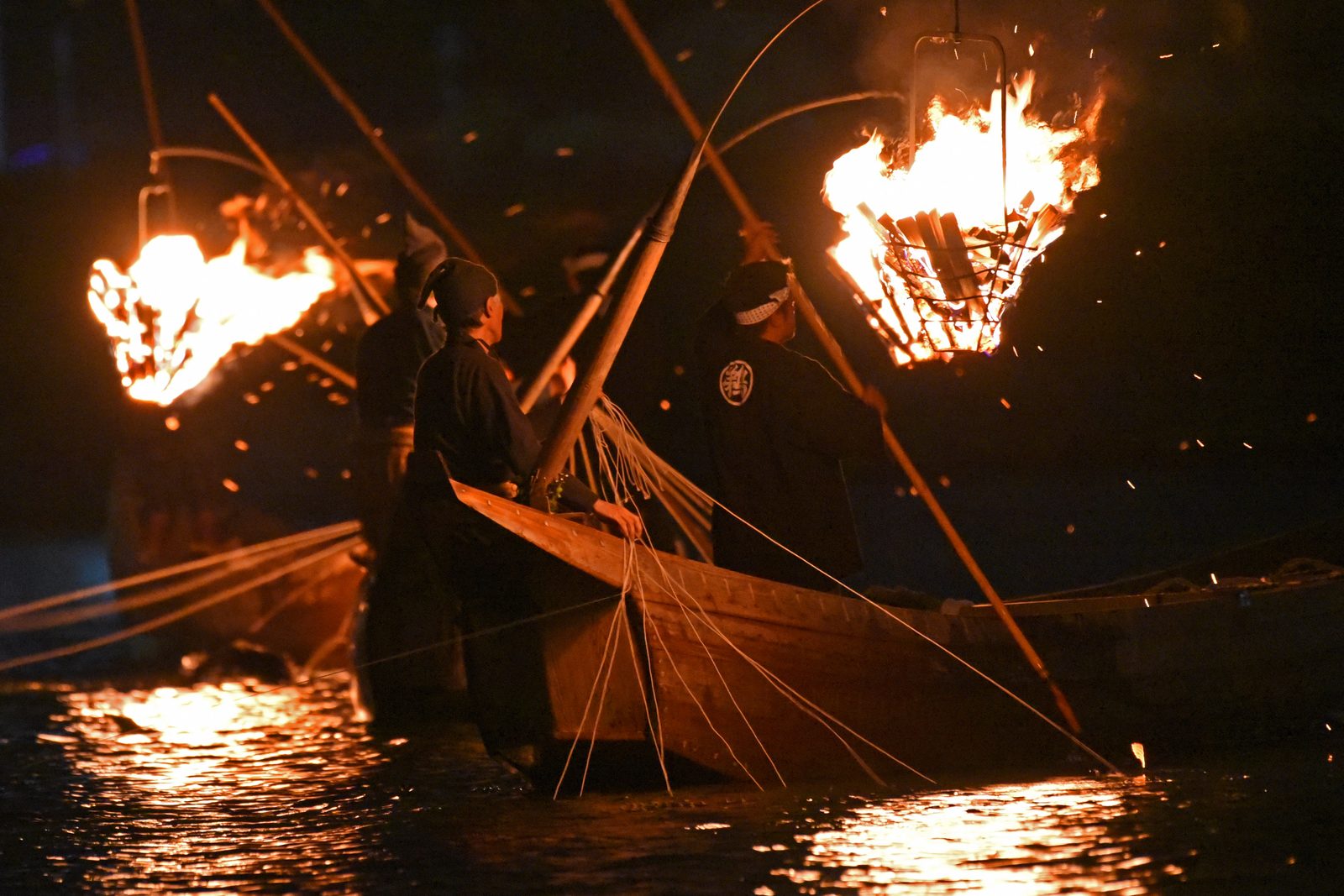
For around 1,300 years, master fishermen have worked trained cormorants by firelight on the Nagara River in Gifu to catch ayu. From mid-May to mid-October, viewing boats drift alongside the ushō on summer nights, below Mt. Kinka and a floodlit Gifu Castle.
Plan your visitOn summer nights in Gifu, the Nagara River fills with firelight. Wooden boats drift downstream below Mt. Kinka, iron baskets of burning pine hanging over their bows, and in the glow the ushō — the cormorant masters — work their birds on the water. This is ukai, cormorant fishing, and it has been carried out on this river for around 1,300 years.
A living tradition, not a show
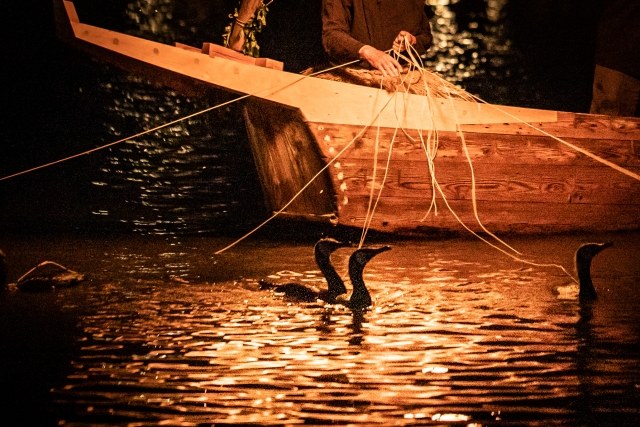
Ukai is a way of catching ayu, the sweetfish of the clear summer river, using trained cormorants instead of nets or lines. The master stands at the bow in dark robes and a kazaori-eboshi headdress, with a straw skirt against the spray, handling as many as a dozen sea cormorants at once on long cords and reading each bird by feel in the firelight. A loose snare at the throat lets a bird catch the ayu but not swallow the larger ones. What looks like beautiful chaos is decades of practice.
This is not a performance staged for tourists. Six masters on the Nagara River hold the title of Kunaichō Shikibushoku Ushō, which makes them appointees of the Imperial Household Agency; the fish from the imperial cormorant fishing are still offered to the Household, and the fishing itself is a National Important Intangible Folk Cultural Property.
The boats, the fire and the finale
Viewing boats push off from the south side of Nagarabashi Bridge in the early evening. Passengers eat and wait as the light fades — the slow build-up in the dark is half the magic. When the cormorant boats finally appear, the river turns to firelight and motion: the ushō calling to their birds, the boatmen tapping the hulls to startle the ayu. The calls and the rhythmic knocking are counted among Japan's 100 Soundscapes. The night ends with the sōgarami, when all six cormorant boats line up abreast across the river and drive the fish into the shallows together.
Below Mt. Kinka and Gifu Castle
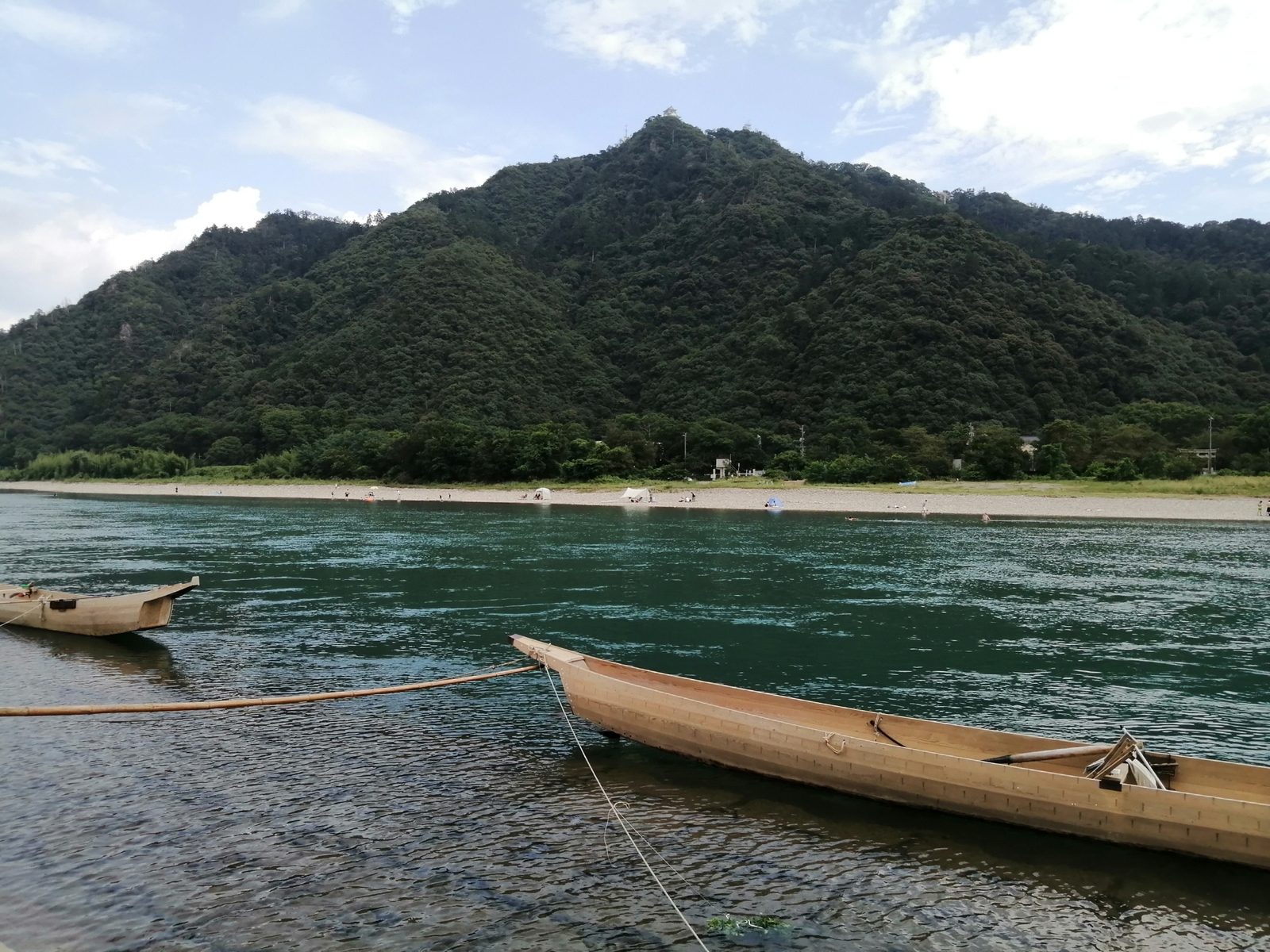
The river runs at the foot of Mt. Kinka, crowned by Gifu Castle — the mountain stronghold once held by Oda Nobunaga, floodlit above the water at night. By day the Kinkazan Ropeway climbs to the keep for a wide view over the city and the river. Close to the boarding area, the Nagaragawa Ukai Museum tells the story of the craft with a full-size cormorant boat and a scrolling screen, and keeps the tradition alive in the off-season too.
Good to know
The season runs May 11 to October 15, with fishing almost every night apart from one autumn rest night and any evening the river is too high, so it is worth confirming officially before you set out. Boats run rain or shine in light weather but are cancelled in high water. Evenings on the river can be cool even in summer, so a light layer helps, and the popular nights of midsummer and Obon fill early — reserve ahead. For a first-hand account of an evening on the water, see our blog post on Gifu's Nagara River cormorant fishing. For another of Gifu's summer-night traditions, the river town of Gujō Hachiman holds its famous all-night Bon dancing through the warm months.
In pictures
Highlights
A 1,300-year-old way of fishing
For about thirteen centuries, fishermen on the Nagara River have caught ayu (sweetfish) with trained cormorants rather than nets or lines — a living tradition, not a spectacle invented for visitors.
The ushō and the imperial title
Six cormorant masters work the river, each holding the title of Kunaichō Shikibushoku Ushō, appointed by the Imperial Household Agency. The fishing is a National Important Intangible Folk Cultural Property, and the catch from the imperial fishing is still offered to the Household.
Fishing by firelight
An iron basket of burning pine hangs over the bow, and in its glow the ushō handles as many as a dozen birds at once on long cords. The cormorants dive for ayu while boatmen tap the hull to drive the fish.
The sōgarami finale
The evening builds to the sōgarami, when all six cormorant boats line up across the width of the river and herd the ayu into the shallows together — the climax of the night.
Below Mt. Kinka and Gifu Castle
The river runs at the foot of Mt. Kinka, with Gifu Castle floodlit on the summit. By day the Kinkazan Ropeway climbs to the keep; by night the castle hangs lit above the boats.
A suggested route
- 1
Mt. Kinka & Gifu Castle
Ride the Kinkazan Ropeway up for the afternoon view from the castle, then come back down to the river before dusk.
- 2
Nagaragawa Ukai Museum
Near the boats, the museum explains the tradition with a full-size cormorant boat and a wide scrolling screen — a good primer before the evening.
- 3
Boarding by Nagarabashi Bridge
Viewing boats set off from the south side of Nagarabashi Bridge; board in the early evening as the light begins to fade.
- 4
Dinner and the wait
The boats drift and moor while passengers eat and wait for dark; the unhurried build-up is part of the experience.
- 5
The fishing and sōgarami
Around 7:45 pm the cormorant boats appear in the firelight, the night ending with all six driving the fish together.
Best time to visit
The ukai season runs from May 11 to October 15, with fishing held almost every night — the exceptions are one autumn rest night (the harvest-moon night) and any evening the river runs too high. Warm summer nights are the heart of the season; bring a light layer for the river breeze, and book ahead for the busy nights of midsummer and Obon. Confirm dates and conditions officially before you go.
Getting there
- NagoyaJR Tokaido Line Special Rapid to Gifu Station, about 20 minutes, then a Gifu bus toward Nagarabashi (about 15 minutes) or a short taxi.
- Gifu StationAbout 15 minutes by bus toward Nagara/Nagarabashi, or roughly 10 minutes by taxi to the boarding office.
- By carThere is paid parking near the boarding area; arrive early on busy summer nights.
Would you like to visit?
Plan your visit
Want to include this in a guided day with transport and an English- or Vietnamese-speaking guide? Tell us your dates and we’ll build it around you.