
Tokoname Pottery Town
A thousand-year pottery town minutes from Chubu Centrair airport — narrow lanes walled with old clay pipes and shochu bottles, Japan's largest surviving climbing kiln, and a giant ceramic cat watching over a street of lucky cats. The easiest first-day or last-day half-day in the Tokai region.
Plan your visitA few minutes after your train pulls out of the airport, the platform signs start to feature a cartoon cat, and you realise you've arrived somewhere with a sense of humour. This is Tokoname, on the Chita Peninsula just south of Nagoya — a pottery town that has been firing clay for around a thousand years, and the place that makes more of Japan's lucky cats than anywhere else. It sits so close to Chubu Centrair that it's the easiest half-day in the region: a walk you can fold into your very first afternoon, or your last one before you fly.
The Pottery Footpath
The heart of a visit is the Yakimono Sanpomichi, the Pottery Footpath — a free walking route through the old kiln district. The main loop runs about 1.6 kilometres and takes an hour at a gentle pace, winding past brick chimneys, black-walled workshops and steep little lanes. There's a longer course too, around four kilometres, if you want to keep going. It starts at the Ceramics Hall, a short walk from the station, where you can grab a map.
Dokan-zaka
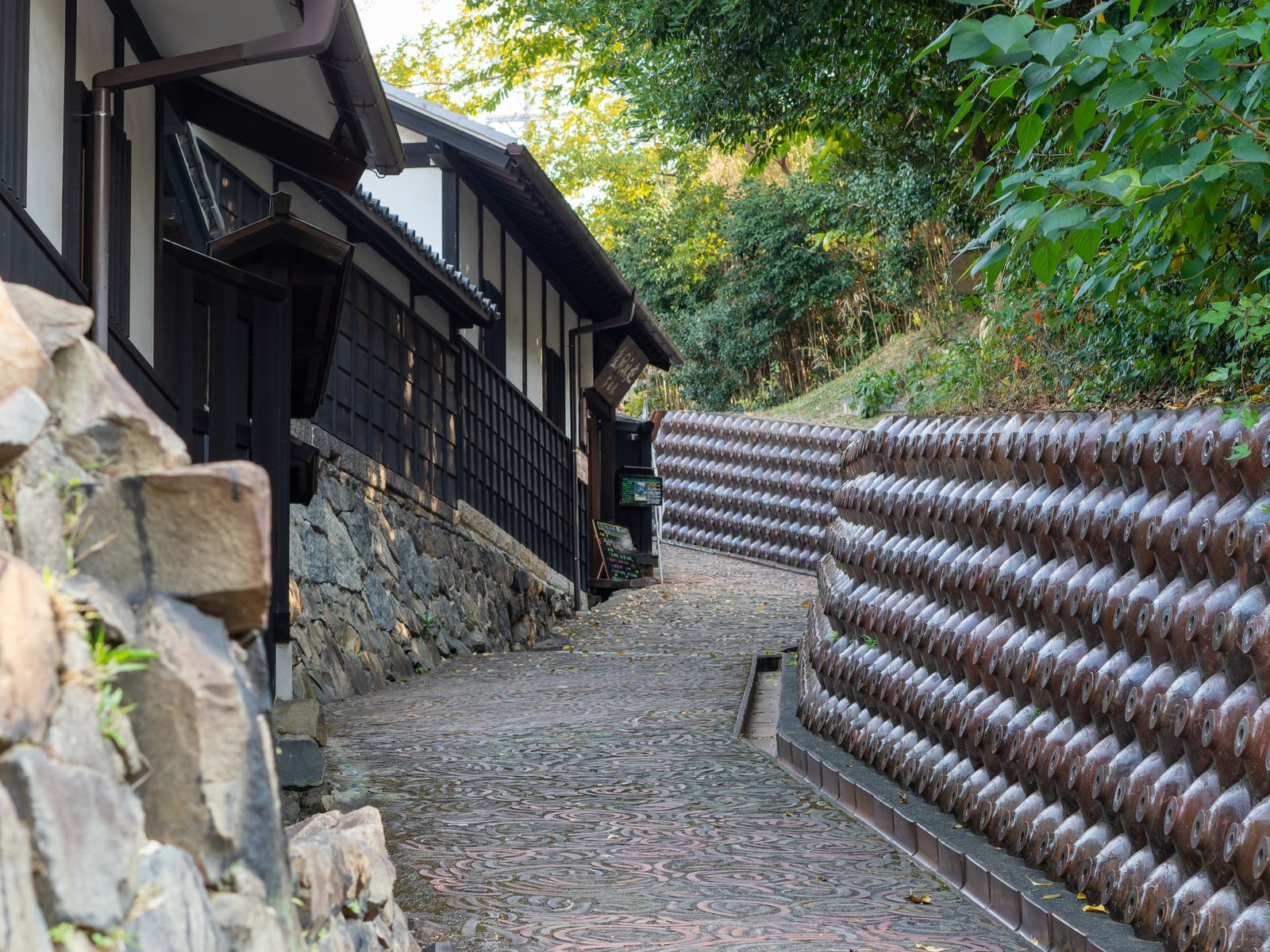
If Tokoname has one perfect image, it's Dokan-zaka. The slope is walled on both sides with old clay drainage pipes from the Meiji era and dark shochu bottles from early Showa, set row upon row into the plaster, and the ground underfoot is paved with kesawa — the fired-clay offcuts left over from making those pipes, laid down so the slope doesn't get slippery. It's industrial leftovers turned into something quietly beautiful, and it's pure Tokoname.
The climbing kiln
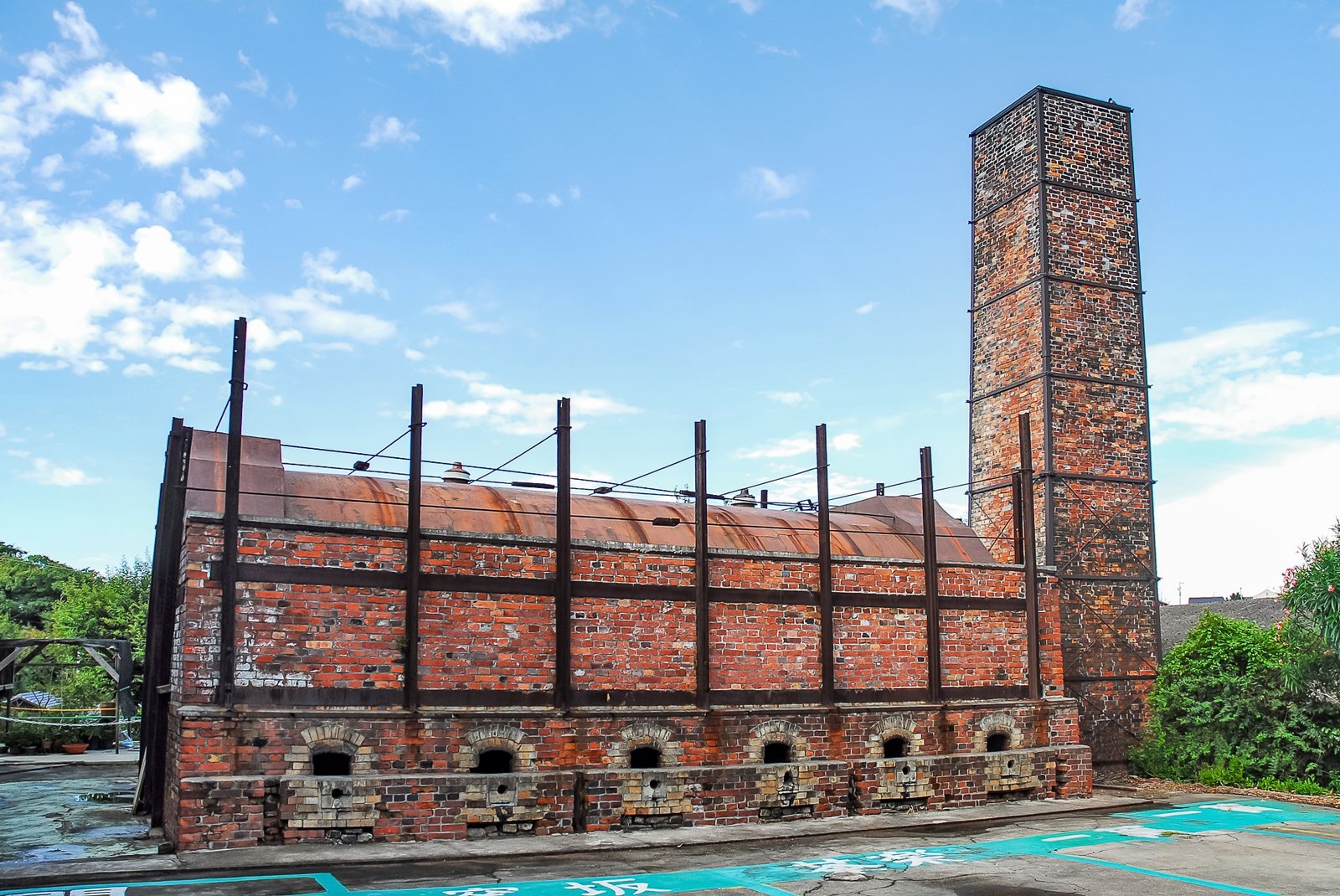
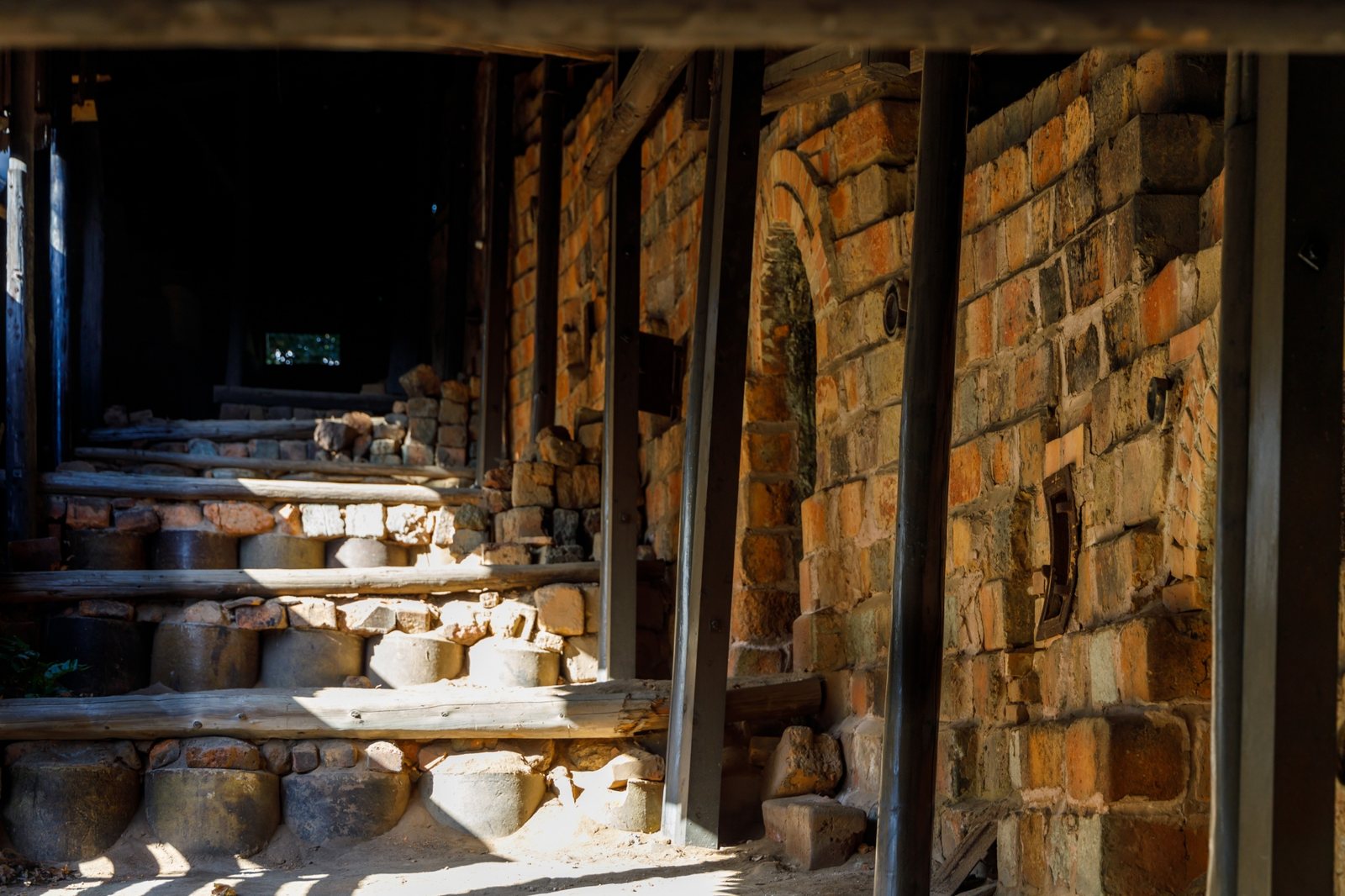
Further along, the land steps up the hill in a long brick ramp: the Toei climbing kiln, or noborigama. Built around 1887 and fired right up to 1974, it's the largest surviving kiln of its kind in Japan, with ten chimneys marching up the slope. It's protected as an Important Tangible Folk Cultural Property, and you can stand at its mouth and look straight into the chambers where the heat once climbed from one to the next.
A town full of cats
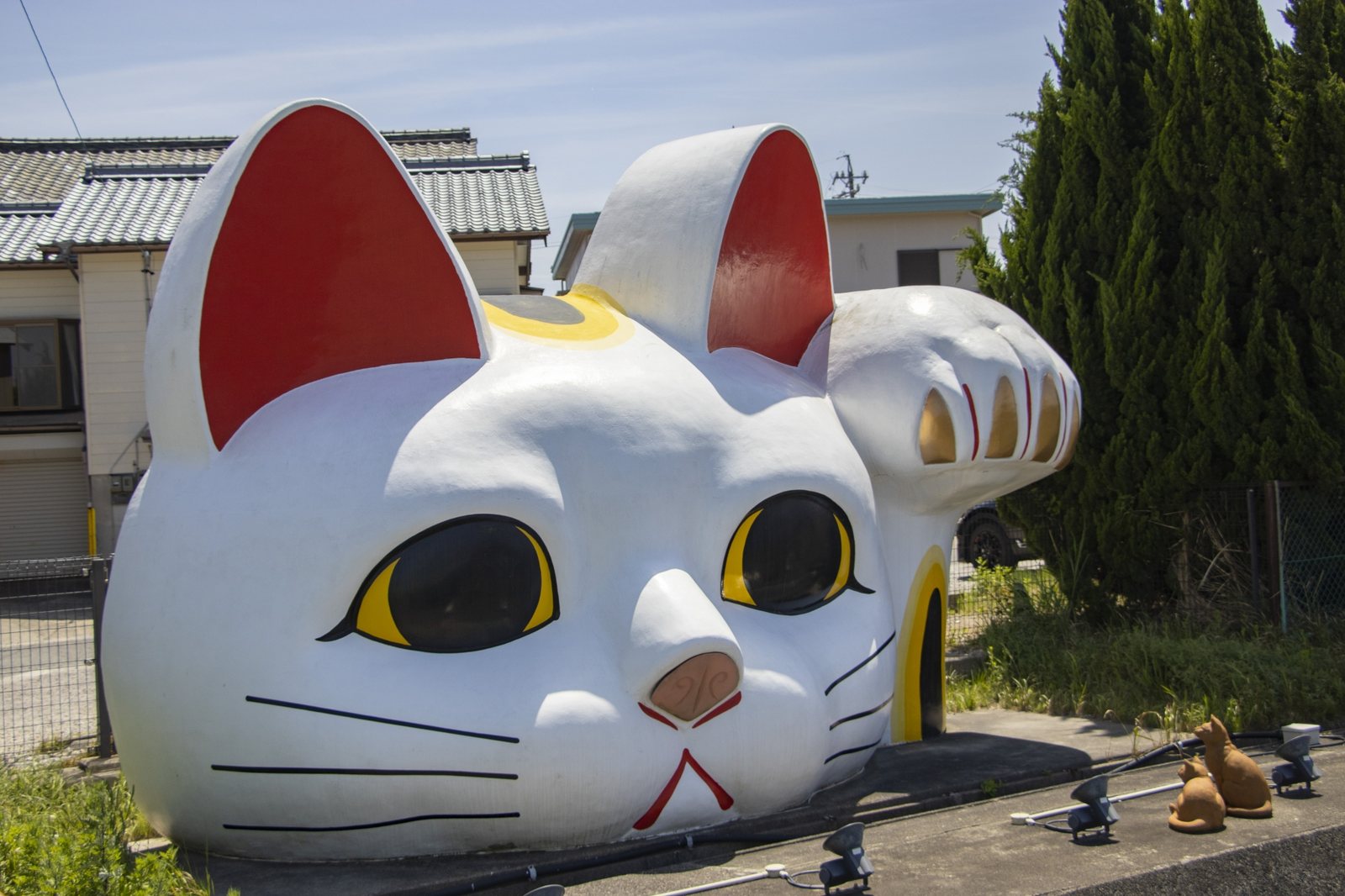
Tokoname makes more maneki-neko — the beckoning "lucky cats" you see in shop windows across Japan — than anywhere in the country, and it has a lot of fun with it. Along Maneki-neko Street, a wall is lined with small ceramic cats by local artists, each one offering a slightly different blessing, and from above the whole scene a giant cat face called Tokonyan keeps watch. It's about as charming a photo stop as the region has.
Honest about the walk
This is a real walk on real hills — sloping lanes, some steps, uneven cobbles in places — so wear comfortable shoes, and take the pipe-slope slowly when it's wet. In high summer the lanes get hot; go early or late, and let the little cafes and galleries be your air-conditioned excuse to slow down (we wrote a whole post on staying cool in a Japanese summer if that's your season). Spring and autumn are the easiest months to walk it.
Make it part of your trip
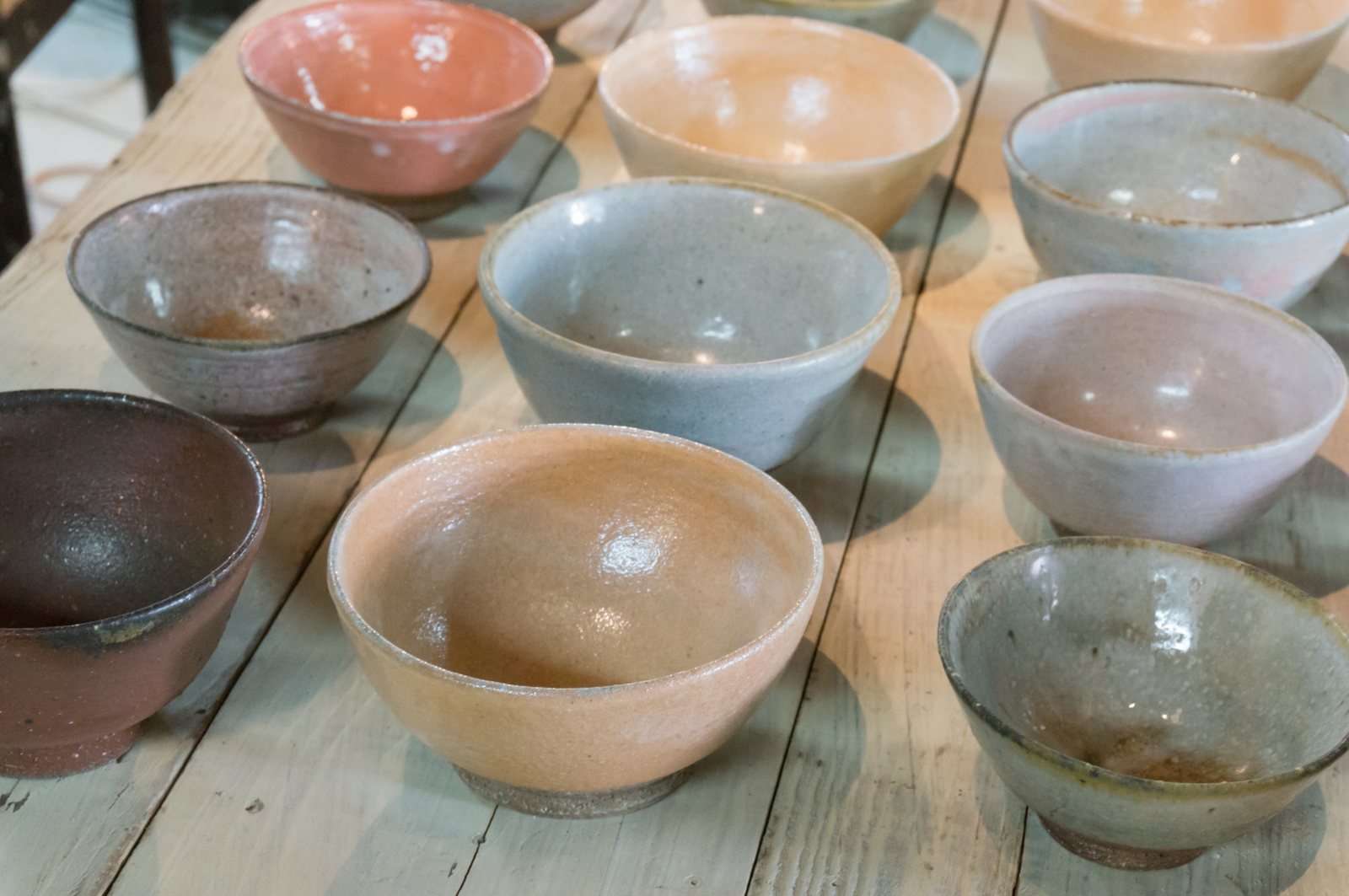
Tokoname rewards browsing — kyusu teapots in red clay, mugs and bowls straight from the studios, a coffee in a converted workshop. Pottery is the souvenir to bring home here: a small red teapot genuinely changes how a cup of green tea tastes. Because it's minutes from the airport, it slots perfectly onto a first or last day, and it pairs easily with the INAX tile museums nearby. Tell us your flight times and we'll build the half-day around them, in English or Vietnamese, at a pace that suits you.
In pictures
Highlights
Dokan-zaka, the pipe-and-bottle slope
The signature view of the walk — a sloping lane walled with Meiji-era clay drainage pipes and early-Showa shochu bottles, with fired-clay waste underfoot for grip. Pure Tokoname.
Japan's largest climbing kiln
The Toei climbing kiln, built around 1887 and fired until 1974, steps up the hill with ten brick chimneys. It is an Important Tangible Folk Cultural Property — you can look right inside.
A street of lucky cats
Tokoname makes more maneki-neko (beckoning cats) than anywhere in Japan. A wall of ceramic cats by local artists lines Maneki-neko Street, watched over by Tokonyan, a giant cat face some 3.8 metres tall.
One of Japan's Six Ancient Kilns
Pottery has been fired here for around a thousand years — one of the country's six oldest kiln towns, and the story is recognised as part of Japan Heritage.
Red-clay teapots
Tokoname's red kyusu teapots are prized for the way the iron-rich clay rounds out the taste of green tea; a small one makes a souvenir you'll actually use.
A suggested route
- 1
Ceramics Hall (start)
The Pottery Footpath begins at the Tokoname Ceramics Hall, about a 5–10 minute walk from the station; pick up the route map here.
- 2
Dokan-zaka
The iconic sloping lane walled with clay pipes and shochu bottles.
- 3
The climbing kiln
Japan's largest surviving noborigama, with its row of chimneys stepping up the hill.
- 4
Maneki-neko Street
The wall of lucky cats and the giant Tokonyan, on the way back toward the station.
Best time to visit
Spring and autumn are loveliest for the walk, with mild air on the hilly lanes. It's open year-round; in midsummer, go early or late in the day and duck into the cafes and galleries for an air-conditioned break, and take care on the pipe-slope after rain, when it can be slippery.
Getting there
- Chubu Centrair (Central Japan Intl. Airport)About 5 minutes by Meitetsu train to Tokoname Station — ideal for a first-day or last-day half-day.
- Meitetsu NagoyaAround 30 minutes direct on the Meitetsu Tokoname / Airport Line.
- Tokoname StationAbout a 5–10 minute walk to the Ceramics Hall, where the footpath begins.
Would you like to visit?
Plan your visit
Want to include this in a guided day with transport and an English- or Vietnamese-speaking guide? Tell us your dates and we’ll build it around you.