
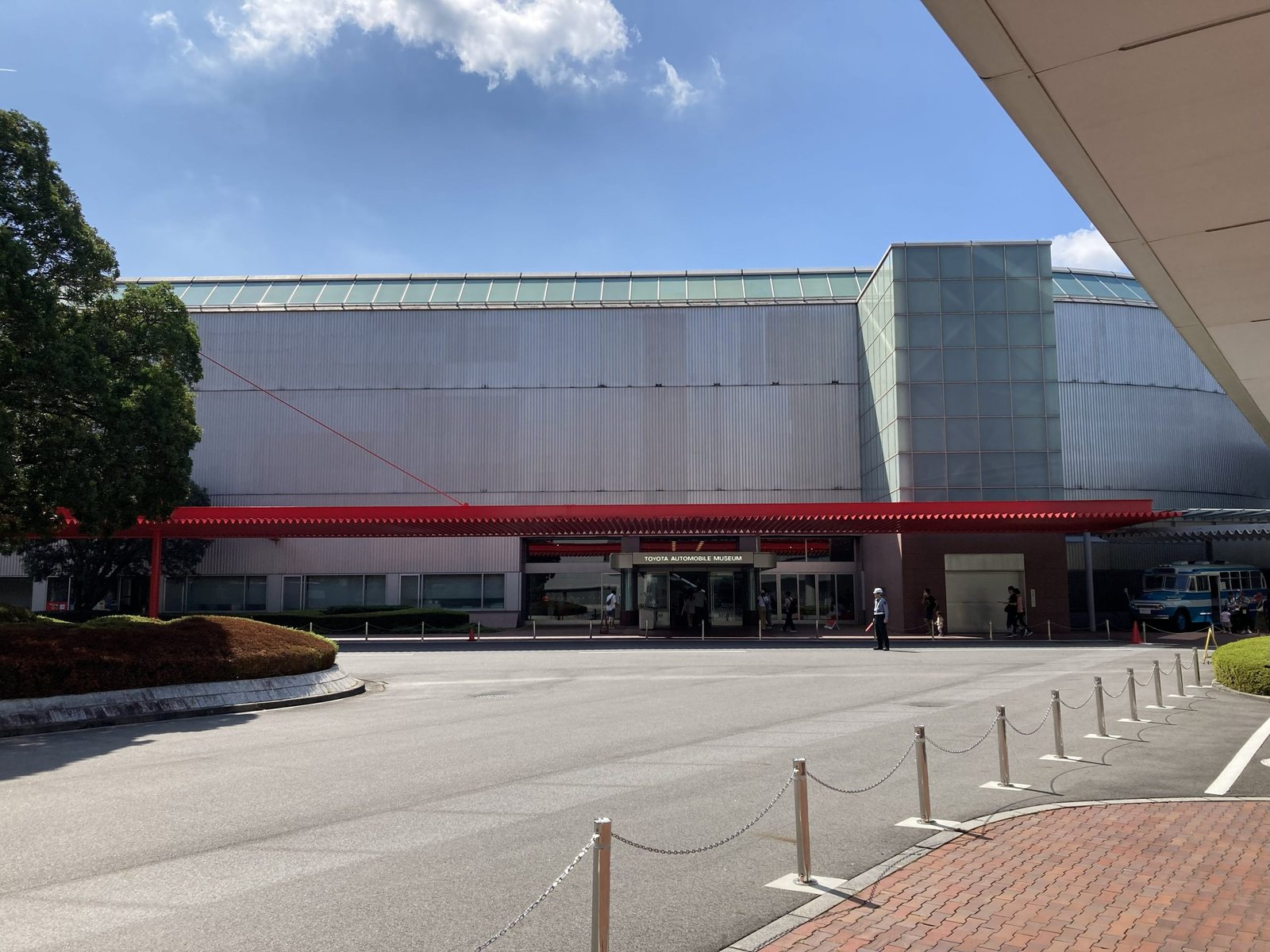
Toyota Automobile Museum
Not just Toyotas — a world-class collection tracing the history of the automobile from the late 1800s to today, with a culture wing on how the car changed everyday life. Easy to pair with Ghibli Park.
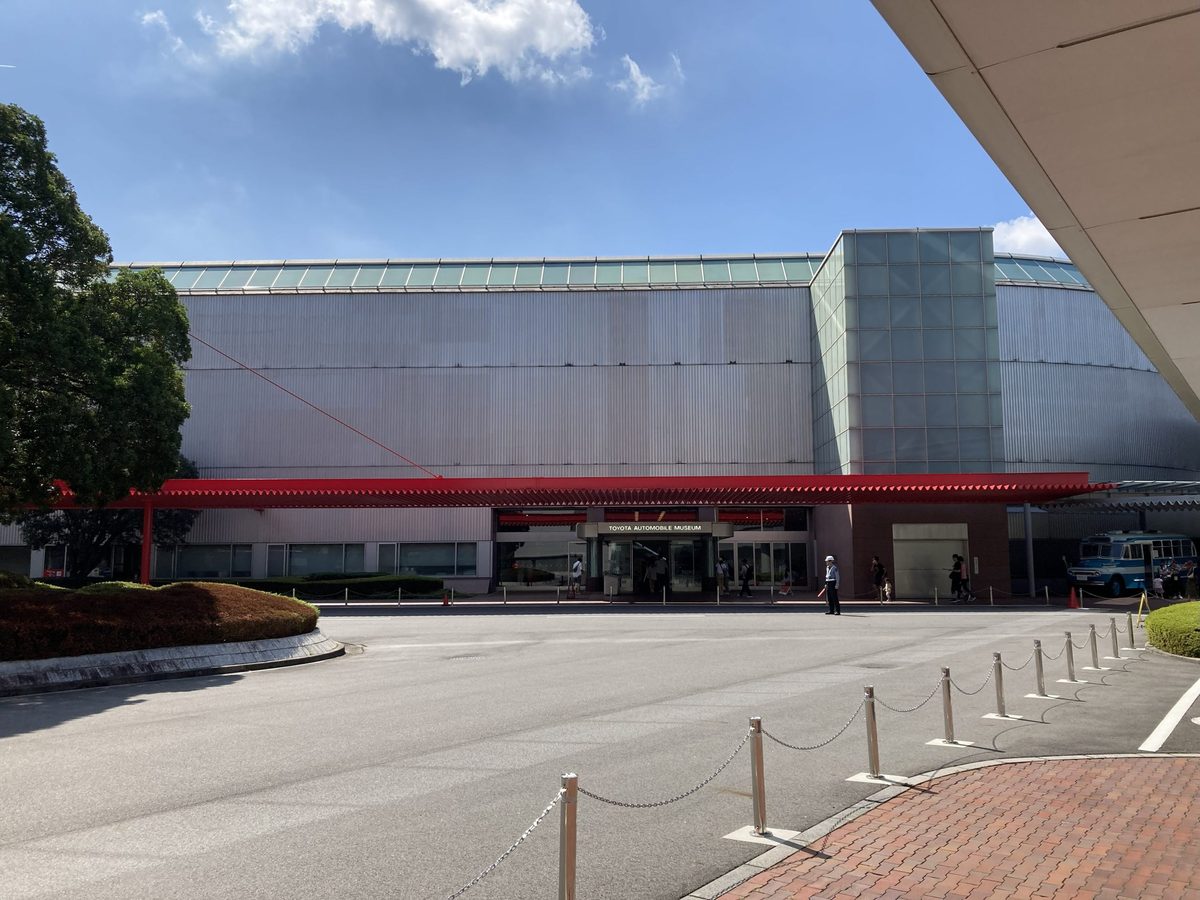
Plan your visitYou don't have to be a "car person" to fall for the Toyota Automobile Museum. Honestly, I've watched guests walk in looking politely unconvinced — and walk out two hours later, grinning, full of stories. It sits in Nagakute, just east of Nagoya, and despite the name over the door it isn't a showroom for one brand. It's the story of the car itself.
Not a Toyota showroom — the whole story of the car
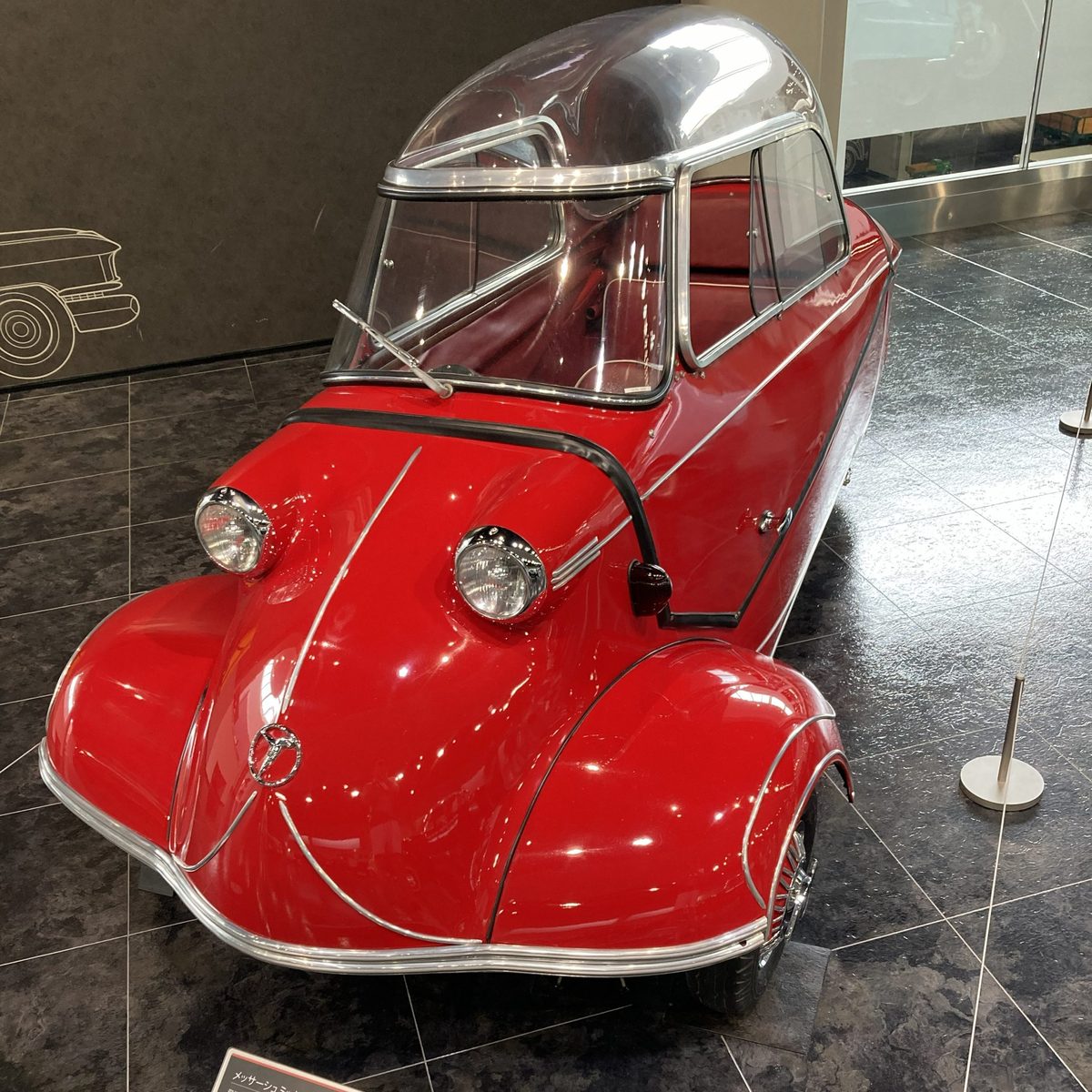
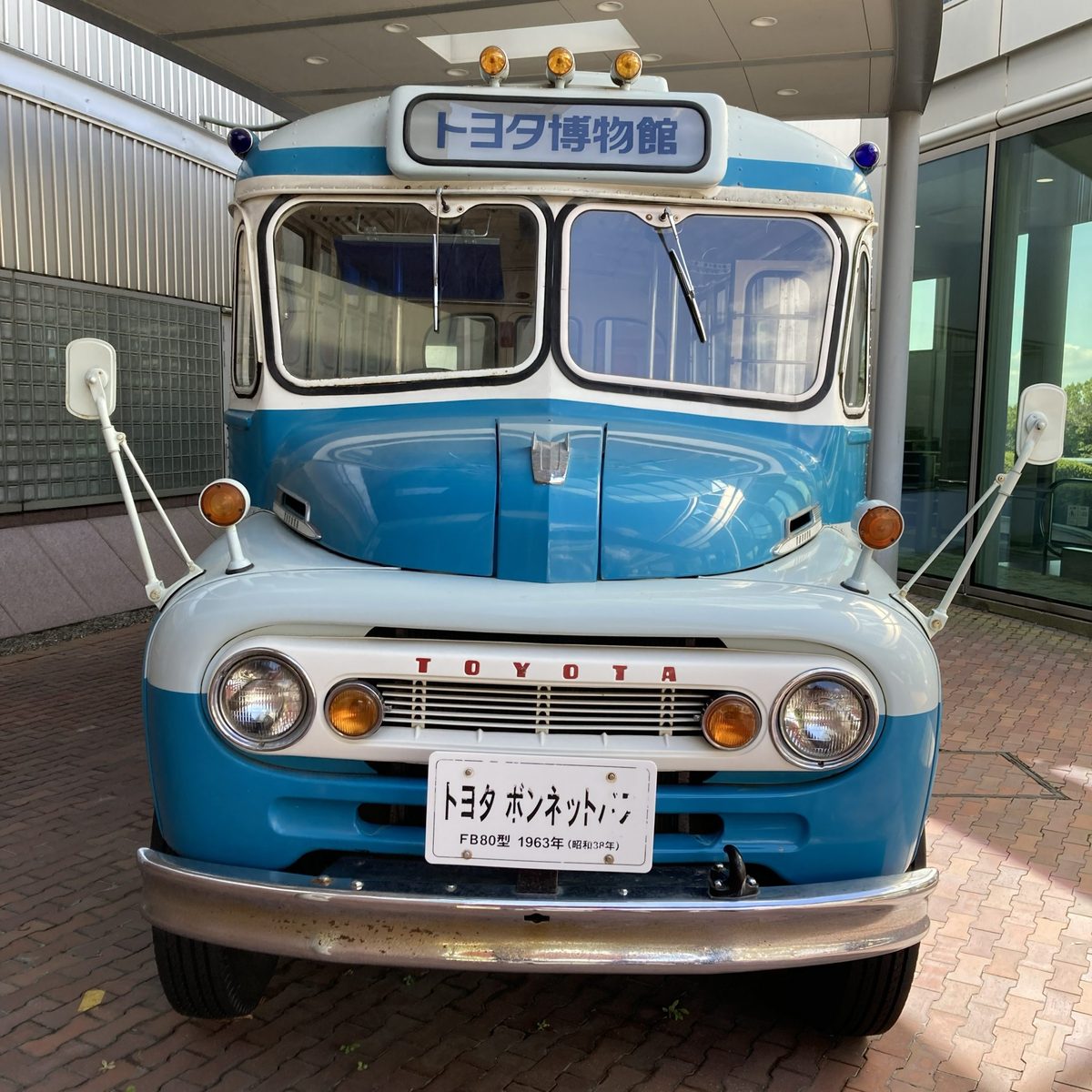
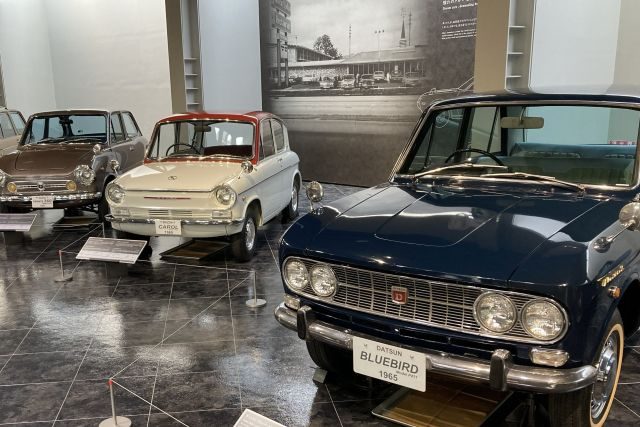
The museum opened in 1989, for Toyota's 50th anniversary, with a wonderfully un-corporate idea: collect the automobile, not the company. Behind the scenes it keeps around 400 vehicles from makers all over the world — Japanese, American and European, including grand old names that disappeared long ago — and shows more than 140 of them at any one time. You really are looking at the history of an invention, told in metal.
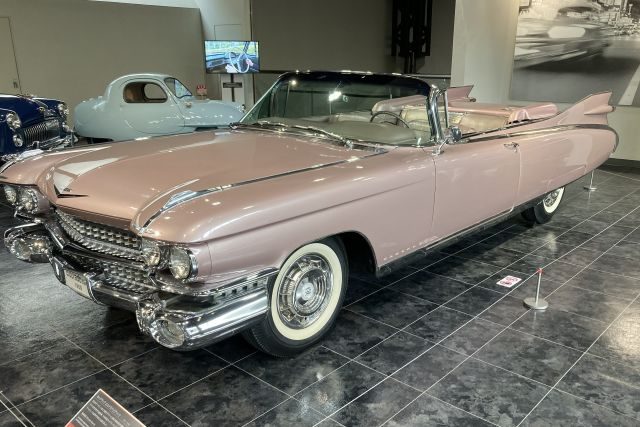
Here's the part that gets me: the cars still run
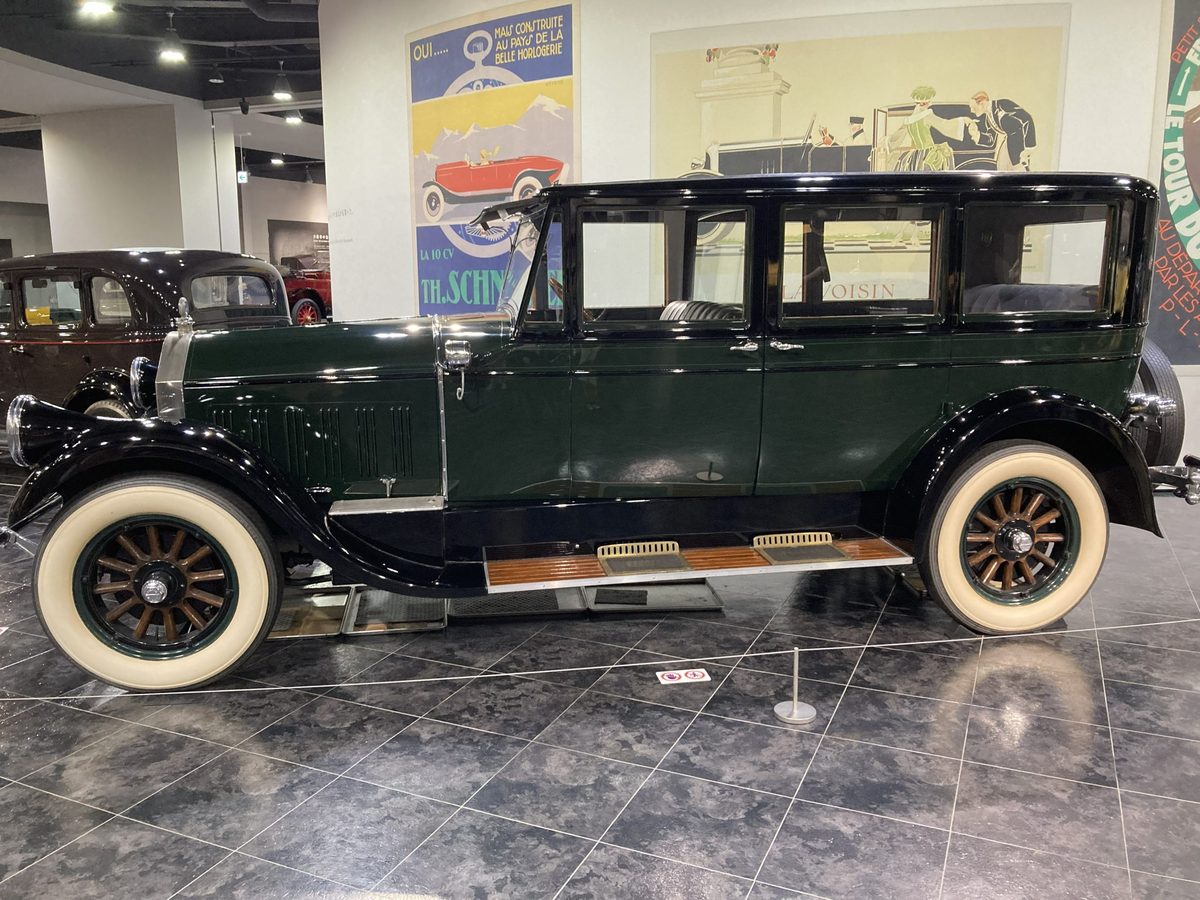
Most museums show you a beautiful shell. Here, most of the cars are kept in running condition — what they call dynamic preservation. The engines are maintained, fettled, kept alive, so these machines aren't embalmed; in principle they could be driven straight out the door. There's something quietly moving about that. A hundred-year-old engine that still turns over feels less like an exhibit and more like a living thing.
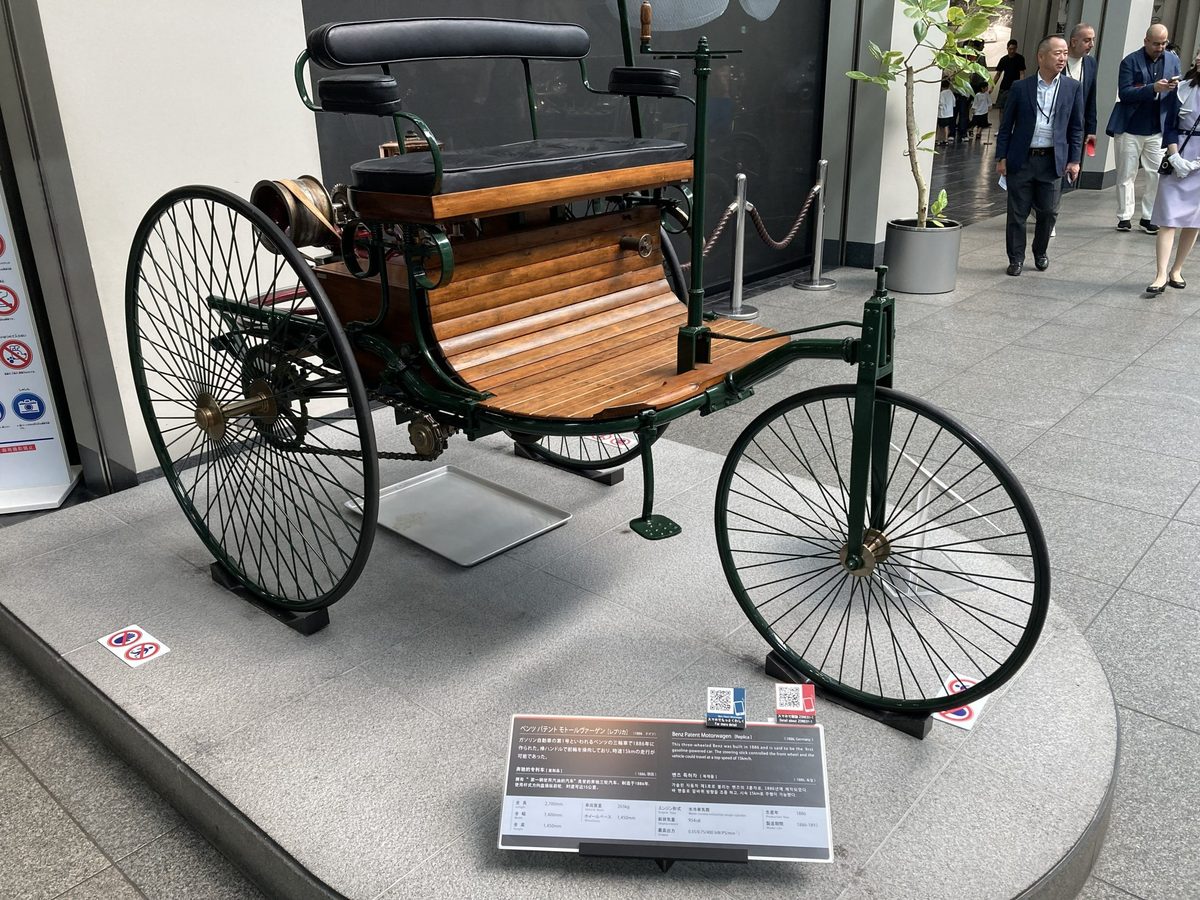
Walk it in order, and a century slips by
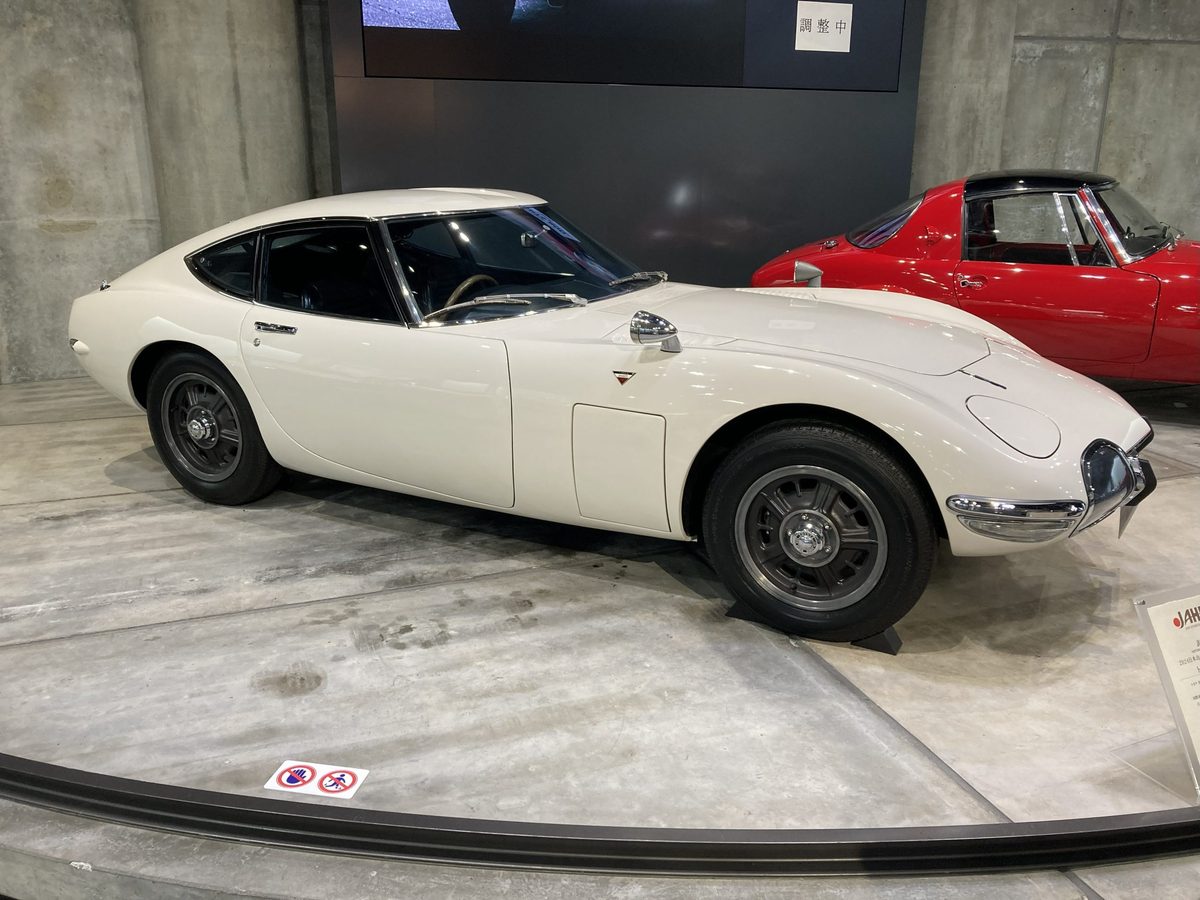
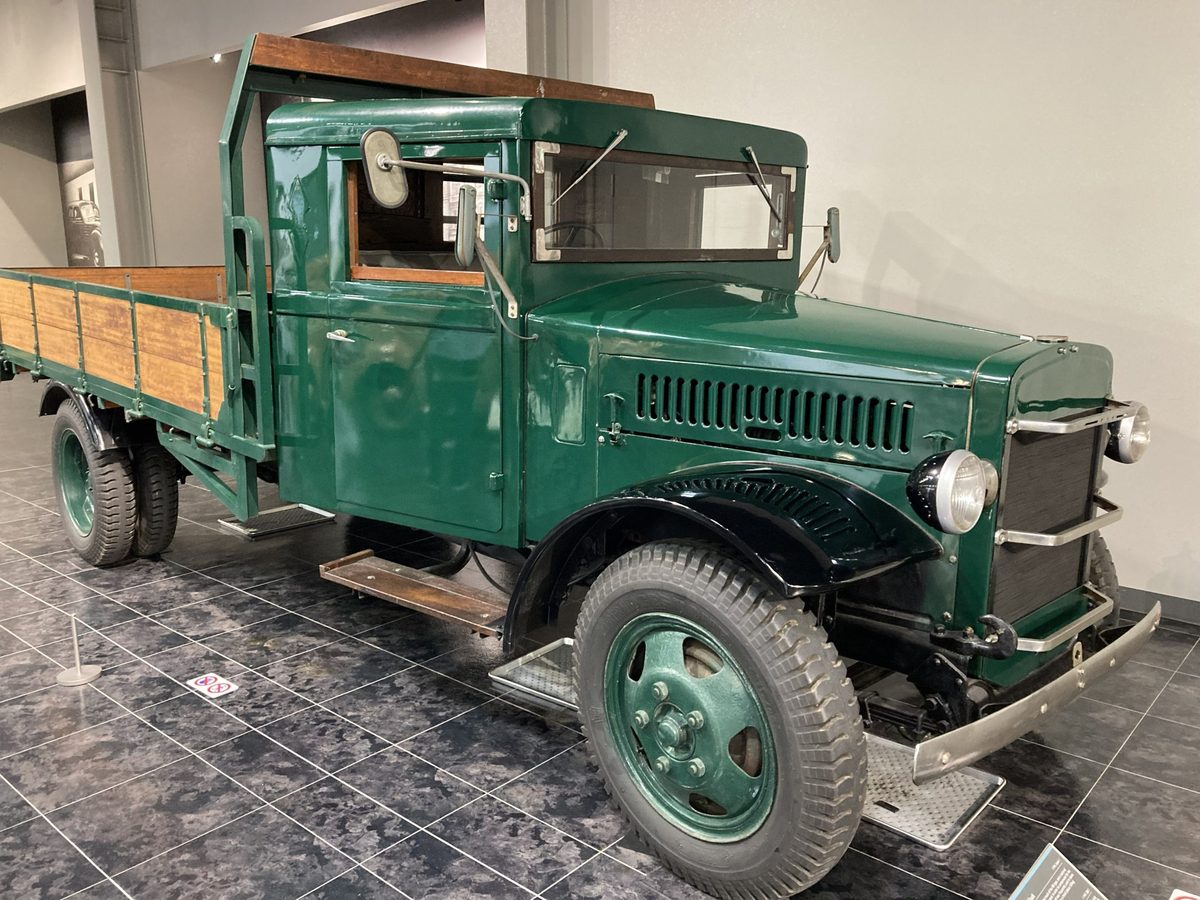
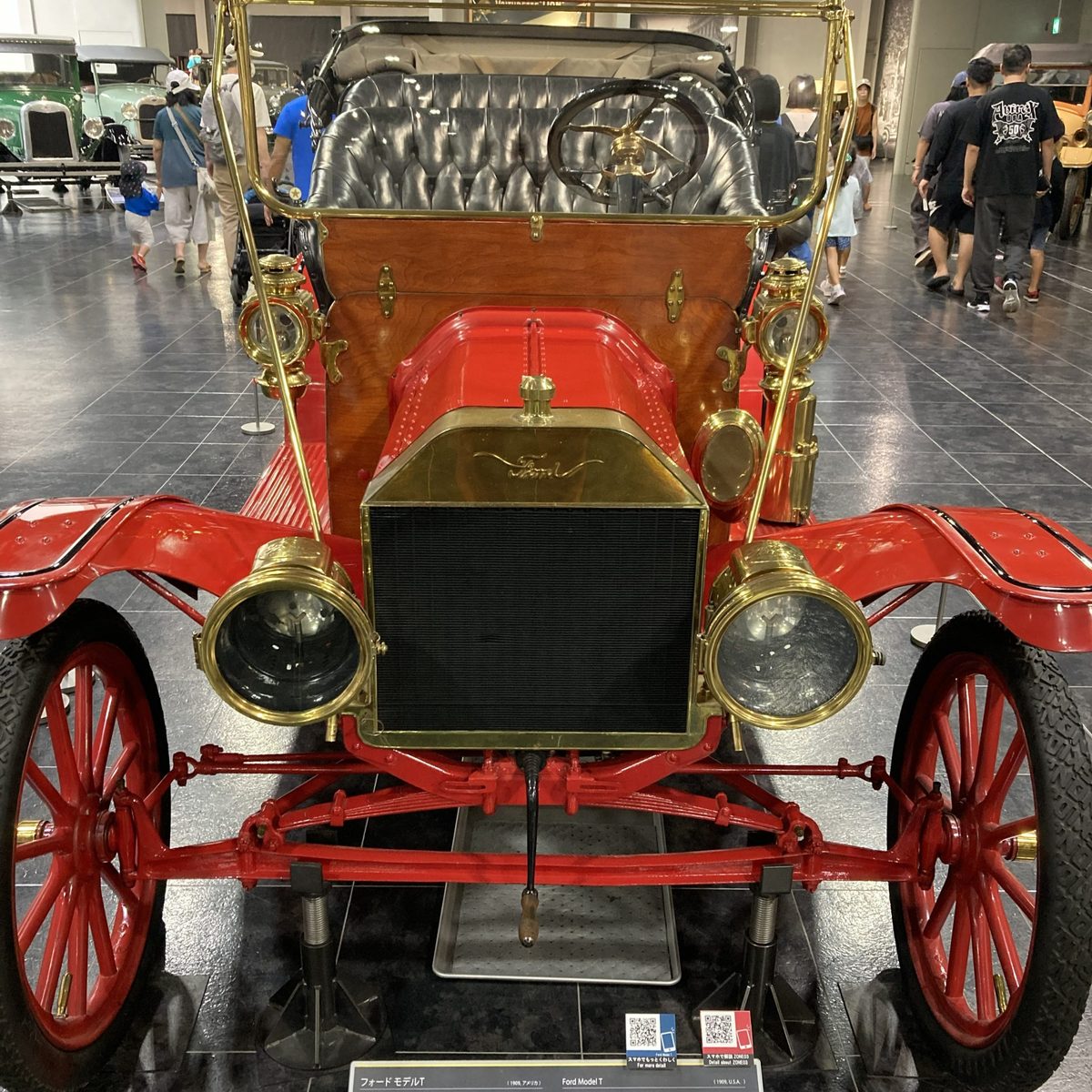
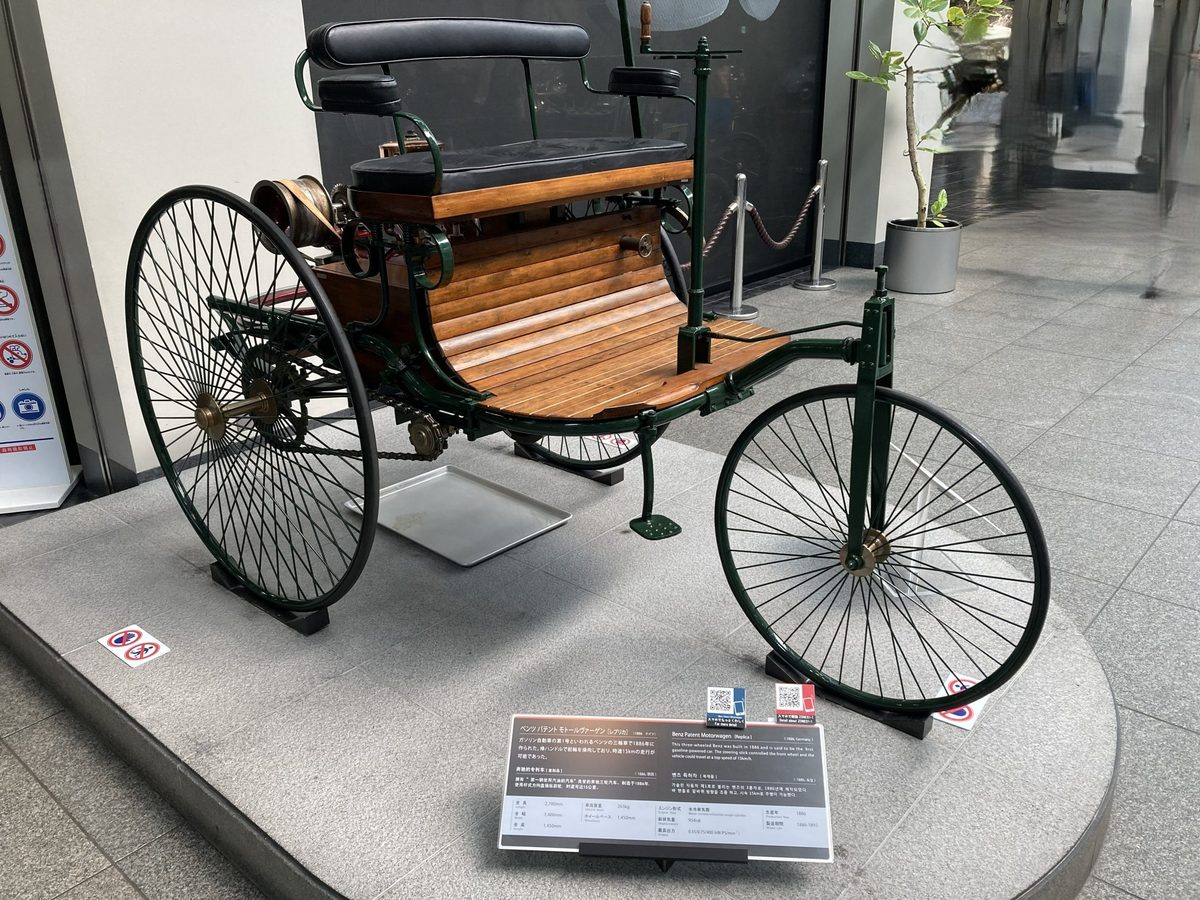
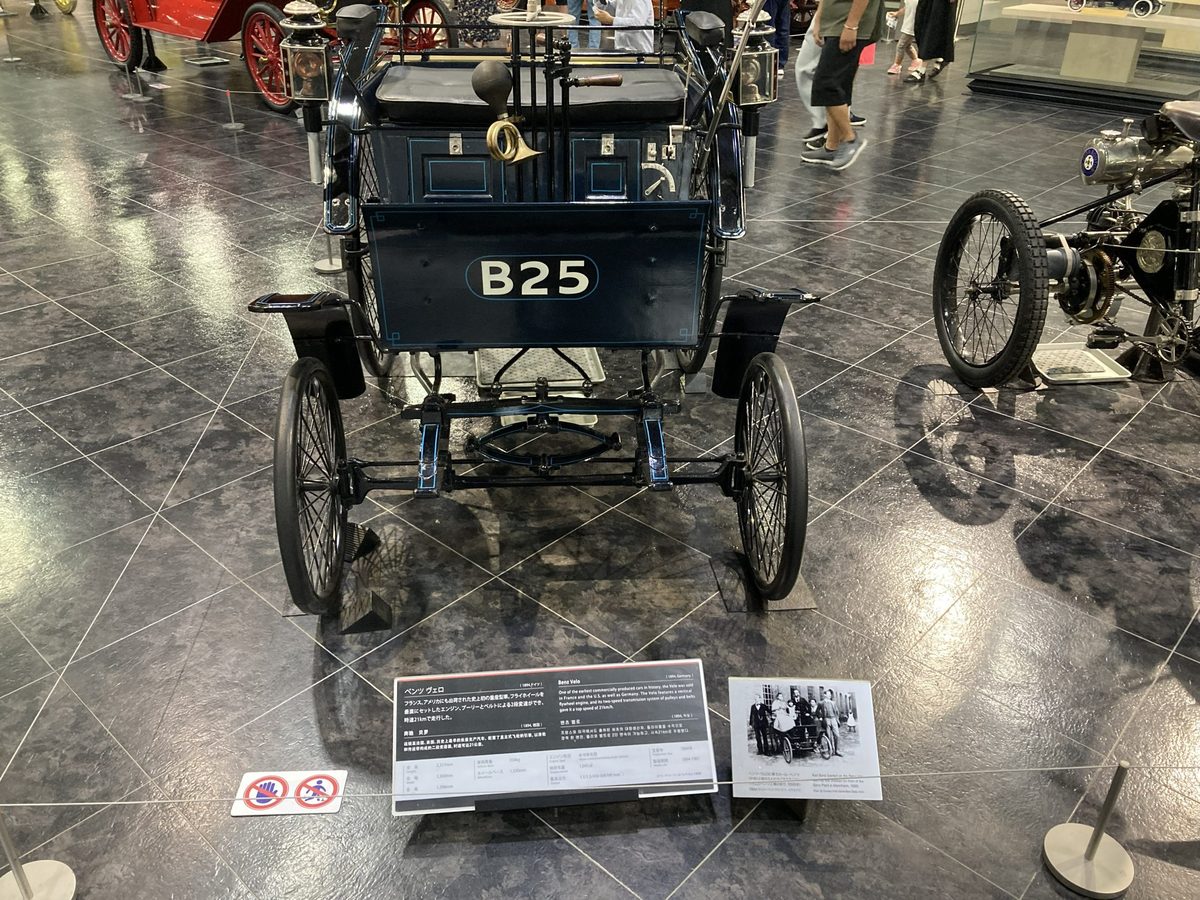
The collection is laid out in time order, so the easiest way to enjoy it is to simply follow the years. You start with steam carriages that look like bicycles that swallowed a kettle, then the 1886 Benz — about as close to "the first car" as it gets. A few steps on is a Ford Model T, the car that turned driving from a rich man's hobby into something ordinary families could afford. Then the swagger of the 1920s, when a super-luxury car could cost $10,000, an unimaginable sum at the time. You pass Japan's first tentative attempts at building its own cars in the 1920s and '30s, the big postwar machines and the thrifty little kei cars, and finally the 1960s and '70s, when owning a car became normal for Japanese households and names like the 2000GT announced that Japan had arrived. It's history you walk through, decade by decade.
More than machines
There's a whole culture wing beyond the cars, and it might be my favourite part. Through posters, toy cars, road signs and everyday objects, it shows how the automobile quietly rewrote 20th-century life — how we shop, travel, court and picture freedom itself. You can photograph almost everything (just don't touch), and there's a library, a museum shop and a restaurant. On some weekends they run hands-on events for families, so it's worth a glance at the calendar if you're travelling with kids.
Easy to pair with Ghibli Park
One more reason to come: the museum is on the Linimo line, which also runs to the Ghibli Park / Expo 2005 Memorial Park area. With a little planning you can do both in a single day — cars in the morning, Ghibli in the afternoon. Adult tickets are around ¥1,200, and since it's all indoors, the weather never spoils the plan.
Make it part of your trip
If a day of beautiful old cars and a wander through Ghibli Park sounds like your kind of thing, we'd love to set it up — route, timing and tickets, with an English- or Vietnamese-speaking guide. Tell us your dates and we'll build the day around you.
In pictures
Highlights
The car itself, not one brand
Opened in 1989 for Toyota's 50th anniversary, the museum keeps around 400 vehicles — Japanese, American and European, including names that vanished long ago — and shows more than 140 at a time.
The cars still run
Most are kept in running condition — "dynamic preservation". The engines are maintained and alive, not just polished shells.
A century, in order
Laid out chronologically, from the 1886 Benz and the Ford Model T to 1960s–70s Japanese icons. Walk the halls and watch the car evolve.
A culture wing, too
Posters, toy cars, road signs and everyday objects show how the automobile reshaped 20th-century life. Photos welcome (no touching); library, shop and restaurant on site.
Pair it with Ghibli Park
On the Linimo line to the Ghibli Park / Expo 2005 Memorial Park area — easy to combine into a single day.
A suggested route
- 1
Steam & the dawn of the car
Start with steam carriages and the 1886 Benz — the earliest automobiles, little more than engines on bicycle wheels.
- 2
Ford Model T
The car that turned driving from a rich man's hobby into something ordinary families could afford.
- 3
The super-luxury 1920s
Hand-built giants that could cost $10,000 — an unimaginable sum a century ago.
- 4
Japan starts building cars
The country's first home-grown cars of the 1920s and '30s, including the earliest Datsun.
- 5
Postwar recovery & kei cars
Big postwar machines alongside Japan's thrifty little "light cars".
- 6
The Japanese boom (1960s–70s)
When a car in the driveway became normal — and the 2000GT showed what Japan could do.
- 7
The culture wing
Finish with posters, toys and everyday objects on how cars reshaped daily life.
Best time to visit
It's all indoors, so any season and any weather are fine. The Linimo line also reaches the Ghibli Park / Expo 2005 Memorial Park area, so the two pair easily into one full day.
Getting there
- Geidaidori Station (Linimo)About a 5-minute walk.
- Fujigaoka Station (Higashiyama Subway Line)Change to the Linimo maglev line and ride to Geidaidori.
Would you like to visit?
Plan your visit
Want to include this in a guided day with transport and an English- or Vietnamese-speaking guide? Tell us your dates and we’ll build it around you.