Is Japan cashless yet? How much cash to actually bring in 2026
文 Trip Japan YLP 編輯部發行:Trip Japan YLP
本文重點
You've heard Japan is going cashless, and you've also heard it's stubbornly cash-only. Both are true, which is exactly the confusing part. So here's the honest version — the one we'd give a friend flying into Nagoya next week — on how much cash to bring to Japan and where a card quietly stops working.
The short answer
In the big cities, you can get surprisingly far on a card or your phone. Visa, JCB and Mastercard are accepted at most hotels, department stores, larger shops and city restaurants. Tap-to-pay apps like PayPay have spread almost everywhere, and your IC transit card — a Suica, or our local manaca — doubles as loose change at convenience stores and vending machines. Plenty of visitors find cards handle most of their spending in Tokyo, Osaka or central Nagoya.
But — and it's a real but — the moment you step off the main streets, cash comes back.
Where cash still rules
Think of it as a rule of thumb: the smaller and older the place, the more likely it wants yen. A family-run noodle shop with a handwritten menu. A mountain bus with a coin box by the door. The offering box at a shrine, the little stall selling omamori (good-luck charms), the entrance fee at a temple — almost always coins. Some onsen (hot springs), some countryside guesthouses, even the odd rural hotel: cash only. Japan's official tourism body puts it plainly — many places, especially in rural areas, may still only accept cash, so check ahead and keep some on you.
This is where a lot of first-timers get caught. You breeze through three cities on a card, then reach a beautiful little town — the kind we love out here in central Japan — and suddenly nothing beeps.
So, how much cash?
There's no magic number, but here's how we think about it (as of July 2026). Keep a cushion of ¥10,000–20,000 on you, and top it up before you head into the countryside rather than after. Break a big note early so you've got ¥100 and ¥500 coins for shrines, coin lockers and bus fares — those coin boxes rarely give change. A day of temples and small shops calls for a little more; a day in a city mall, a little less.
Getting yen is the easy part
Don't stress about arriving cashless. The most reliable cash machine in Japan is sitting in every 7-Eleven: Seven Bank ATMs — tens of thousands of them — take foreign cards and switch to English, Vietnamese and seven other languages at a tap. Japan Post Bank ATMs work too. Airport exchange counters are fine for your first ¥10,000 or so on landing. One small thing at card terminals: if the machine asks whether to charge you in yen or your home currency, yen is usually the simpler choice.
The central-Japan version
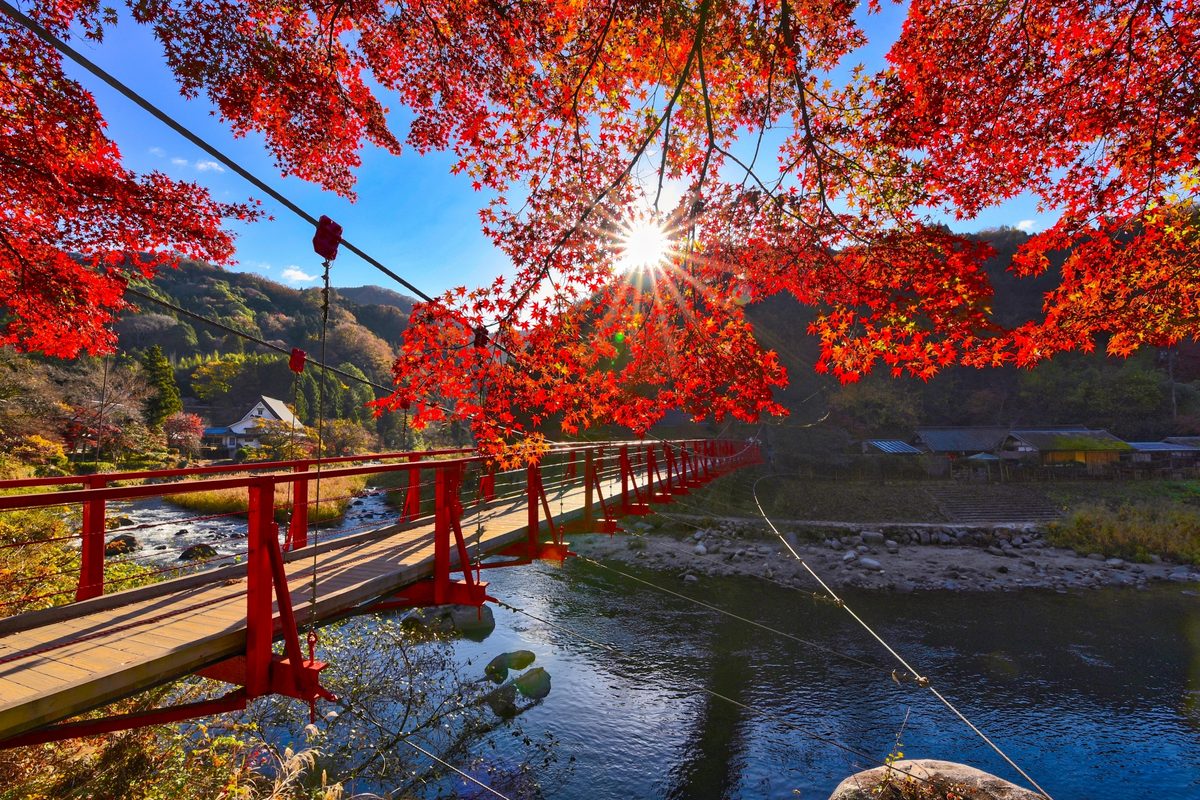
Here's the local truth. Nagoya itself is easy — tap away. But the trips people remember are the ones out in the hills: a potters' lane in Tokoname, a canal town in Hida, a spring-fed pond in the Gifu mountains. Those are exactly the places that still love cash. So when you plan a day away from the city, tuck a few extra notes in your pocket. You'll relax, and so will the shopkeeper.
If you want the tap-and-go side of this — trains, subways, the card itself — we wrote a whole guide to Japan's IC cards. And for the small towns worth carrying cash for, here's where to find them.
正在規劃日本中部之旅嗎?看看我們從名古屋出發的小團體行程。
瀏覽所有行程喜歡這篇故事嗎?