Skip to content
Trip Japan YLP
Kōrankei Gorge
Nature & Autumn Leaves·Asuke, Toyota

Kōrankei Gorge

A wooded valley in Asuke, Toyota — one of the Tōkai region's most famous places for autumn colour, where around 4,000 maples blaze red and gold above the Tomoe River and the iconic red Taigetsukyō Bridge.

規劃你的造訪

For one of the most beautiful autumn scenes in central Japan, head into Kōrankei, a wooded valley in Asuke, Toyota City, in the east of Aichi. Here the Tomoe River winds below the slopes of Mt. Iimori, and in late autumn the whole gorge turns to fire.

A valley of maples

Kōrankei is famous for its maples — around 4,000 trees of roughly 11 varieties, blazing red, orange and gold each November. It is counted among the Tōkai region's most celebrated autumn-foliage spots, and on a clear day the colour reflected in the river is unforgettable.

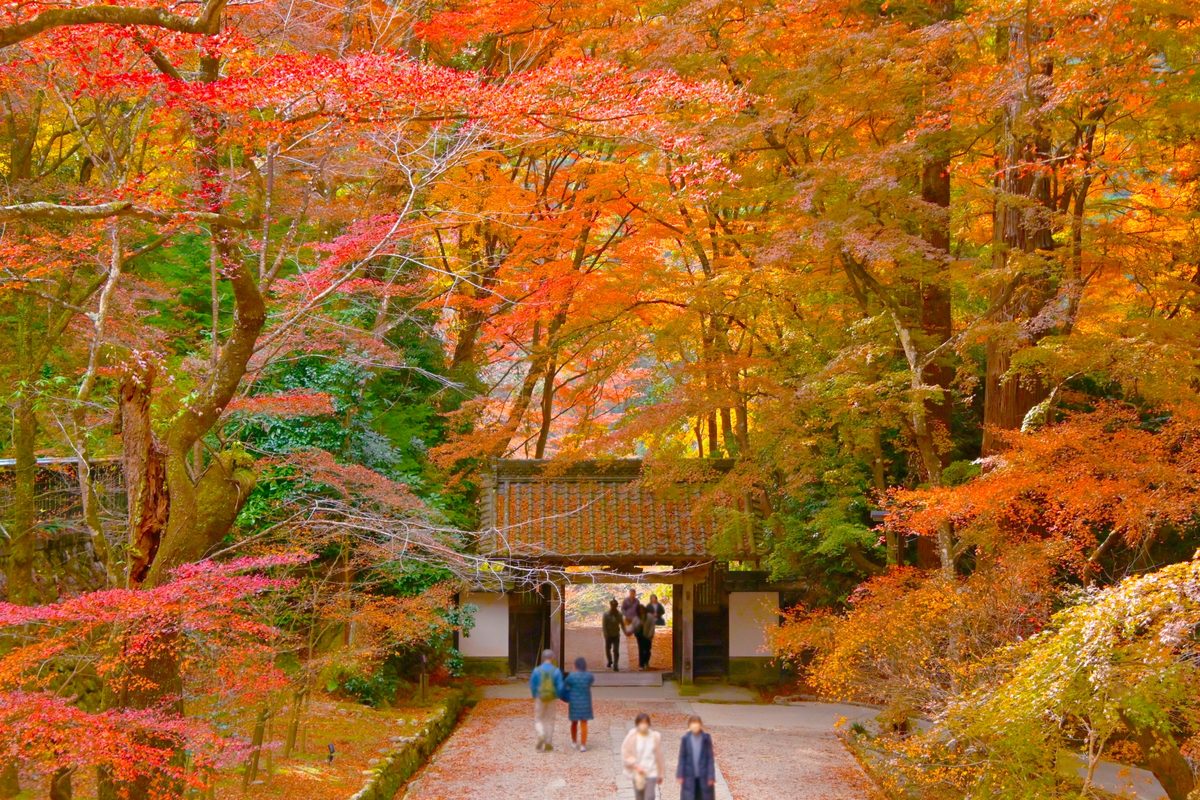
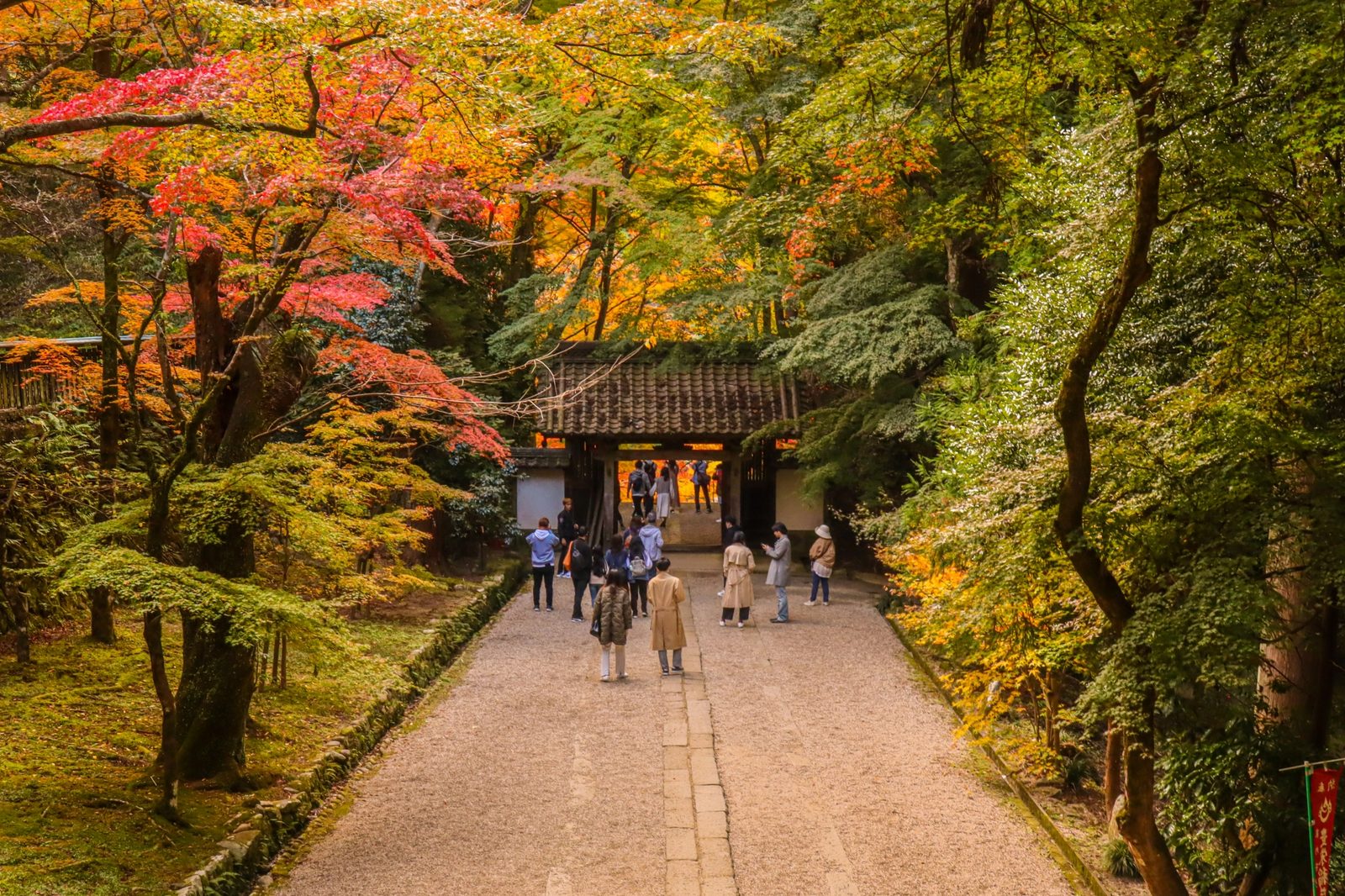
Vivid crimson and orange maples frame the old wooden gate along the autumn approach.

Planted by a priest, grown by a community

The maples here were not always so many. In 1634, Sanei, a priest of the temple Kōjakuji, began planting maples and cedars along the temple approach. Over the centuries, local people added more and more, until the slopes became the sea of colour seen today — a landscape shaped patiently, generation by generation.

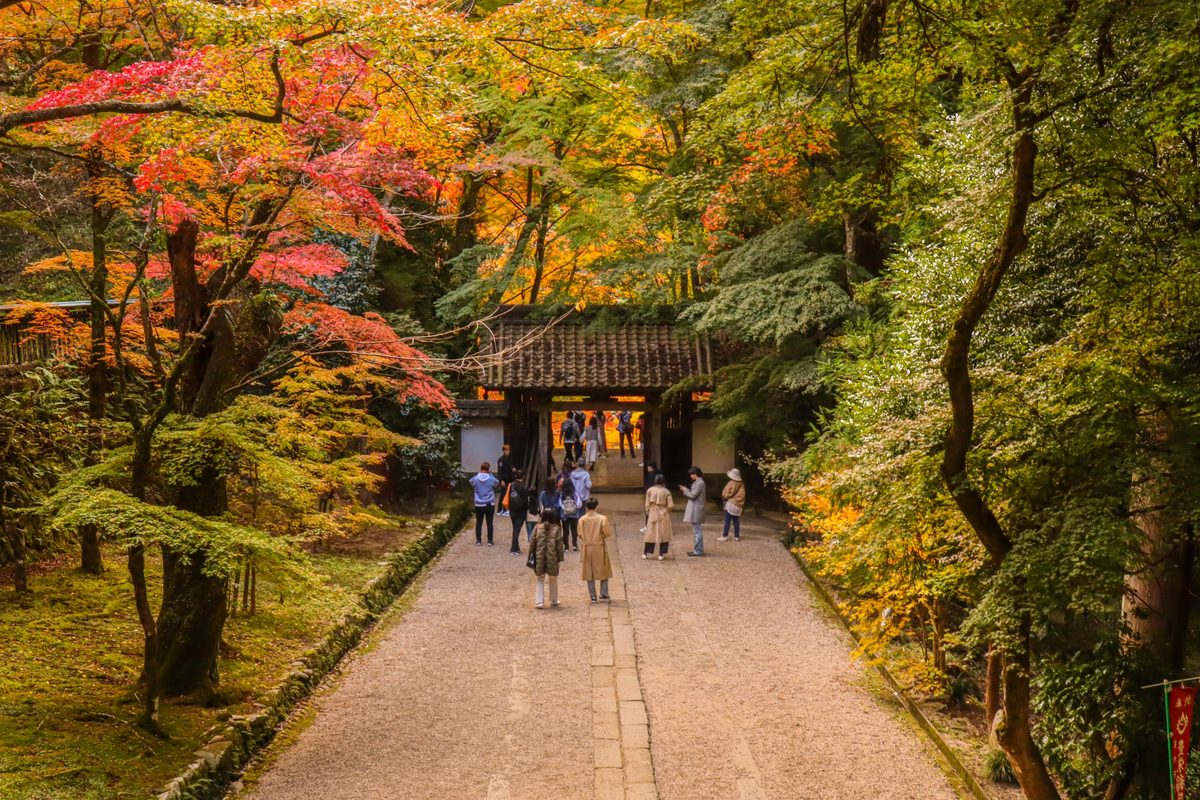
A gravel path winds to the temple gate beneath maples turning red and gold.

Taigetsukyō Bridge

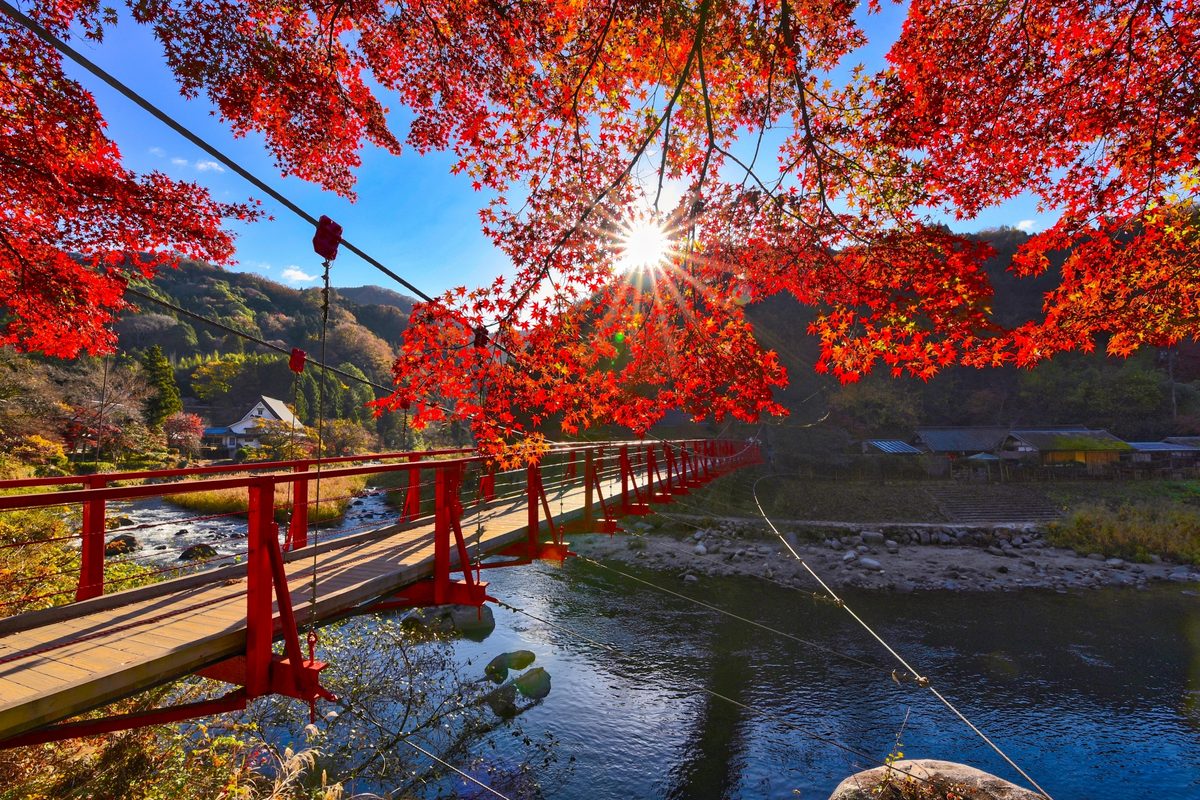
The red Taigetsukyō Bridge arching over the Tomoe River is Kōrankei's iconic, much-photographed view. Crossing it with the maples all around — or watching it framed by autumn colour from the bank — is the moment most visitors come for.

The iconic red Taigetsukyō Bridge over the Tomoe River, glowing through scarlet maple leaves.

Festival, light-ups and spring

Through November, the Kōrankei Momiji (Maple) Festival fills the valley, and in the evenings illuminations light the foliage after dark. Spring is lovely too: in March and early April, katakuri (dogtooth-violet) wildflowers carpet the slopes beneath the fresh green of new maple leaves. Nearby, Sanshū Asuke Yashiki, a living-history village, demonstrates Edo-era rural crafts.

A note on crowds: walking the valley is free, but at peak foliage Kōrankei gets very crowded with heavy traffic, and buses fill quickly. Early mornings or weekdays are best, and parking fees apply. Please check the current festival dates and times before you go.

Make it part of your trip

From Nagoya, Kōrankei is roughly 70 minutes by car — a natural day trip, and pairs well with the crafts of Sanshū Asuke Yashiki. Because the buses and parking can be overwhelming in foliage season, a guided car trip is the easiest option. We can arrange transport with an English- or Vietnamese-speaking guide — tell us your dates and we'll plan it around the best of the season.

影像中的它

影像中的它

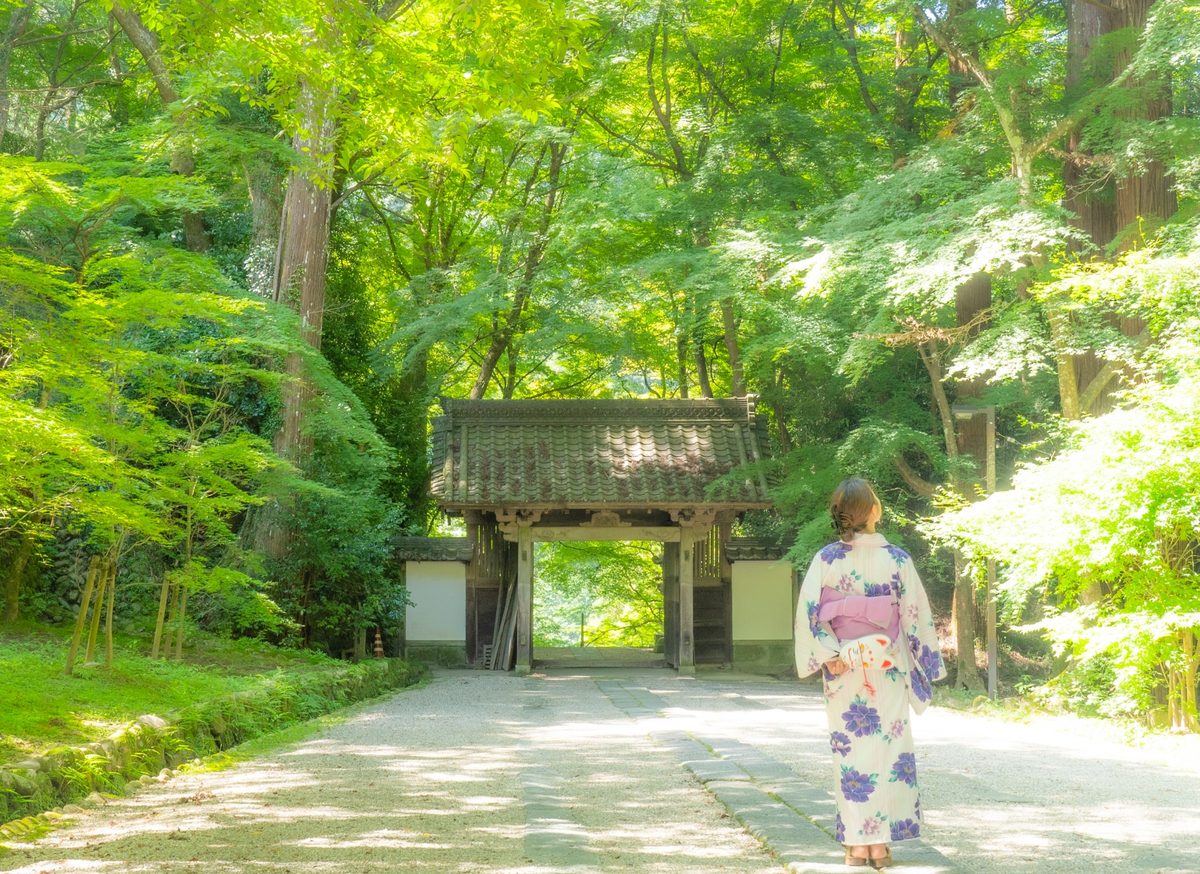
A visitor in a colourful kimono pauses before the temple gate amid fresh summer green.
亮點

亮點

About 4,000 maples

Some 4,000 maple trees of around 11 varieties cloak the slopes of Mt. Iimori, turning brilliant red, orange and gold — one of the Tōkai region's most celebrated autumn scenes.

Taigetsukyō Bridge

The red bridge arching over the Tomoe River is Kōrankei's signature view and one of the most photographed spots in the valley.

November Maple Festival & light-ups

The Kōrankei Momiji (Maple) Festival runs through November, with evening illuminations that light the foliage after dark. Please check current dates and times before you go.

Spring katakuri

In March and early April, carpets of katakuri (dogtooth-violet) wildflowers bloom across the slopes alongside the fresh green of new maple leaves.

Sanshū Asuke Yashiki

A nearby living-history village where Edo-era rural crafts are demonstrated — a fine way to round out a visit.

建議路線

建議路線

  1. 1

    Taigetsukyō Bridge

    Start at the iconic red bridge over the Tomoe River for the classic view.

  2. 2

    Riverside maple walk

    Follow the path along the water beneath the maples of Mt. Iimori.

  3. 3

    Kōjakuji approach

    Walk up toward the temple Kōjakuji, where a priest first planted these maples in the 1630s.

  4. 4

    Mt. Iimori slopes

    Wander the wooded slopes — a sea of katakuri in spring, of crimson leaves in autumn.

  5. 5

    Sanshū Asuke Yashiki

    Finish at the nearby living-history village to see Edo-era crafts.

最佳造訪時節

最佳造訪時節

1月
2月
3月
4月
5月
6月
7月
8月
9月
10月
11月
12月

Peak foliage is mid-to-late November, when the valley is at its most spectacular but also extremely crowded with heavy traffic. Early mornings or weekdays are far calmer. Spring (March–early April) brings katakuri wildflowers and fresh green maples, a quieter season many visitors love.

前往方式

  • From Nagoya by carRoughly 70 minutes by car — the easiest option, especially in foliage season.
  • By Meitetsu train + busTake a Meitetsu train, then a connecting bus toward Asuke. Buses are extremely crowded during the foliage season.
  • Guided car tripA guided car trip avoids the packed buses and crowded parking — we can arrange this for you.
在 Google 地圖開啟

想去看看嗎?

聯絡我們

規劃你的造訪

想把這裡納入含交通、並有英語或越南語嚮導的一日行程嗎?告訴我們你的日期,我們會為你量身安排。

返回景點