How green tea is made: following one leaf from the field to your cup
By Trip Japan YLP Editorial TeamPublished by Trip Japan YLP
In this article
Last time we looked at why sencha and matcha, from the very same plant, end up so different. A lot of that difference happens in a few busy hours right after the leaves are picked. So let's follow one leaf through the factory and watch it turn into the tea in your cup. It's simpler than you'd think — and there's one moment that decides everything.
The race against the clock
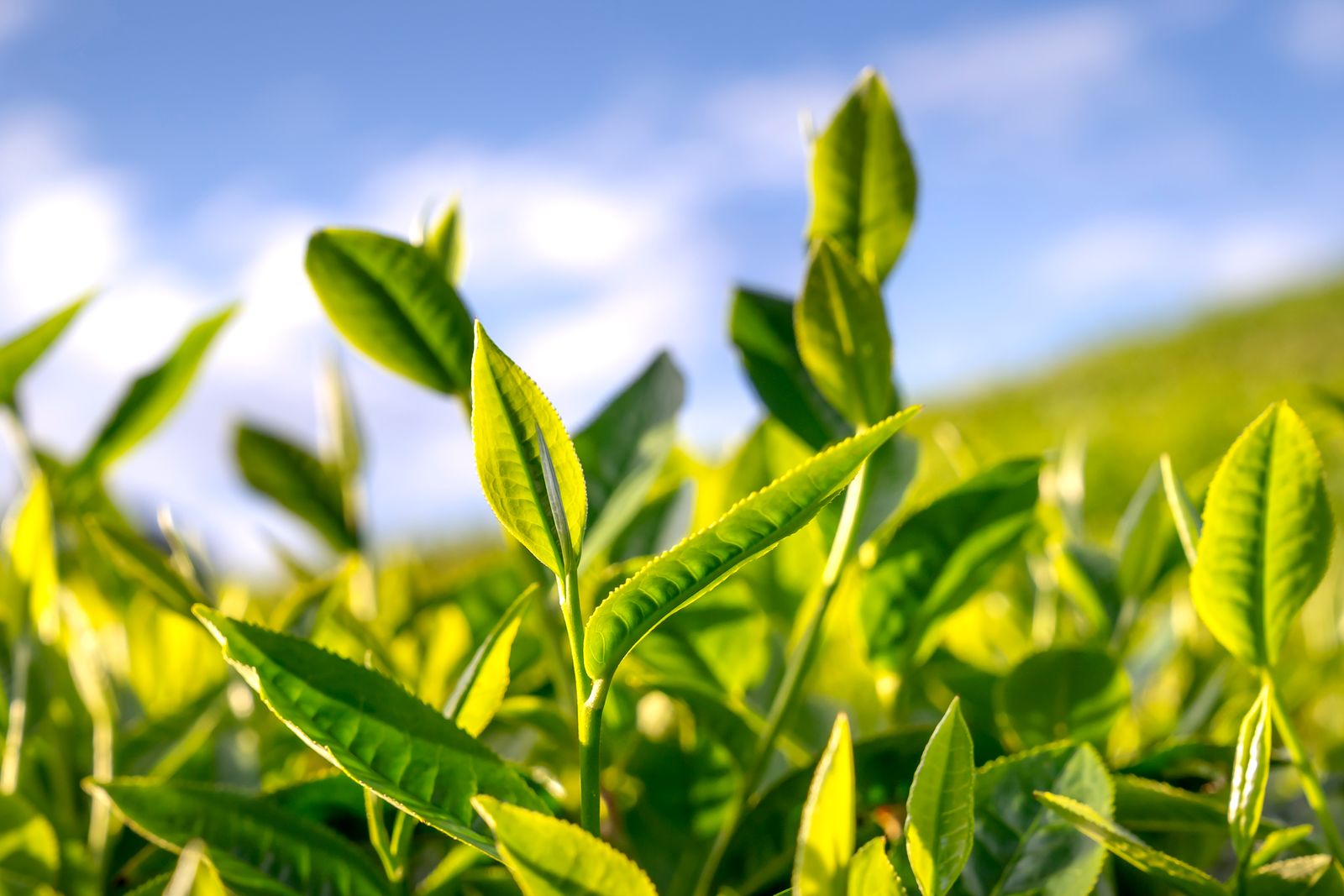
The moment a tea leaf is plucked, it starts to change. Left alone, it would slowly oxidise and brown — the same reaction that turns green leaves into black tea or oolong. Japanese green tea is built around stopping that. Fresh leaves are rushed to the factory the same day, sometimes within hours.
And the first real step is the one that makes Japanese tea Japanese.
Steaming: the moment that decides everything
In China, green tea leaves are usually pan-fired in a hot wok. In Japan, they're steamed. A blast of steam, somewhere between about 15 and 120 seconds — for everyday sencha, often around 30 to 90 — halts the oxidation cold and locks in that vivid green.
It sounds like a tiny detail. It's the whole personality of the tea. Steam a little longer and you get fukamushi, a deep-steamed sencha that brews cloudy, green and mellow. Keep it short and the cup stays clearer and brisker. Miss the window and the leaf is never quite right again. This is the moment everything else is built on.
Rolling: hours of patient shaping
Now the leaf gets worked. Rolling is easily the longest stage — often three or four hours — and it isn't really one step but a sequence: a rough roll, a twist, a middle roll, a final shaping. Big machines knead and press the leaves, slowly driving out moisture and breaking down the cells inside so the flavour will release cleanly later in your pot.
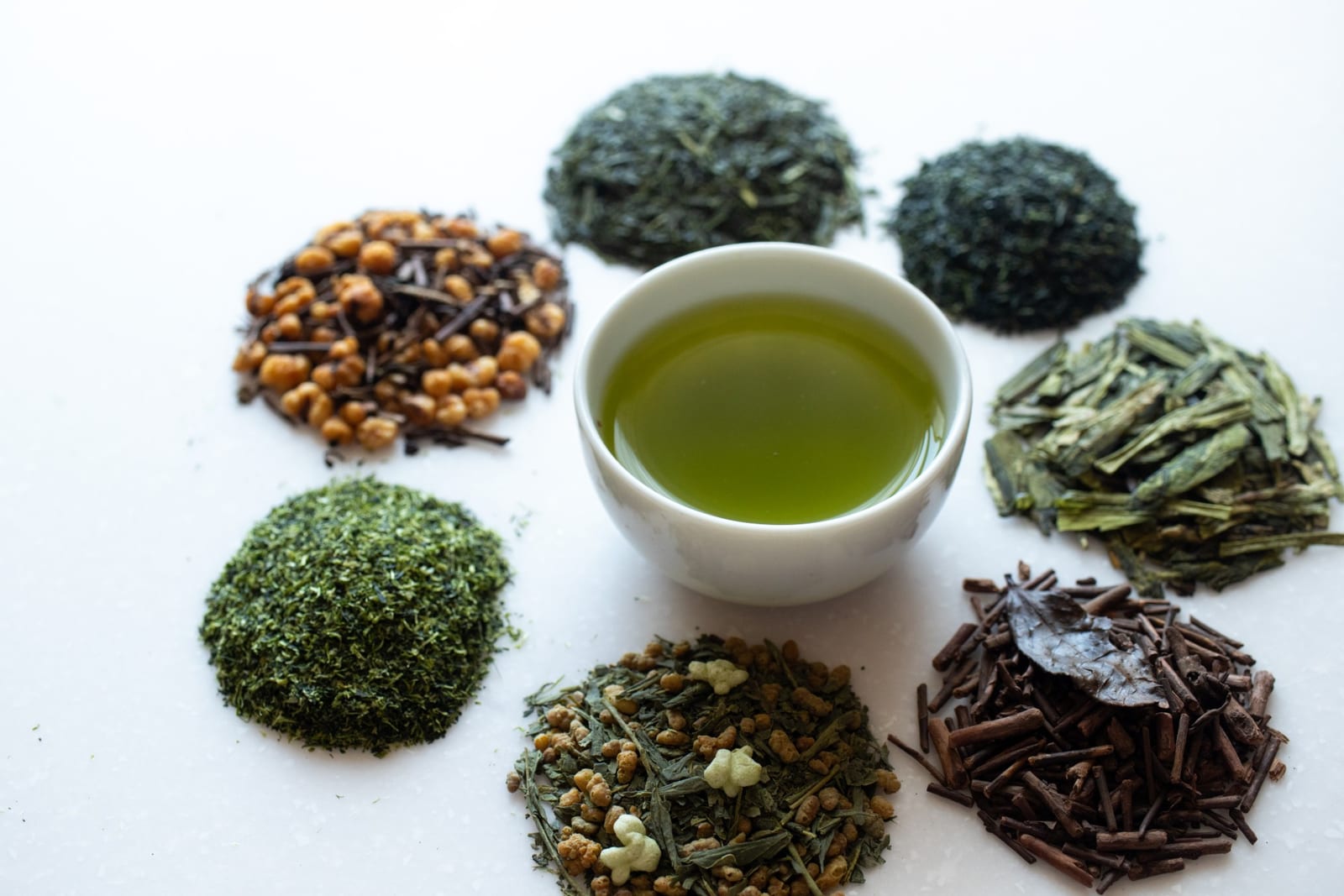
It's also what gives sencha its shape. Those thin, dark, twisted needles you tip out of the packet? That's rolling. The leaf is being coaxed, bit by bit, into a form that stores well and brews evenly.
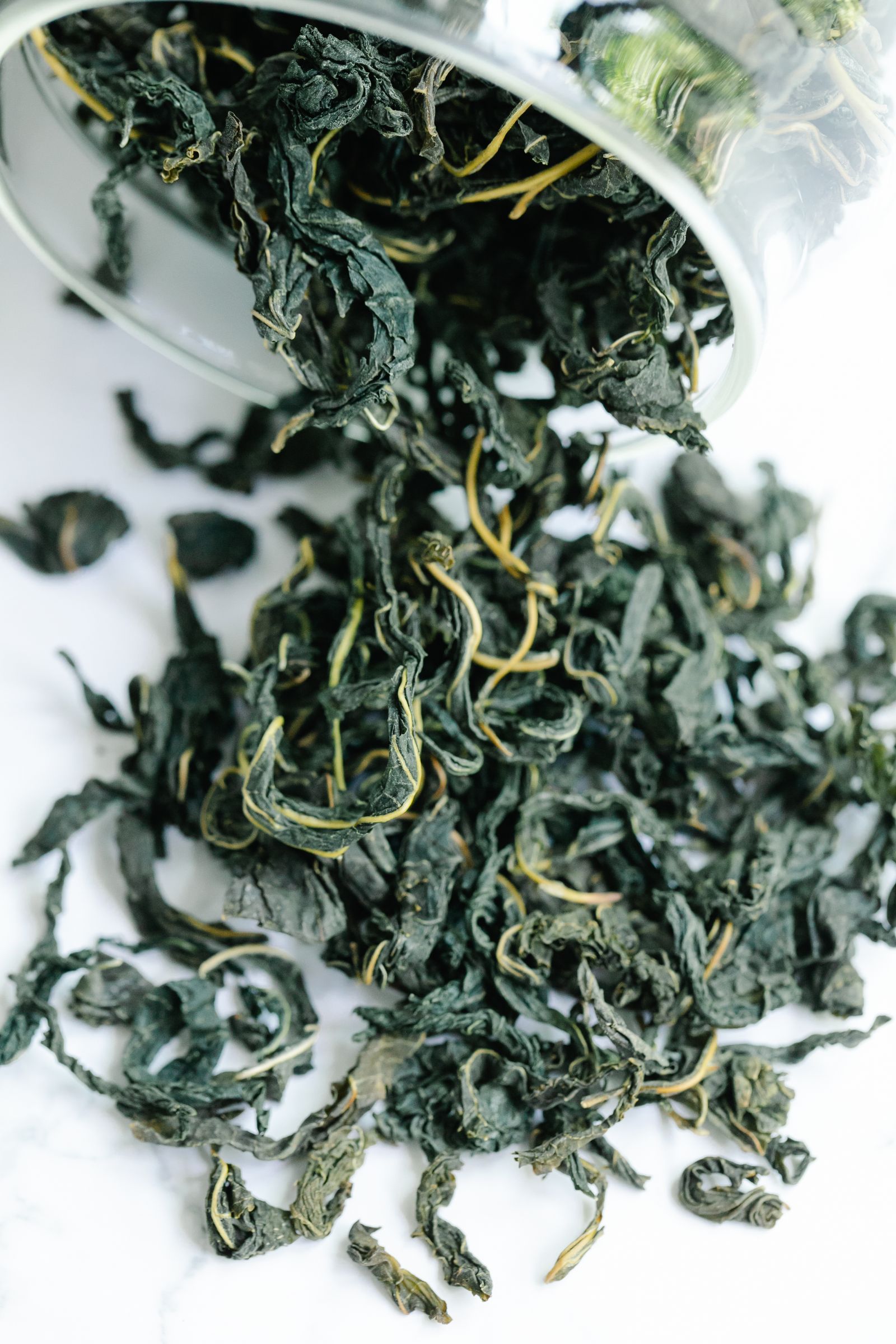
Before machines, this was all done by hand — temomi — on a heated table, a skilled maker working the leaves for four or five hours straight. A handful of masters still keep the craft alive, and today's rolling machines are essentially built to imitate those same human motions.
Drying, and a tea that isn't finished yet
A final dry brings the moisture down to around five percent — low enough that the tea keeps. What you have now has a name: aracha, or crude tea. And here's the part most people never hear about. That aracha is a jumble — needle-shaped leaf, bits of stem, dust, pieces of all sizes. It isn't the neat product on the shop shelf yet.
The finishing happens later, usually at a tea merchant. The aracha is sorted and cut by size, the stems and dust sifted out (those become their own teas — kukicha and konacha), and then comes hiire, a gentle final firing that coaxes out the finished aroma. Only after that is it shiagecha — finished tea, ready to be blended, bagged and poured.
Matcha takes a different road entirely
Here's where it splits. Leaves destined for matcha are grown in the shade, steamed like sencha — then not rolled at all. Instead they're dried flat, drifting through a tall drying chamber on warm air until they're brittle and paper-thin. That's tencha.
The stems and veins are stripped away, leaving only the tender leaf. Then, traditionally, it goes between two granite stones. The mill turns slowly on purpose: rush it and the friction heat would dull the colour and scent. A single stone mill gives you only about 30 to 40 grams of matcha in an hour — a bowl or two. That's why real stone-ground matcha is never cheap.
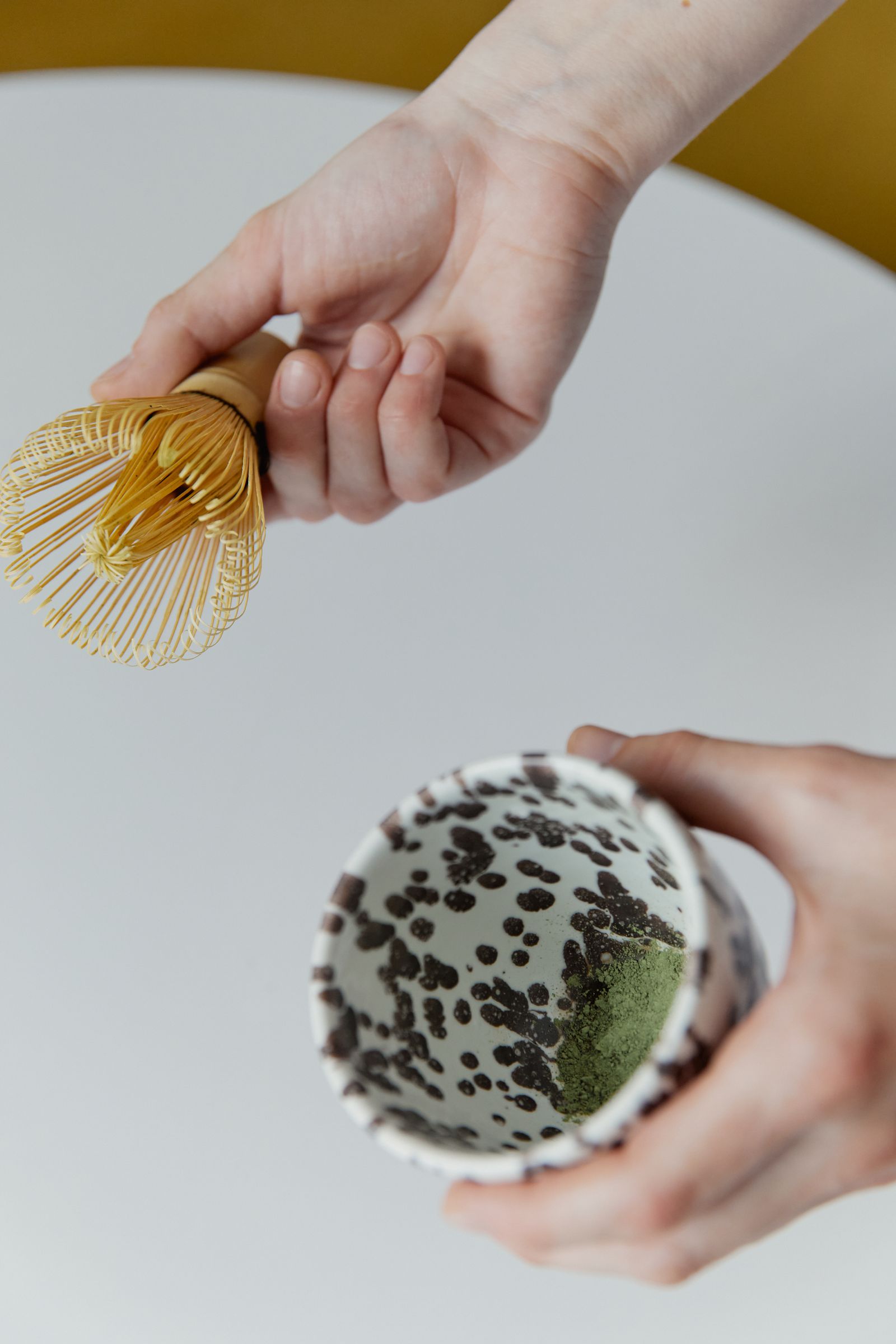
So the next time you steep a pot or whisk a bowl, you'll know the quiet work behind it: a leaf caught before it could brown, steamed in seconds, and shaped over hours. If you're curious how all of this reached Japan in the first place, we wrote about that in the story of Japanese tea, and the sencha-versus-matcha split is over here. Next in the series we'll talk about timing — shincha, the first flush of the year, and why the season matters so much. See you then.
Planning a trip around central Japan? See the small-group days we run from Nagoya.
Browse all toursDid you enjoy this story?