Obon 2026: what Japan's big August homecoming means for your trip
By Trip Japan YLP Editorial TeamPublished by Trip Japan YLP
In this article
If you're planning a trip to Japan around the middle of August, there's one word worth knowing before you book anything: Obon.
Nobody hands you a memo about it. It isn't a single official day off, and you won't see it flagged on most calendars the way you would a public holiday. But quietly, it's one of the busiest weeks of the entire Japanese year — and if you turn up unaware, it can catch you off guard. So let me walk you through it, the way I would with a guest.
What Obon actually is
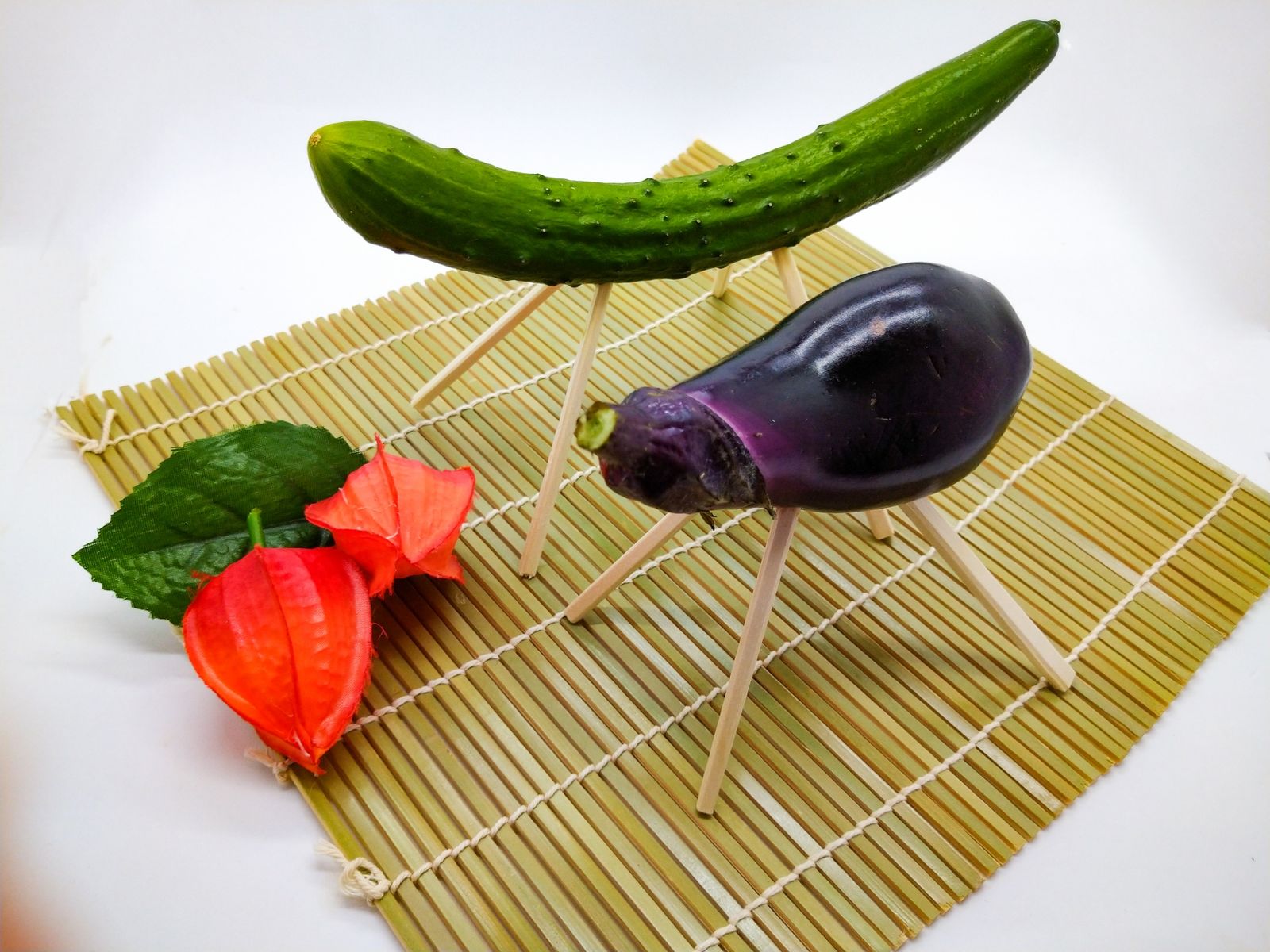
Obon is a Buddhist custom, centuries old, built around a lovely idea: that once a year, the spirits of your ancestors come home to visit. Families light small welcoming fires (mukaebi) to guide them in, clean the family graves, set out offerings, and then, a few days later, light send-off fires (okuribi) to see them back off again.
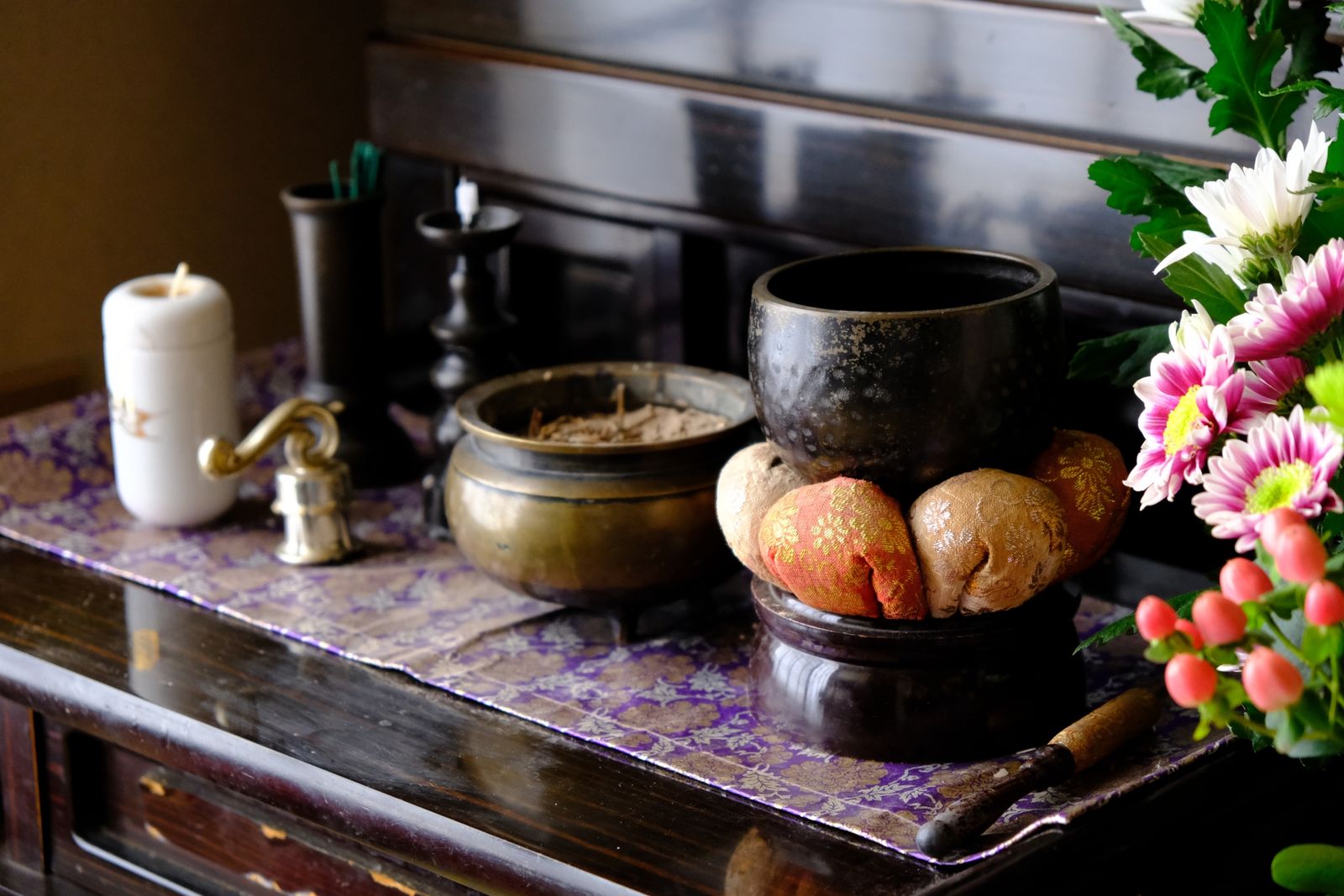
At home, the welcome centres on the family altar. This is a butsudan dressed for Obon: an orin bell resting on its brocade cushion with its striker laid in front, a brass incense burner, a white candle, and chrysanthemums with hypericum berries, all over a purple-and-gold cloth.
In 2026, most of the country observes it from around August 13 to 16, with the heart of it on the 13th to the 15th. There are exceptions worth knowing: Tokyo and parts of eastern Japan keep the older mid-July timing (July 13–15), and Okinawa follows the lunar calendar, landing near August 26–28 this year. For a traveller, the dates that matter most are that mid-August stretch.
The part that surprises visitors: everyone travels at once
Here's the thing that trips people up. Obon isn't a formal national holiday, yet most companies close for it, so millions of people head back to their hometowns all in the same few days. Together with New Year and Golden Week, it's one of Japan's three great travel crushes. Mountain Day, a real public holiday on August 11 (a Tuesday in 2026), sits right before it and stretches the break even longer.
What that means on the ground: from August 7 to 16, every Nozomi bullet train on the Tokaido and Sanyo lines runs as all-reserved seating — there's no unreserved car to squeeze into. Reserved tickets go on sale at 10am exactly one month before the travel date, so a seat for August 13 opens on July 13. The outbound rush peaks around August 8 and the 11th to 13th; the return wave crests on the 15th and 16th. My honest advice is simple: if your trip crosses these dates, book your trains and hotels early, and reserve your seats the moment they open.
Cities stay perfectly workable, by the way. Trains, subways, airports, convenience stores, department stores and chain restaurants all keep running — you won't be stranded. It's the little family-run places that tend to shut around the 13th to 16th, so that tiny soba shop you had your eye on might have the shutters down. Worth having a backup in mind.
Why you might actually want to be here
For all the logistics, I'd never tell you to avoid Japan at Obon. It's the country showing a side of itself you don't otherwise see.
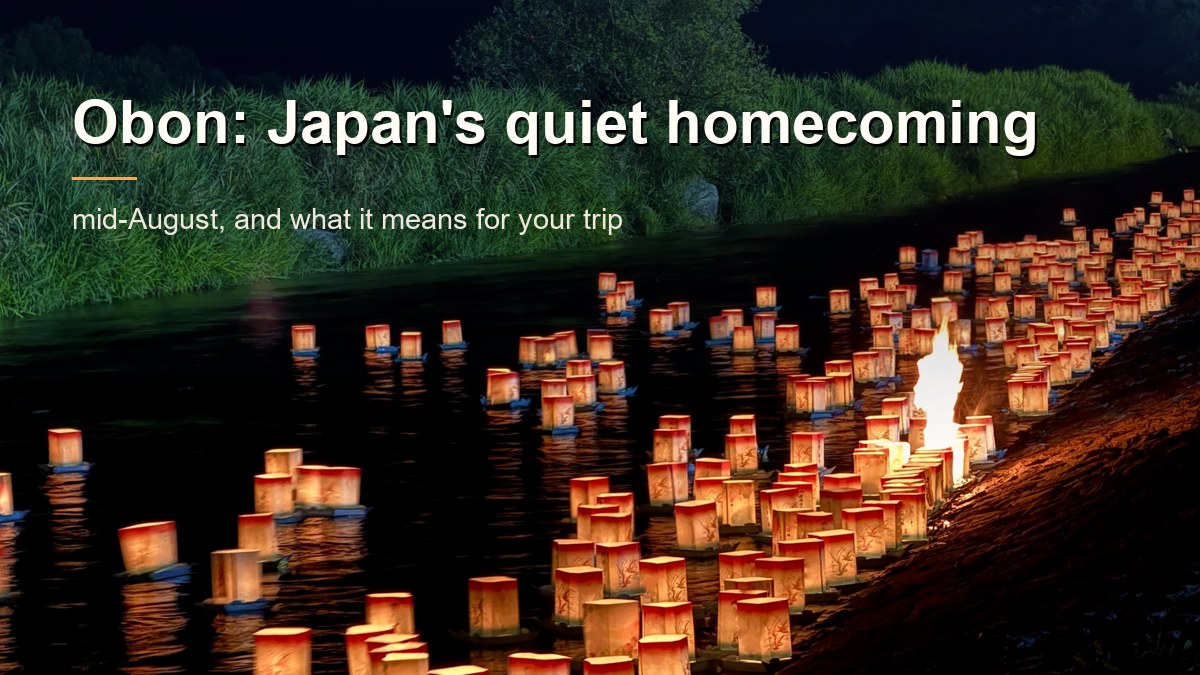
The evenings are the reward. All over Japan, towns hold Bon Odori — folk dances in a big circle, taiko drums keeping time, free for anyone to join. You don't need a costume or a clue; you slip in behind someone and copy their hands. In some places people float paper lanterns down the rivers (toro nagashi), each little flame carrying the spirits home. And on the evening of August 16, Kyoto lights the Gozan no Okuribi — five giant fires blazing on the mountainsides above the city, a farewell that's been burning every summer since roughly the 13th century.
Close to us in central Japan, you're spoiled for it. Up in the Gifu mountains, the little town of Gujo dances right through Obon in its famous all-night summer festival, and the warm nights are also the season for cormorant fishing by firelight on the Nagara River. Just be ready for the heat — mid-August is the fiercest of it, so it's worth reading how the locals stay cool before you come.
So: if your dates land on Obon, don't panic, and don't cancel. Just plan a little further ahead than usual, and leave room in one evening to stand in a circle of strangers and dance. That's the memory you'll take home.
Planning a trip around central Japan? See the small-group days we run from Nagoya.
Browse all toursDid you enjoy this story?