What is the Tokai region? Meet Aichi, Gifu and Mie — the three prefectures we call home
By Trip Japan YLP Editorial TeamPublished by Trip Japan YLP
In this article
You'll spot the word everywhere once you start planning a trip to central Japan. The "Tokai" weather forecast. Tokai this, Tokai that on the signs at the station. And sooner or later you'll wonder: what is the Tokai region, really, and which prefectures does it actually cover?
Fair question. Even people who live here will give you slightly different answers, so let me untangle it honestly.
What is the Tokai region, and which prefectures count?
Here's the thing nobody tells you up front: Tokai isn't an official prefecture or a line on a government map. It's a nickname for a stretch of central Japan that faces the Pacific, tucked inside the larger Chubu region. Because it's informal, the edges are a little blurry.
In everyday use, and this is how we and most people around Nagoya mean it, the Tokai region is three prefectures: Aichi, Gifu and Mie. You'll hear them called the 東海三県, the "three Tokai prefectures." On some Japanese maps you'll also see Shizuoka folded in, which makes four. Both are "right"; people just draw the circle a bit differently. The name itself is old, borrowed from the Tokaido, the historic coast road that once linked Kyoto with Edo (today's Tokyo).
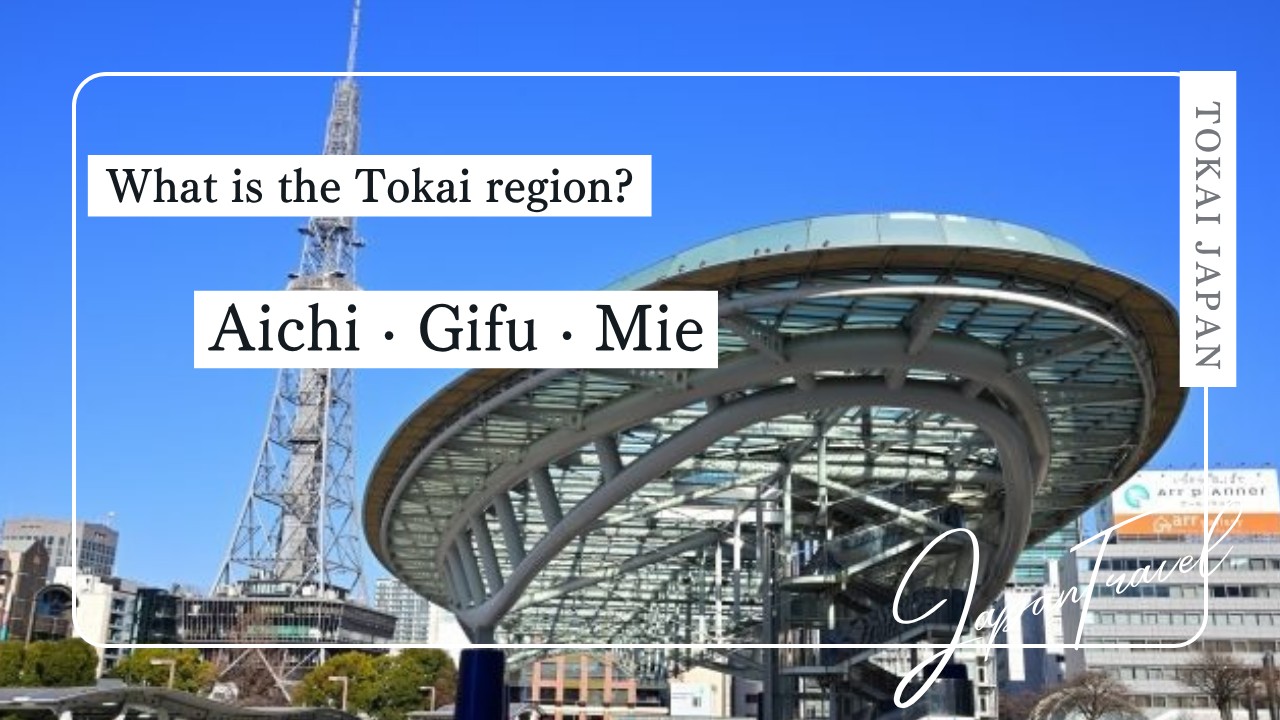
When we say Tokai, we mean those three: Aichi, Gifu, Mie. Nagoya, Aichi's big-hearted capital, sits right in the middle and ties them together.
Aichi, Gifu and Mie, one breath each
They're neighbours, but they don't feel the same, and that's the fun of it.
Aichi is the engine room. Nagoya is its hub: castles, broad avenues, and the manufacturing muscle that built Toyota. Stand in front of Nagoya Castle, golden shachihoko glinting on the roof, and you get the city in one glance: proud, practical, a little underrated.
Gifu is where you go to breathe. Head north and the land folds up into mountains, thatched-roof villages and old post towns. This is Shirakawa-go, buried in winter snow, and the wooden lanes of Takayama. Slow, green, deeply Japanese.
Mie is the quiet, spiritual one, with the sea in its bones. It's home to Ise Jingu, the most sacred shrine in the country, plus pearl divers, oyster bays, and the mossy cascades of the Akame 48 Waterfalls. Fewer crowds, more soul.
Where it is, and how you reach it
Picture the middle of Japan's main island, on the Pacific side. That's roughly you. Nagoya is the gateway, and it's wonderfully easy to reach.
Most international visitors land at Chubu Centrair, the region's main airport, built on an island just off Tokoname in Aichi. From there a train slips you into Nagoya in under half an hour. Coming from elsewhere in Japan? The Tokaido Shinkansen stops right at Nagoya, about an hour and forty minutes from Tokyo on the fastest service, and less than that from Kyoto and Osaka. Once you're in Nagoya, all three prefectures are an easy day trip away.
When to come
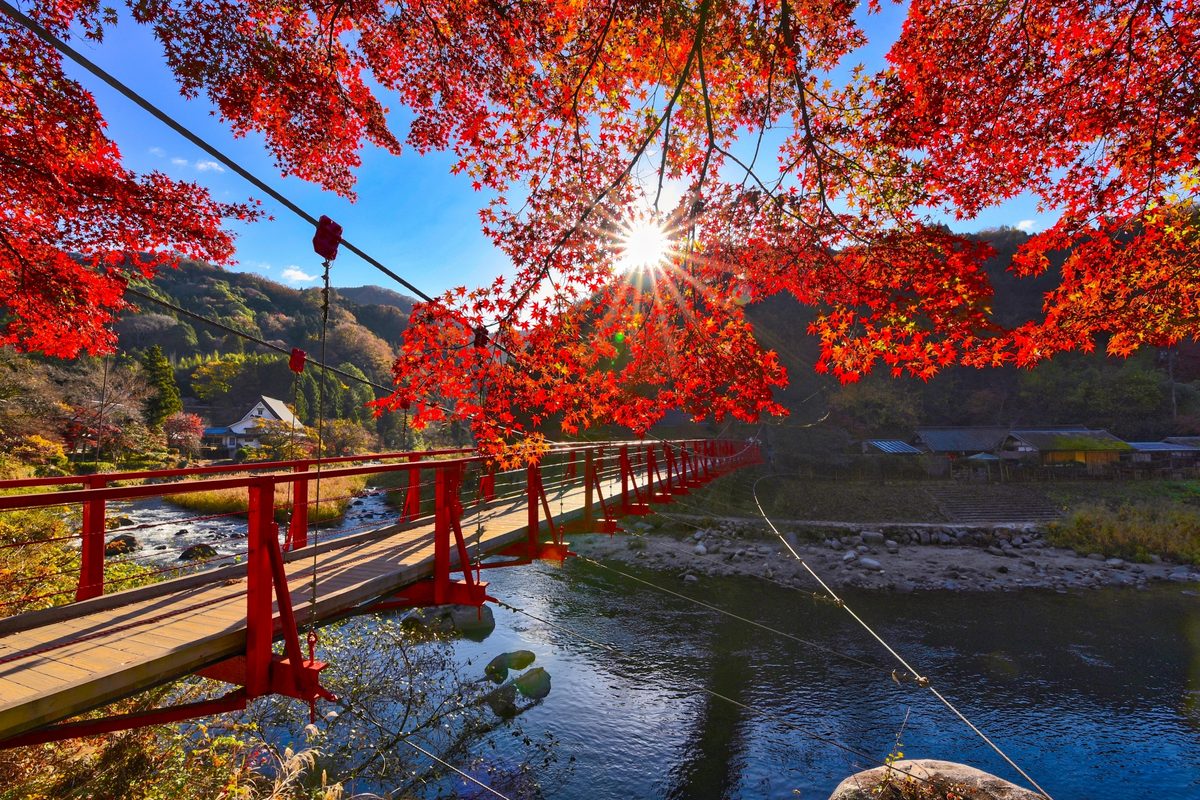
Honestly, there's no bad time; each season hands you a different version of the place. Cherry blossoms in spring, fiery maple leaves in autumn, Shirakawa-go under deep snow in midwinter. Even the rainy stretch in June has its quiet magic, which we made the case for in our note on the rainy season.
So that's Tokai: three prefectures, one warm corner of Japan, and far more variety than its modest name lets on. Come and see which one steals your heart. Our money's on all three.
Planning a trip around central Japan? See the small-group days we run from Nagoya.
Browse all toursDid you enjoy this story?