Genmaicha vs matcha: Japan's 'popcorn tea' and the powder at the other end of the shelf
By Trip Japan YLP Editorial TeamPublished by Trip Japan YLP
In this article
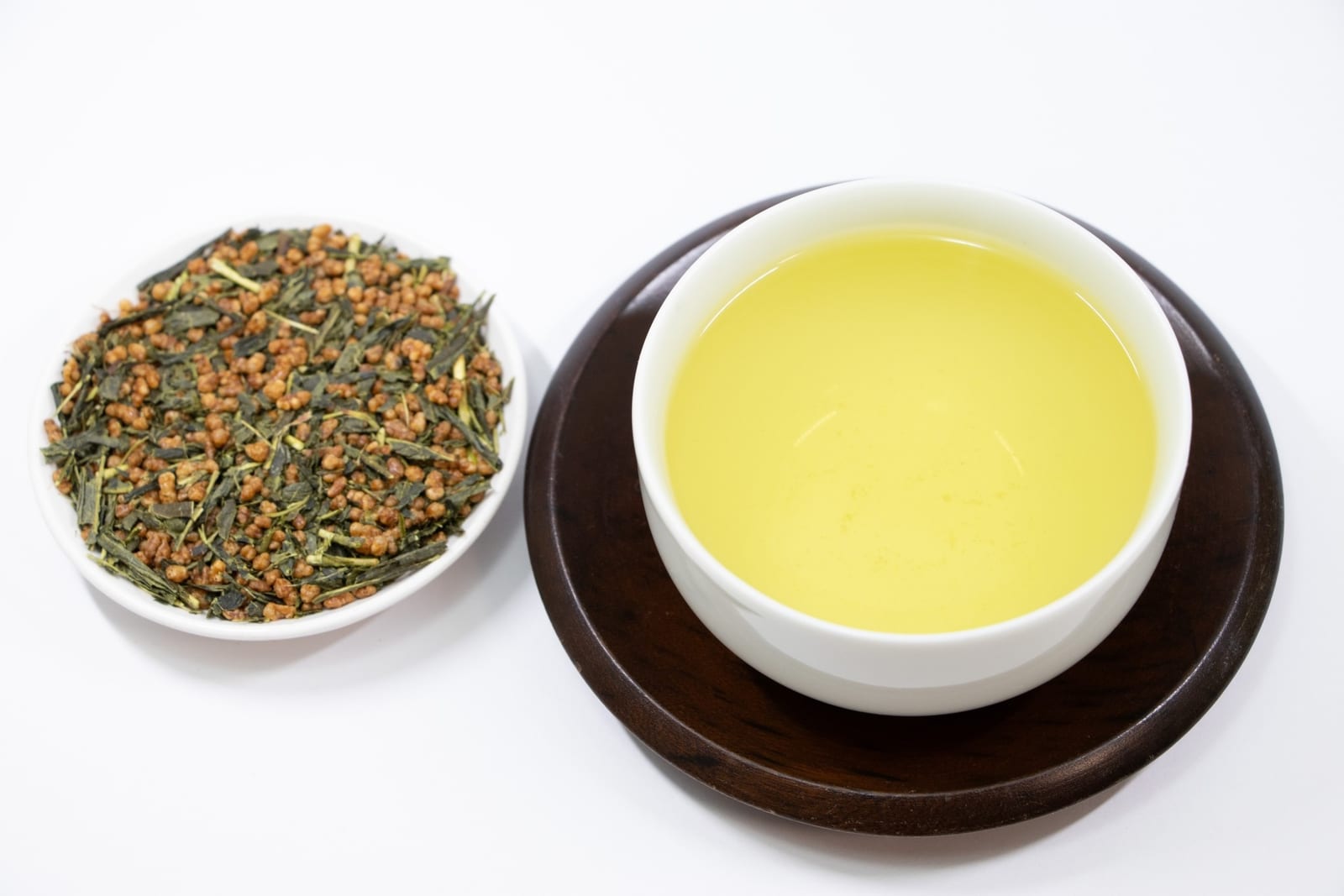
You never ordered it. You sat down at a Japanese restaurant somewhere, and a cup of "green tea" arrived anyway. It smelled warm and toasty, almost like something baking. And at the bottom, a few plump, pale grains were drifting around.
Those grains are rice. The tea is genmaicha, which English-speaking tea shops often call brown rice green tea, or, more fun, popcorn tea. If matcha is the tea you whisk and treat with a little ceremony, genmaicha is the one that shows up without being asked. They live at opposite ends of the same shelf.
What's actually in the cup
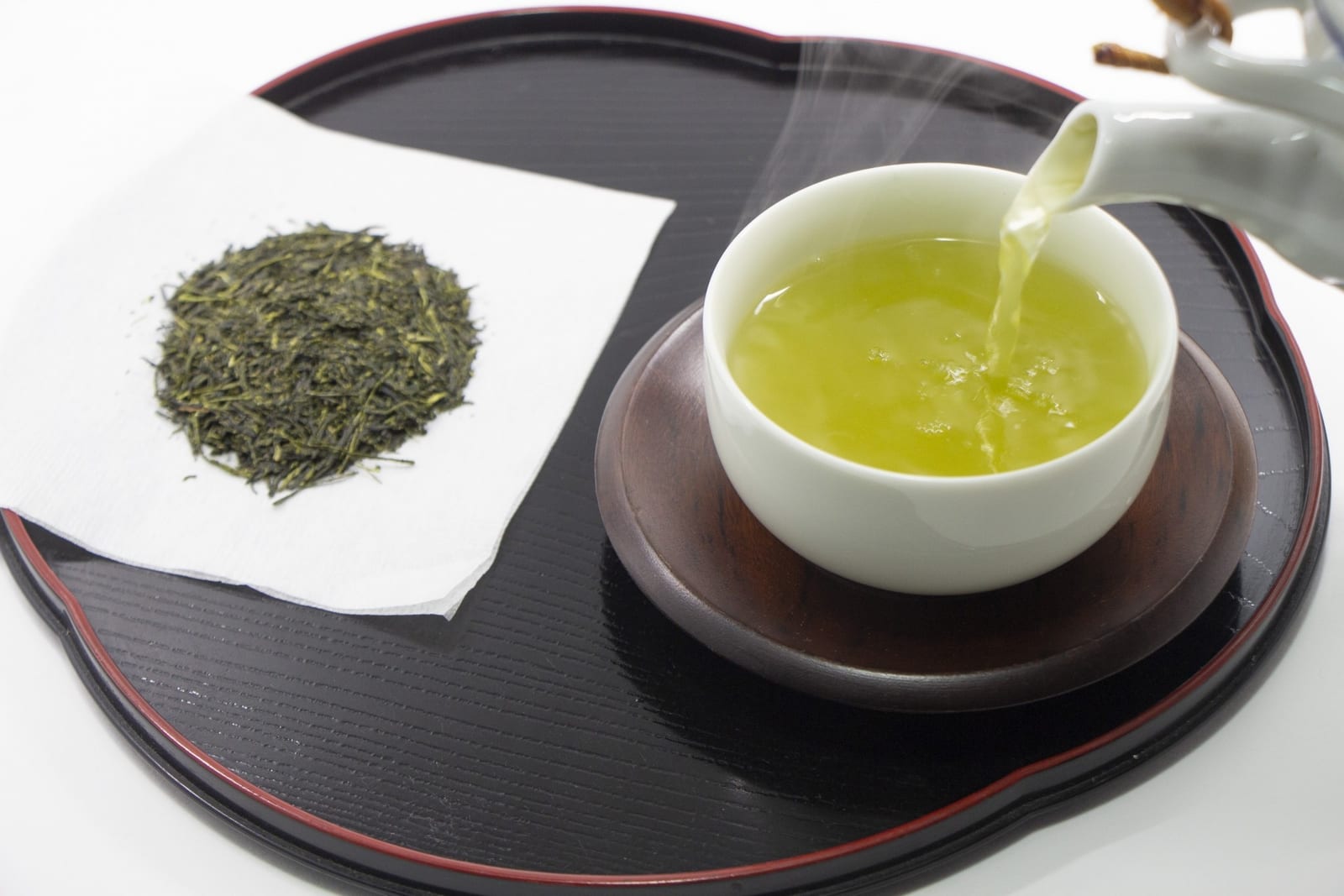
Genmaicha is ordinary Japanese green tea, usually bancha or sencha, mixed with roasted rice. Bancha is the coarser, later-picked leaf. It goes through the same steaming and rolling as sencha, a process we walked through in how green tea is made, and sencha is the everyday steeped leaf. Matcha comes from a very different place: young leaves grown under cover, never rolled, ground into a powder you drink whole (we compared the two in sencha vs matcha).
The mix is often said to be roughly half tea and half rice, though it varies from product to product.
Now the popcorn part. When the rice is roasted, some grains burst open and turn white and puffy, which is exactly where the English nickname comes from.
And here's a small surprise hiding in the name. Genmai means brown rice, but the rice in genmaicha is often polished white rice that's been steamed and roasted, or sometimes glutinous rice. The usual explanation is that real brown rice, with its skin on, scorches easily and its flavour can overpower the tea. So the name and the contents don't quite match. Tea has plenty of those.
As for how it began, nobody has a firm record. One story that gets told in Kyoto goes like this: a tea merchant took pieces of kagami mochi (the hard rice cakes that get broken up in the New Year) and roasted them into the tea. Treat it as a folk tale, a charming one.
Why it smells like toasted rice
The smell comes from the rice, and it's the toasty note of something baked, or of the golden crust at the bottom of a pot of rice. The tea leaf itself isn't roasted, so the tea part stays green. In the cup, genmaicha usually comes out pale yellow to yellow-green, a lot gentler-looking than the deep green of matcha.
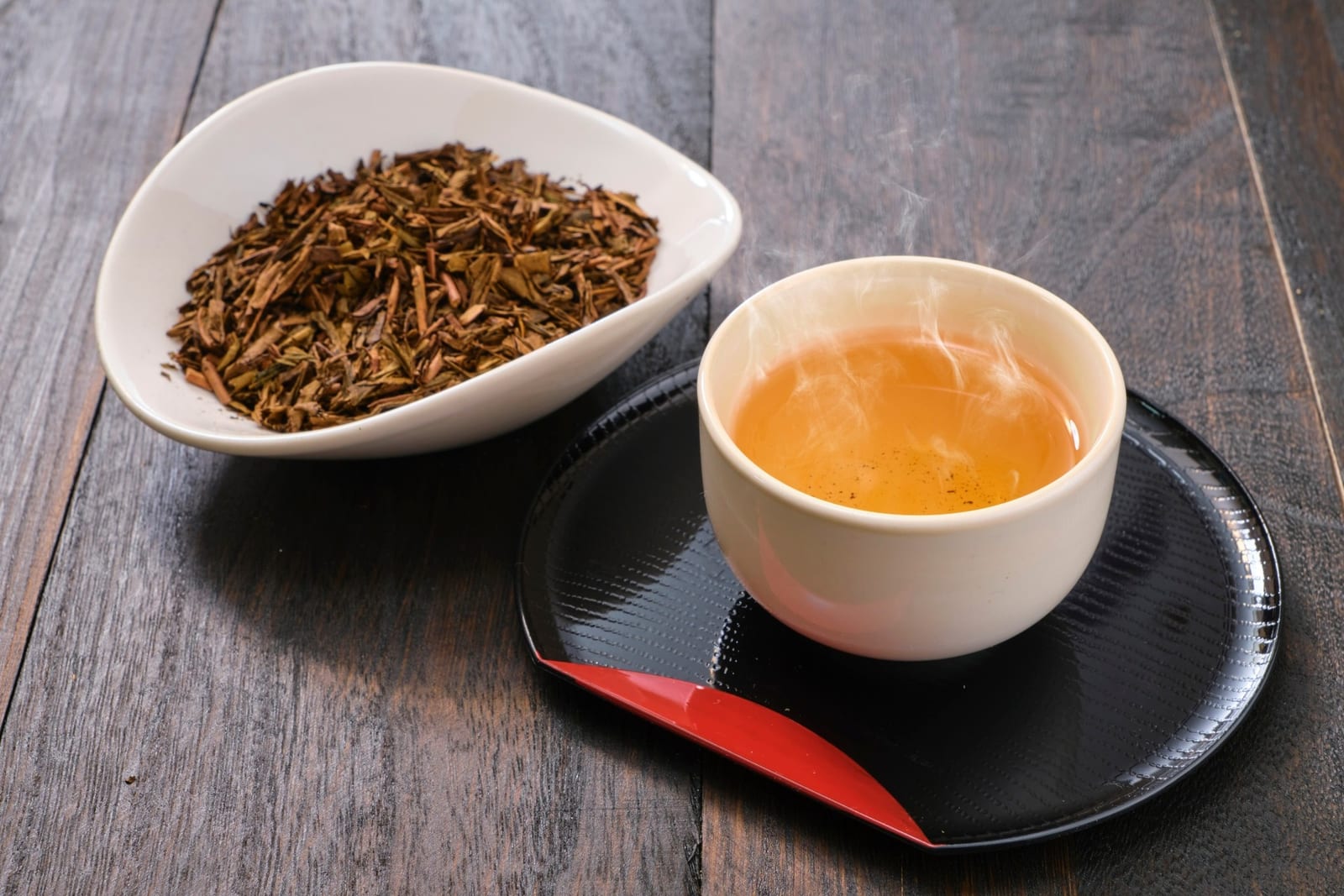
That makes it a cousin of the roasted tea we covered in hojicha vs matcha. Both are about fire. The difference is a single question: do you roast the leaf, or do you roast the rice? Hojicha roasts the leaf and turns brown. Genmaicha roasts the rice and mixes it in, so the leaf stays green. (There are genmaicha blends built on a hojicha base too, which just mixes the two ideas.)
Caffeine and price, honestly
The caffeine question is one we can only answer with logic, not numbers, so we won't print any. The reasoning people give is simple: roughly half of what's in the cup is rice, so there's less tea leaf by volume, and that's why genmaicha is said to be on the lighter side. Matcha is on a different footing entirely, because you drink the whole ground leaf. We're not saying anything about health here, just the arithmetic of what's in the cup.
Price follows the same logic. Genmaicha sits among the more affordable Japanese teas, built as it is on everyday leaf. Matcha is at the other end, where growing under cover and grinding take a lot of work.
When the two ends meet in one bag
Here's the part we like best. In Japan, the cheapest-feeling tea and the fanciest-feeling one are happy to share a bag.
It's called matcha-iri genmaicha, meaning genmaicha with matcha in it. Matcha powder is dusted over the genmaicha, and the liquid turns a much brighter green, with the toasty rice smell now carrying a little of matcha's depth. Shops across Japan sell it as an ordinary product, nothing special about it. If you're curious about the powder side of the story, what matcha actually is is a good place to start. This is probably matcha at its least fussy.
Where you'll meet it, and how to brew it
In Japan you'll bump into genmaicha in a lot of everyday places: as a teabag in a hotel room, as a bottle or powder stick at the convenience store, and as the cup that follows a meal at a Japanese restaurant. Abroad, it's often what turns up when a Japanese restaurant says "green tea".
It's easy to brew. Use hot water, close to boiling (around 95°C is the usual guidance), and steep for about 30 seconds to a minute. Leave it much longer and it turns astringent. That makes it forgiving. It also makes an easy gift for friends who find plain green tea a little grassy: the toasty smell is gentle, and the grains floating in the cup tend to start a conversation.
You can also play at home: mix sencha with roasted rice, around one spoonful of each to start with (recipes vary). Autumn is also when new rice comes in across Japan, so a rice-in-your-tea story is a good fit for September and October.
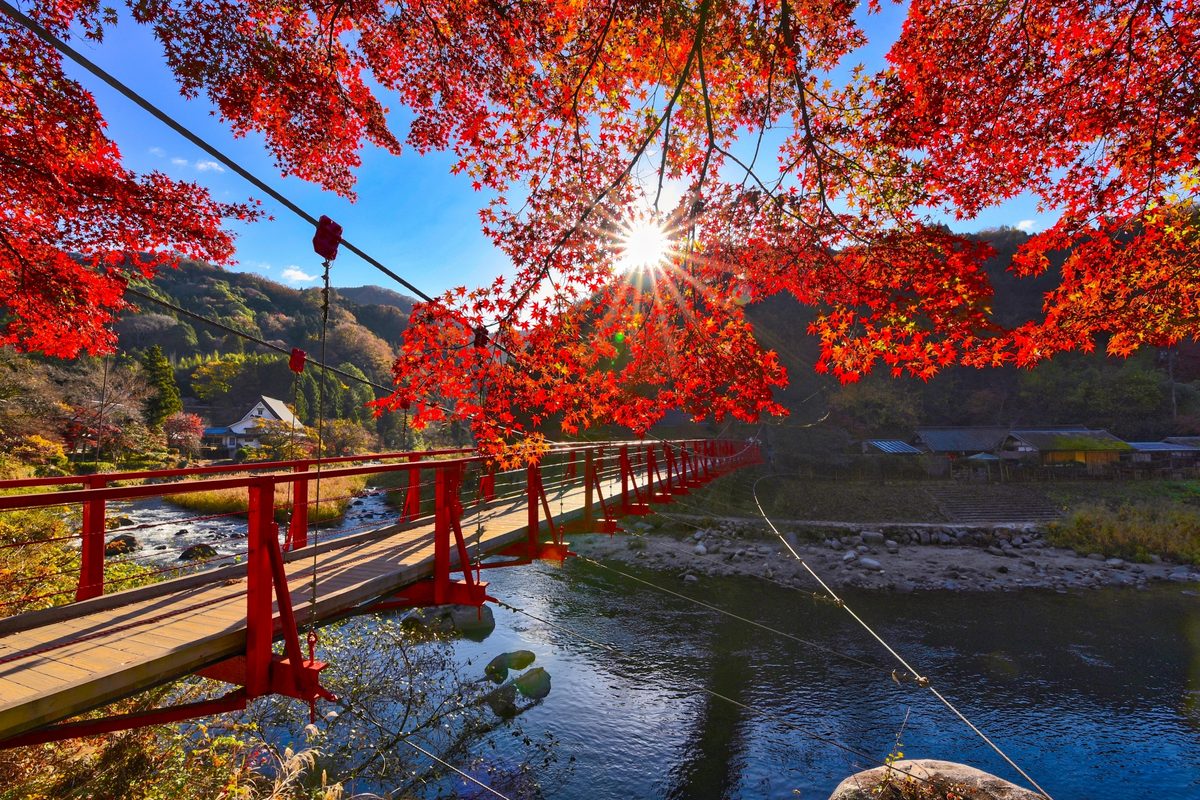
One last thought, about where bancha really lives. In a tea-growing area like Shizuoka's Kawane, in the upper reaches of the Oi River, the prized early leaf is what goes to the shop shelf as sencha. The later, plainer leaf is the one said to end up in the farmhouse kitchen, in the everyday pot. Genmaicha is the kitchen-side way of drinking it, with a handful of toasted rice to make it taste like home. If you want to wander around Japan's other tea country, we've sketched out Japan's tea regions.
So next time a grain of rice drifts to the bottom of your cup, you're drinking the most everyday tea in Japan, a long way from the ceremonial bowl. And if the bag says matcha-iri, well, then you're holding both.
Planning a trip around central Japan? See the small-group days we run from Nagoya.
Browse all toursDid you enjoy this story?