Japanese tea through the seasons: from the first spring flush to a cold summer pour
By Trip Japan YLP Editorial TeamPublished by Trip Japan YLP
In this article
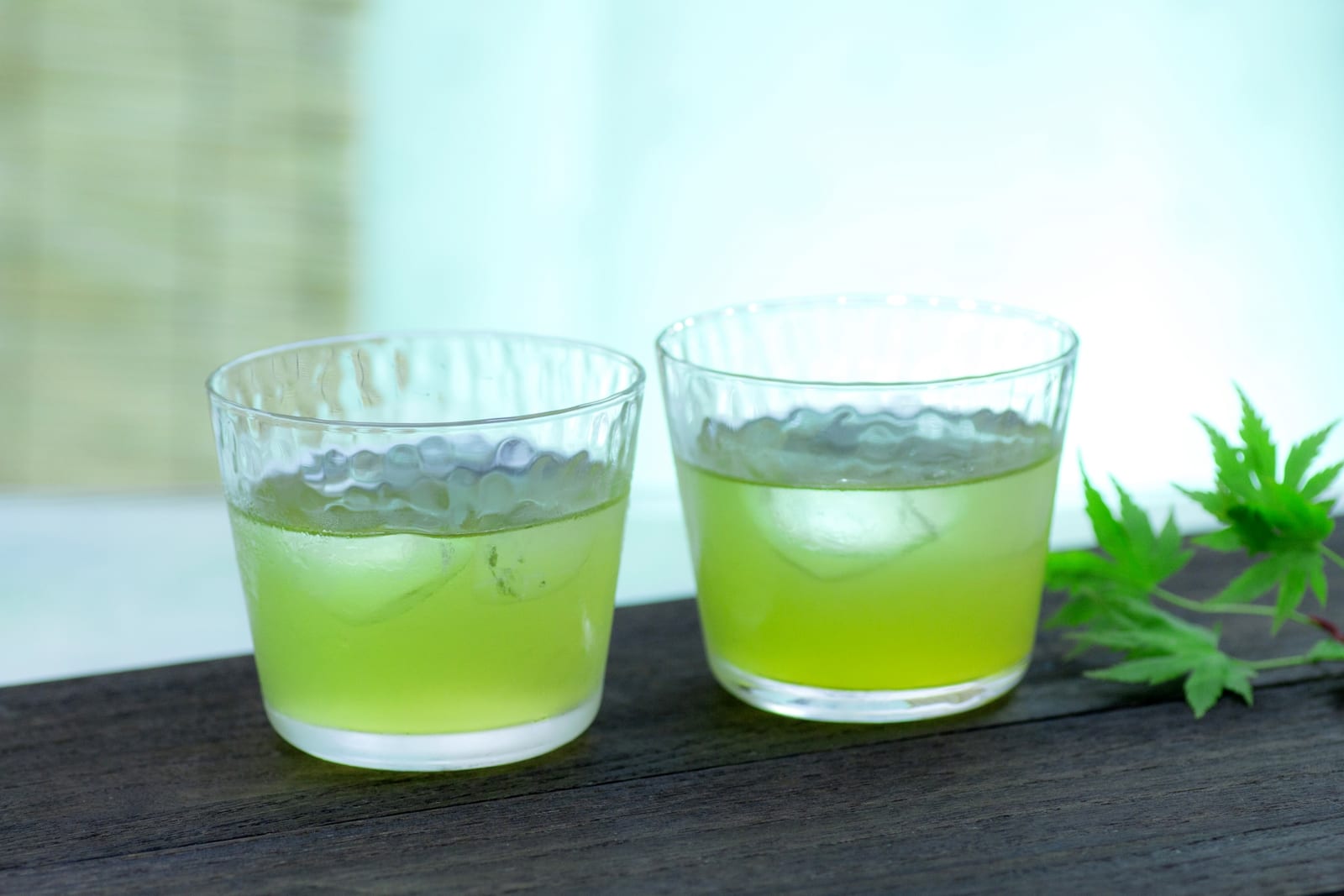
It's the middle of summer as I write this, Nagoya is doing its usual thing — hot, sticky, no mercy — and the nicest thing in my fridge right now is a jug of green tea I never boiled. Just leaves and cold water, left overnight. If you've only ever had green tea hot, that cold jug is a doorway into a whole other side of it. Because Japanese tea, it turns out, has seasons. The same leaves you love in spring taste like a different drink in August.
Let me walk you through the year.
Spring: the first flush, and a very old superstition
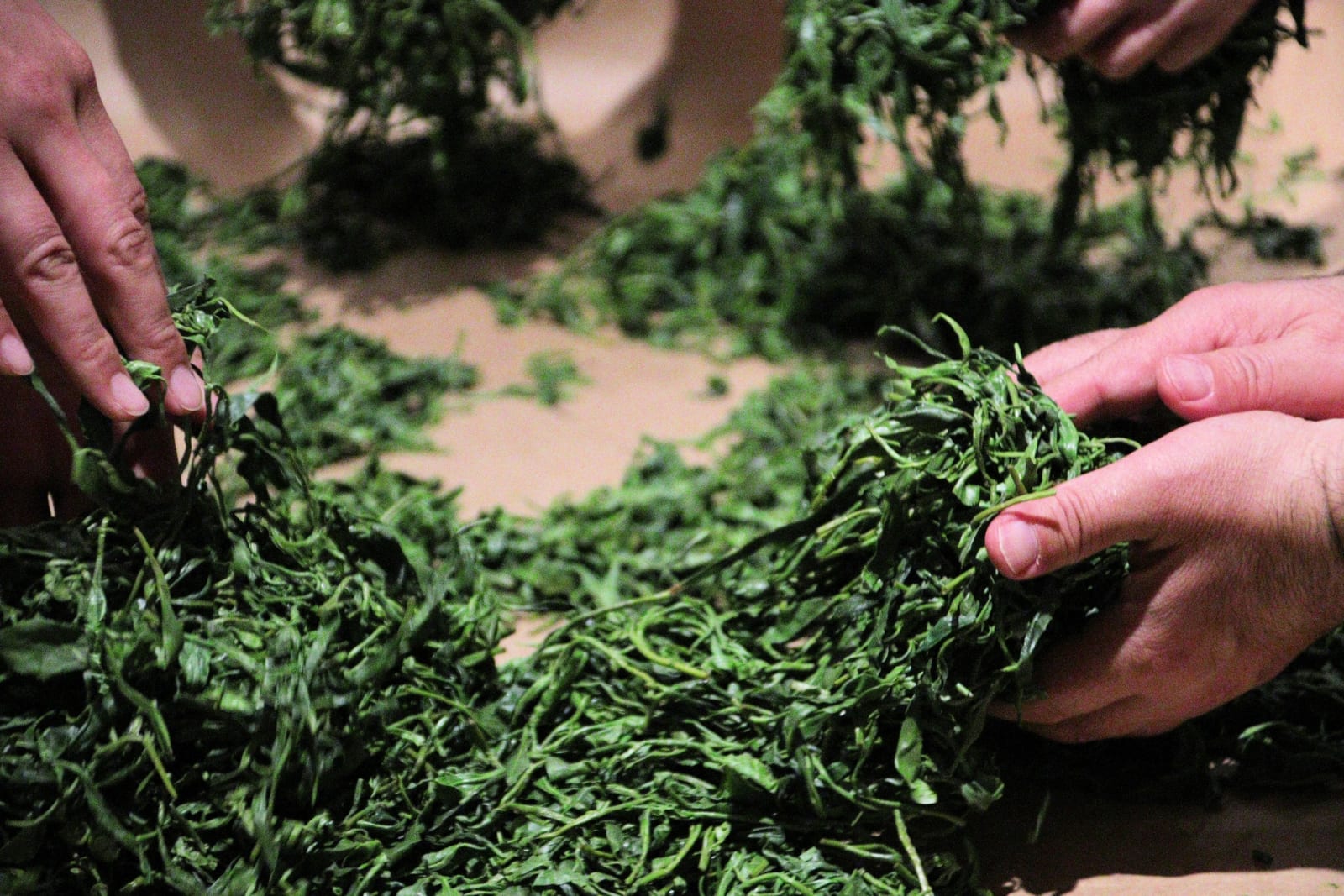
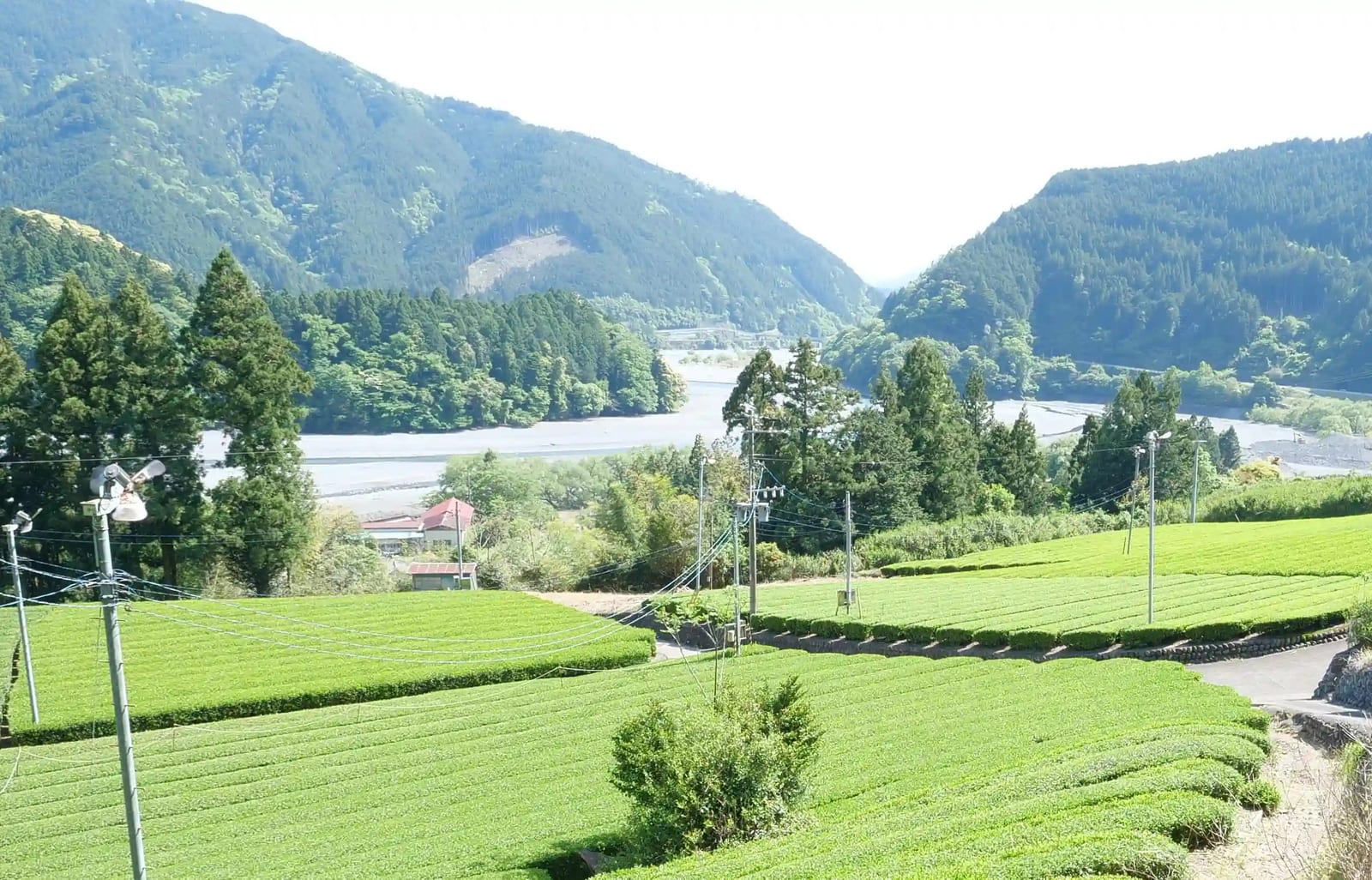
The tea year really begins with ichibancha — the first flush, the season's opening harvest. The bush spends all winter quietly storing up sweetness, and when the new shoots finally push out, they're full of it. That first pluck becomes shincha, "new tea": fresh, grassy, a little sweet, and gone almost as fast as it arrives.
There's a date the tea world watches for: hachijuhachiya, the "eighty-eighth night." Count eighty-eight nights on from risshun, the old calendar's first day of spring, and you land around the very start of May. Tea picked around then carries a lovely bit of folklore — drink it, the saying goes, and you'll have a year of good health. Whether or not you buy that, shincha really is the tea at its most alive.
Early summer: the second flush
Come around June, the bush pushes out fresh growth again, and that's nibancha, the second flush. It's a touch stronger and more robust, a little less delicate than the first — the honest everyday tea, the one that fills most bottles and teapots through the year. Less romance, more reliability. I have a soft spot for it, honestly.
High summer: the cold pour
Now we're back at that jug in my fridge. Here's the small magic of it: steep green tea in cold water instead of hot, and the leaf gives you a completely different cup. The bitter, brisk parts — the catechins, the caffeine — are shy in cold water and mostly stay locked in the leaf. What comes out instead is the sweet, savoury side, the umami. So a cold-brewed green tea tastes rounder and gentler, and carries noticeably less caffeine than the same leaves in hot water.
On a 35-degree afternoon, it's the most refreshing thing I know. Leaves and cold water in a jug, a few hours in the fridge, and that's genuinely all there is to it. Try it once and the summer changes a little.
Autumn: a tea that's had time to settle
And here's one most people miss entirely. Some of that bright spring tea doesn't get drunk in spring at all. It's kept cool and quiet for months and released in autumn, once it's mellowed and rounded out — kuradashi, "brought out from the storehouse." The sharp green edges of youth soften into something deeper and calmer. It's the spring harvest, grown up a little. A perfect cup for the first cool evenings.
So that's the year in a teapot: the eager first flush of spring, the steady second, the cool umami of a summer jug, and the quiet depth of autumn. One plant, four moods.
If you've enjoyed following along, the earlier chapters are right here — how tea reached Japan in the first place, why sencha and matcha part ways, and how a leaf becomes tea. For now, do yourself one small favour this week: leaves, cold water, overnight. Then tell me it isn't the best thing in your fridge. See you out there.
Planning a trip around central Japan? See the small-group days we run from Nagoya.
Browse all toursDid you enjoy this story?