Kawane and the Ōi River valley: Shizuoka's tea country, a steam train, a lake bridge and a station on the water
By Trip Japan YLP Editorial TeamPublished by Trip Japan YLP
In this article
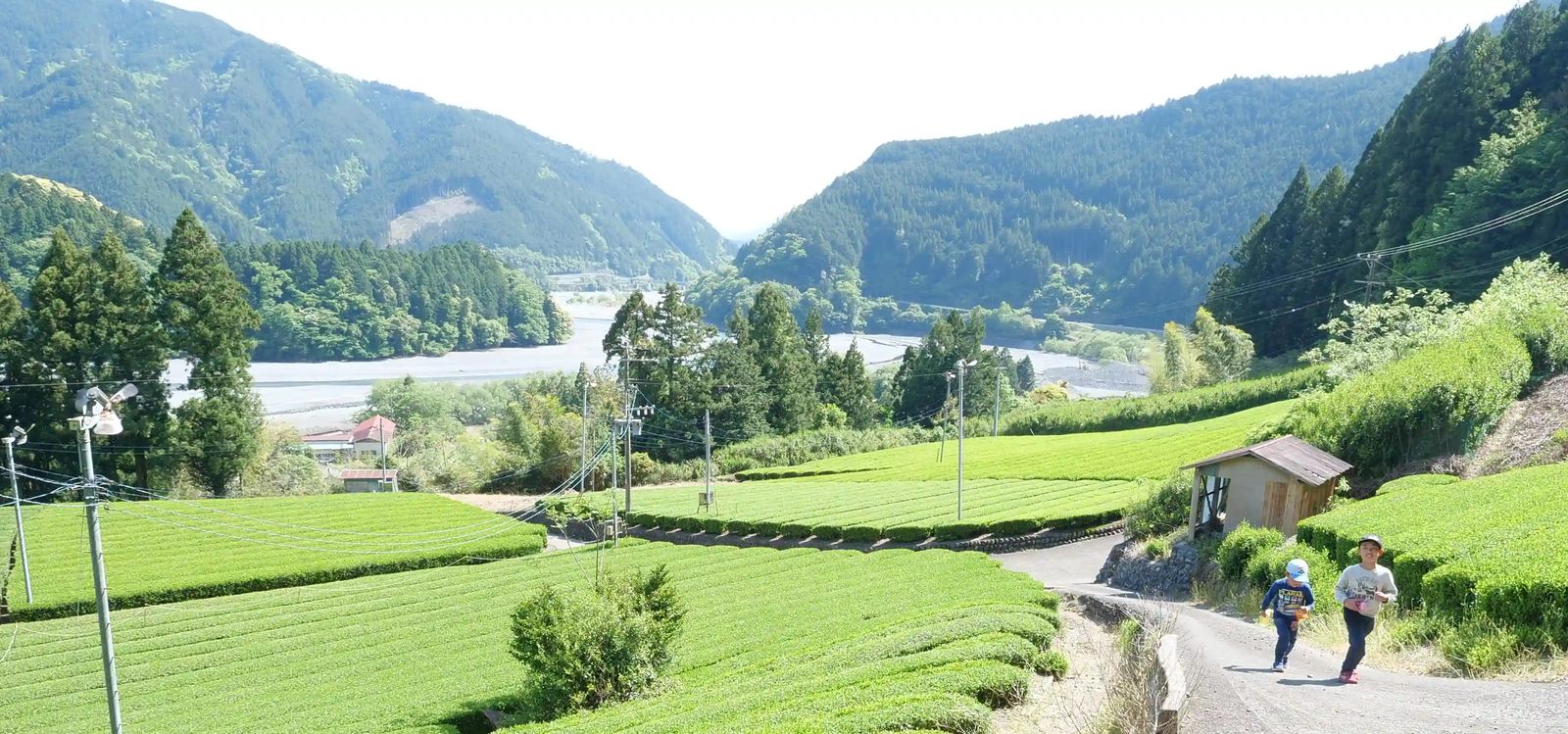
Step off the Shinkansen at a station where only the slow Kodama stops. Change to a local train. Follow a river upstream, and the tea fields begin to climb the hillsides in steps, the water turns a strange jade green, and somewhere up the valley there's a station that appears to float on a lake.
That's the Ōi River (Ōigawa) valley in Shizuoka, and the area at its heart is Kawane. It's about an hour or so from Nagoya on the Shinkansen, and almost no foreign visitors seem to make the detour.
This guide covers the places you can reach on your own: the steam train, the suspension bridges, a hot spring with a very good view, and a museum on a tea hill. Where the trains run and where they don't changes more here than almost anywhere in Japan, so you'll find "check the official page" more than once. We mean it. The train and road information below is as of 11 November 2026.
Where Kawane is, and how to get in
Kawane sits in central Shizuoka Prefecture, in the upper reaches of the Ōi River. From Nagoya or Tokyo, take the Tōkaidō Shinkansen (a Kodama, the slow one) to Kakegawa Station. Nagoya is roughly an hour and a bit away, Tokyo closer to an hour and fifty minutes. Then the JR Tōkaidō Line a few stops to Kanaya, where the Ōigawa Railway begins. The two railways share the same station, and you change by walking along the platform.
Here is the part that matters, and it's current as of November 2026. Ōigawa Railway's main line has been cut since the typhoon of 2022. Trains run from Kanaya as far as Kawane Onsen Sasamado. The stretch from there to Senzu, the old gateway to the upper valley, is closed. The railway's own timetable page tells you to change at Ieyama or at Kawane Onsen to a town bus, and it says plainly that bus and train connections are not guaranteed. The page gives no reopening date, and neither can we.
So the valley splits into two. Near Kanaya, the main line, the steam train and the hot spring are easy. Up past Senzu, Sumatakyō and the Ikawa line are a longer day of changes, and most people find one night in the valley makes it comfortable. A one-day trip along the main line, or a night at Sumatakyō for the rest: that's the shape we'd suggest.
A small note on names, because maps and signs use them loosely. People say Kawane for the whole stretch of valley, but officially the upper valley is Kawanehon Town (Kawanehoncho on the town's own signs), a separate municipality. The old town of Kawane next door has been part of Shimada city since 2008. You'll see both on the way.
And a note on payment. In cities, a transit IC card (we cover them in our IC card guide) pays for almost everything. On this railway we couldn't find the operator saying it accepts them, so bring cash. Tickets are sold at the staffed stations. Credit cards are accepted at the Plaza Loco shop and at Kanaya, Shin-Kanaya, Ieyama and Senzu stations during staffed hours, and not at the other stations.
The steam train from Kanaya
The classic image of this valley is a steam locomotive pulling old carriages past tea fields, and it's still real, with a twist. The black steam locomotive in most older photos is resting right now. The railway's FAQ says it is out of service for maintenance and modification, with no restart date, and points to its electric-locomotive express trains instead.
What runs as steam today are Thomas and Percy, the children's-story engines. Their trains leave from the Kanaya and Shin-Kanaya end of the line (Shin-Kanaya is one stop, about four minutes, from Kanaya, and that's where the railway's steam centre is). The route on the official page is Kanaya to Ieyama and Kawane Onsen Sasamado. Not to Senzu. If you've seen older photos of steam trains crossing the upper valley, that's the line as it was.
Which days? We read the official calendar on 11 November, and it can change, so use this as a guide and look again before you go. In November, Percy runs on most days, but not on the 10th or the 16th to 19th. Thomas appears only on the 20th and the 24th to 27th. In December, Thomas runs on the 6th, 7th, 11th, 12th, 14th, 18th, 20th, 21st and 24th to 27th, with Percy on many of the other days and several days with no run at all. The calendar shows Thomas ending on 27 December, and from January to March it lists Percy only.
There is also Toby, which runs on the Senzu side, from Senzu to Okuizumi and back, 7.5 km, two trips a day. On the official calendar it appears on 12, 13, 19, 20 and 24 to 27 December, with an adult ticket listed at 2,000 yen. Toby is a diesel locomotive, as reported, not a steam one, so don't go for the smoke. You'd reach Senzu by bus, since no train comes this far.
Seats are reserved, and Thomas and Percy are booked through the railway's special Thomas site rather than at the window. That site lists a round trip from Shin-Kanaya to Ieyama or Kawane Onsen Sasamado at 6,000 yen for an adult and 3,000 for a child, or 3,000 and 1,500 one way, with the short local hop between Kanaya and Shin-Kanaya included. The electric-locomotive expresses are priced separately (the normal fare plus a 1,500 yen surcharge for adults). Treat all of these as the figures we saw on 11 November, not a promise.
And here's the honest bit, the one time in this article we'll say it. This railway has had a hard few years, and some days certain trains or sections aren't running. A bad-weather day, or a section still waiting for repair, can reshape your whole plan. Look at the operating information the morning you go, and again the night before.
Sumatakyō and the Yume no Tsuribashi
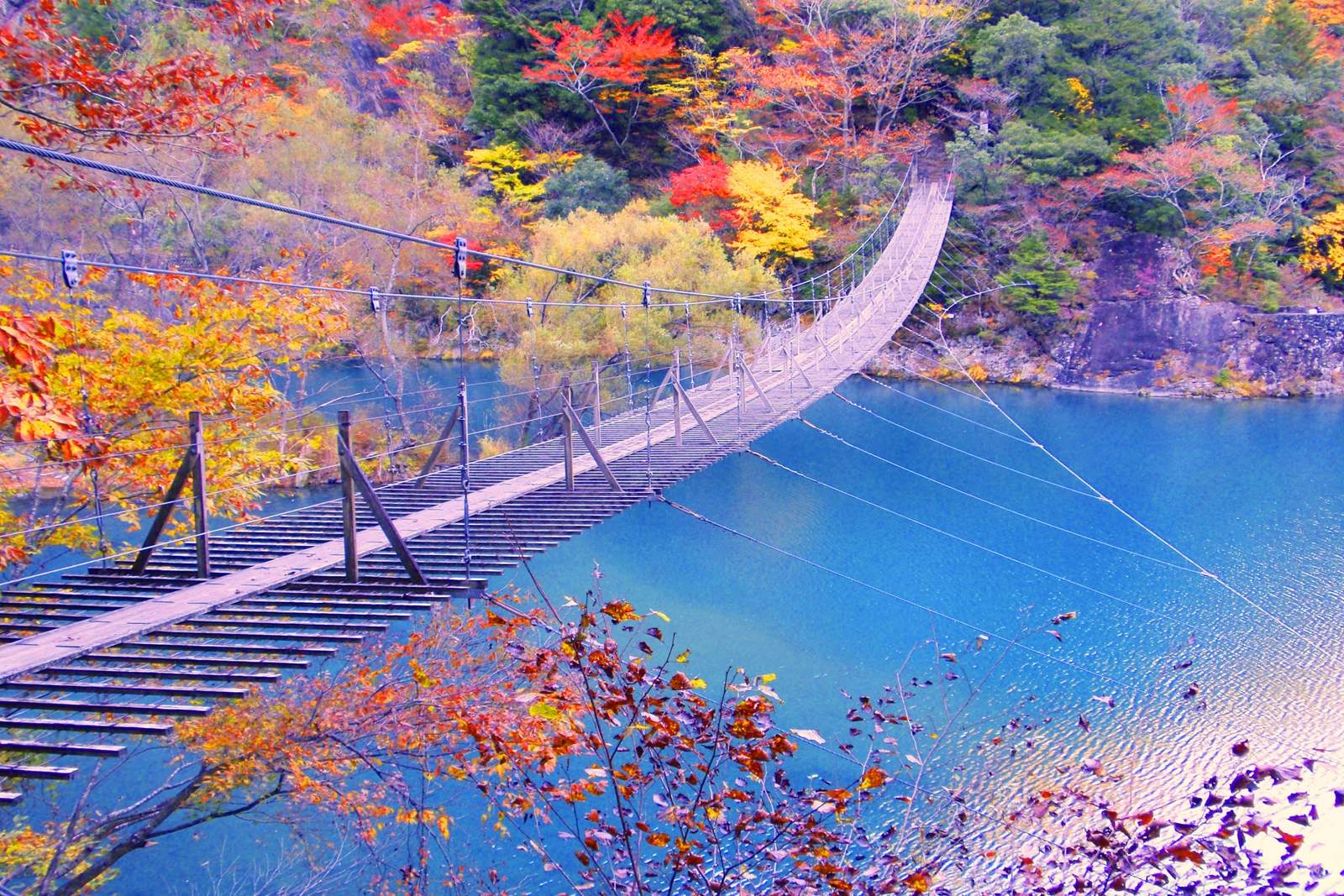
Sumatakyō is a small hot-spring village at the end of a mountain road, and its famous attraction is the Yume no Tsuribashi (the Dream Suspension Bridge). It crosses the green water of Lake Ōma, a reservoir on the Sumata River. It's usually described as about 90 metres long and about 8 metres above the water, and wide enough for one person at a time. We couldn't find official figures for the size or for how many people may cross at once, so those numbers come from travel sites. Most people stop in the middle at least once.
The crowds are the thing to plan around, especially in mid-to-late November, when the colour is usually at its best. The bridge's own site says it goes one-way when it's busy, asks you to cross and head home by 17:00, and warns of waits of up to about 120 minutes at the worst times. For 21, 22 and 23 November, the tourist association has announced numbered tickets. Once the wait reaches around 30 minutes, tickets are handed out at two places in the village, you come back to the bridge at the time on yours, and you go in turn. If the day's tickets run out you may not get across, and the association says holidays can bring waits of two hours. Arrive in the morning, not in the late afternoon.
To get there, you head up the valley by bus from the Senzu area. The figure usually quoted is around 40 minutes, but the departure point, the final stop and the operator are described differently in different places, so check before you leave. From the village, the last stretch is on foot along a promenade where cars aren't allowed. There are slopes and stairs: the official site mentions a steep downhill and 304 steps, roughly 30 to 40 minutes each way from the car park, and no street lights, so wear good shoes and go while it's light. Until 6 December the promenade is open from 7:00 to 17:00 (last entry 16:00) and locked outside those hours. From 7 December, check the tourist association's page.
Two things on the road in. The prefectural road to Sumatakyō, the Kawane-Sumatakyō line, is under construction with timed closures on set days between 28 September 2026 and 15 March 2027. The town updates a schedule every Thursday. And on all eleven weekend and holiday days in November, traffic control is in place at three points before the village, from 9:30 to 17:30. The notices don't say how buses are affected, so look before you book a night. Our autumn leaves guide has a feel for the crowds and how to prepare for them, and for the exact control dates the tourist association's latest notice is the place to look.
From December the valley is cold and the mountain road can ice over, so ask your lodging about conditions before you set out.
If you can stay a night in Sumatakyō's hot springs, the bridge is a different place early in the morning. (If it's your first onsen, our onsen etiquette guide is a gentle start.)
Okuōi Kojō Station and the Ikawa line
From Senzu, the Ikawa line (also called the Minami Alps Abt Line) climbs up the valley. Along it is Okuōi Kojō Station, the station on the lake (the railway's own English name is Oku-Ōi Laketop Station). It opened in 1990, when the line was moved up the slope to make way for a dam. The line crosses a lake bridge nicknamed the Rainbow Bridge, and a footpath beside it leads to a lookout. Visitors' reports put the whole walk and the view at roughly 45 to 90 minutes, depending on how long you linger.
The line has an Abt section, a rack-and-pinion stretch where a special locomotive helps the train up a steep gradient. The railway's English page calls it Japan's only Abt rack railway.
Now the 2026 change, which the railway's English page spells out. Since 1 July 2026 every train on the Ikawa line is reservation-only. An adult pays 3,500 yen (a child 1,750) per journey, however far you ride, and the railway notes this is the price of a package tour rather than an ordinary rail fare. Five trains run each way a day, so plan your day backwards from the timetable, not forwards from the scenery.
You can book online from 30 days before travel until the departure time, around the clock as long as seats are left. On the day, you can also book at a station counter (except Sessokyō Onsen) or on board, if seats remain. A reservation can't be changed, only cancelled and booked again. One early and one late train a day carry an unreserved general car, fare only, with room for about 25, so it can be full. Senzu to Okuōi Kojō is listed at 720 yen for an adult on that car.
If you're driving, the lookout's own car park is closed on most days through 6 December (in November it opens on Wednesdays only). Park instead at Nagashima Park, about 800 metres away, and on 21, 22, 23, 28 and 29 November a free shuttle runs from there to the lookout entrance between 9:00 and 16:00, weather permitting. The town tourist association's notice has the details.
Either side of the break: Shiogō and a hot spring with a view
Two stops, one on each side of the gap in the line.
The Shiogō suspension bridge is a wooden footbridge about 220 metres long over the Ōi River, in Kawanehon Town (not in Shimada city). It's a different mood from the Yume no Tsuribashi, long, open and airy, with the wide river bed spread out below. It lies up the valley beyond the point where trains currently stop, so you'd get there by town bus or by car. Check the stop and timetable. Heights and how many people may cross at once are given differently in different places, so we've left those numbers out.
Kawane Onsen Fureai-no-Izumi is in Sasamado, on the Shimada side of the break and about a five-minute walk from Kawane Onsen Sasamado Station (the current end of the line, in practice). It takes day visitors, and reviewers say you can see the steam train crossing the iron bridge from the open-air bath, if your timing lines up with a run. We couldn't confirm prices, hours or closing days from an official source, and websites disagree, so please check them first. The etiquette is the same as anywhere, and our onsen guide covers it.
Tea time: the museum, the tea house, and the field
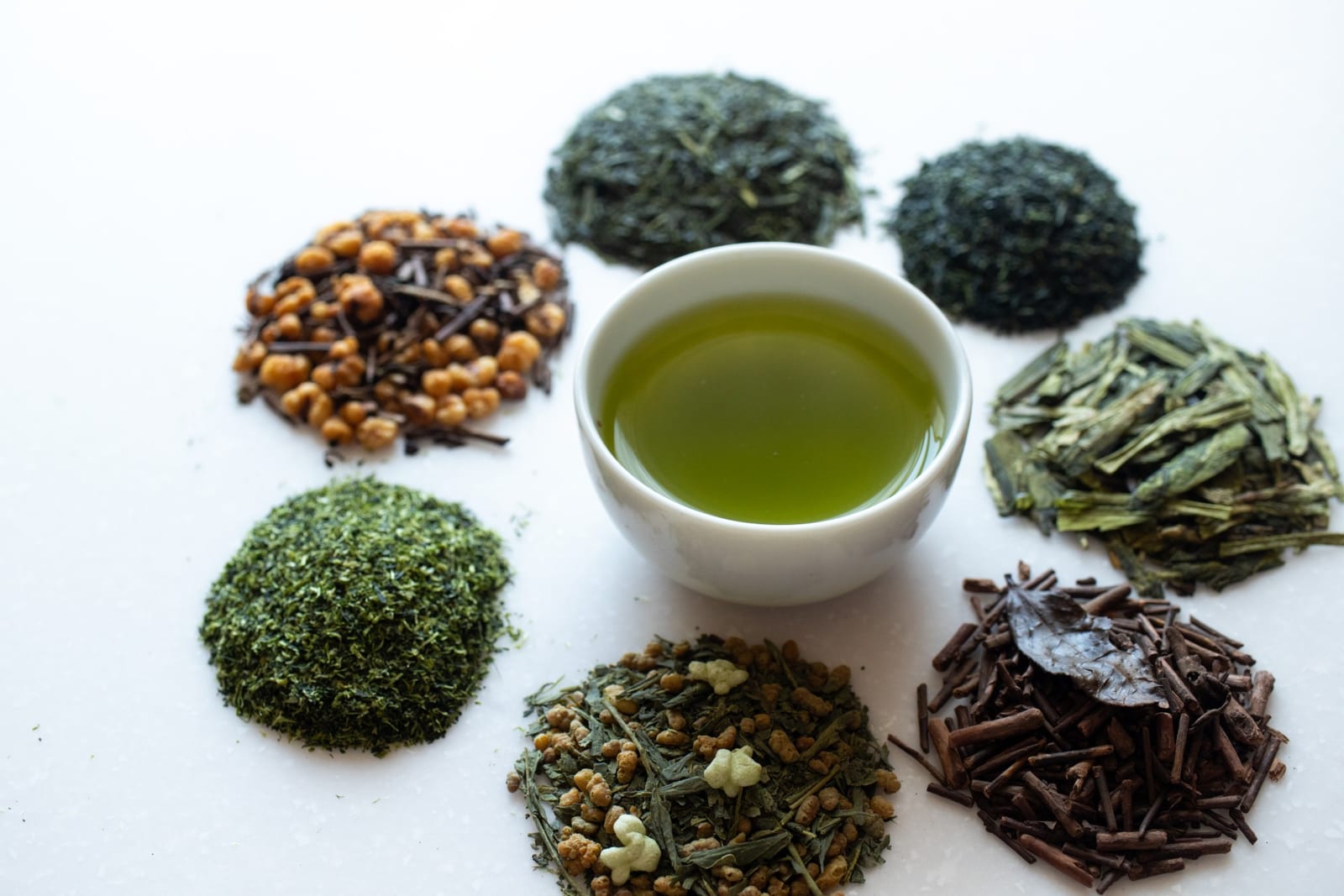
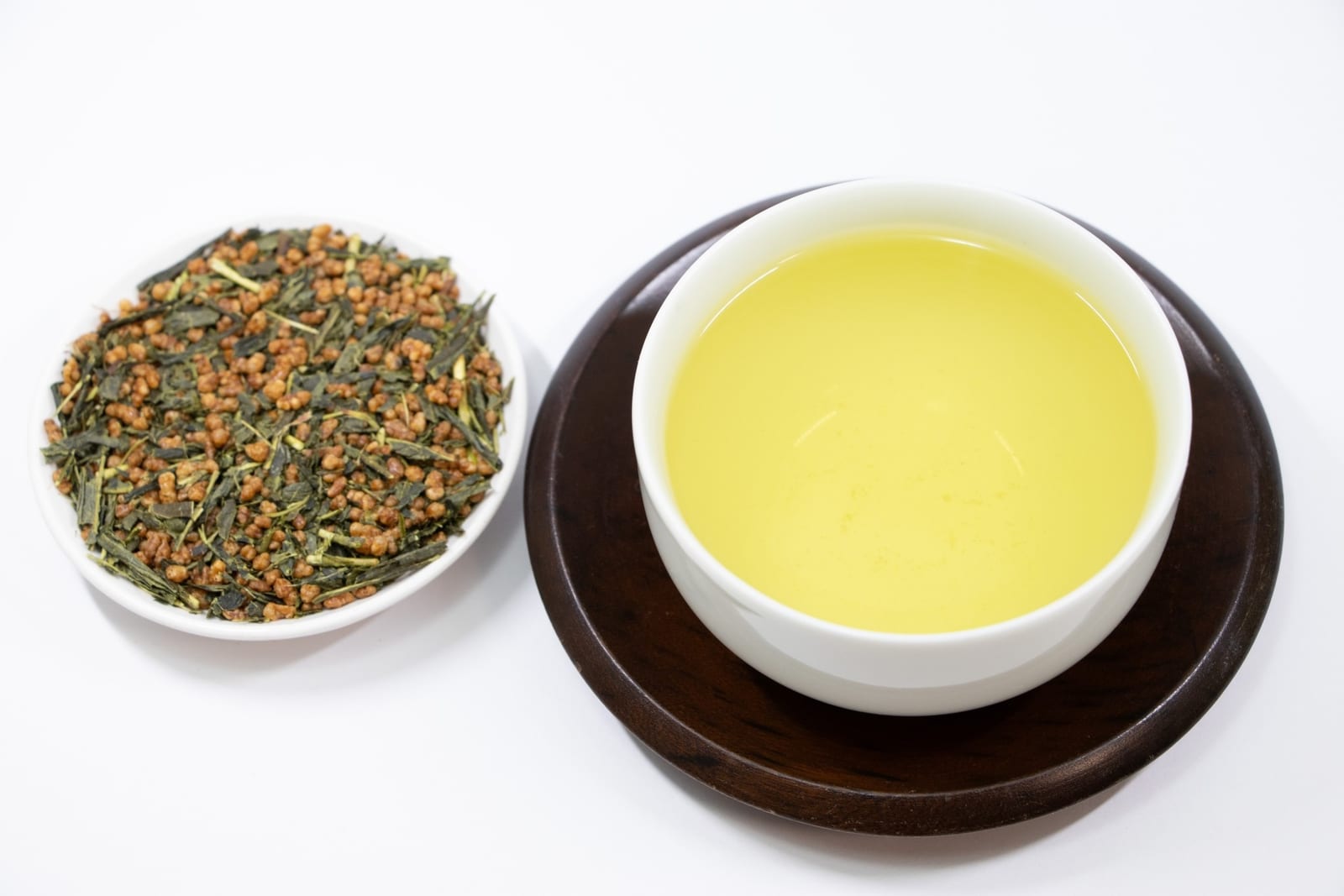
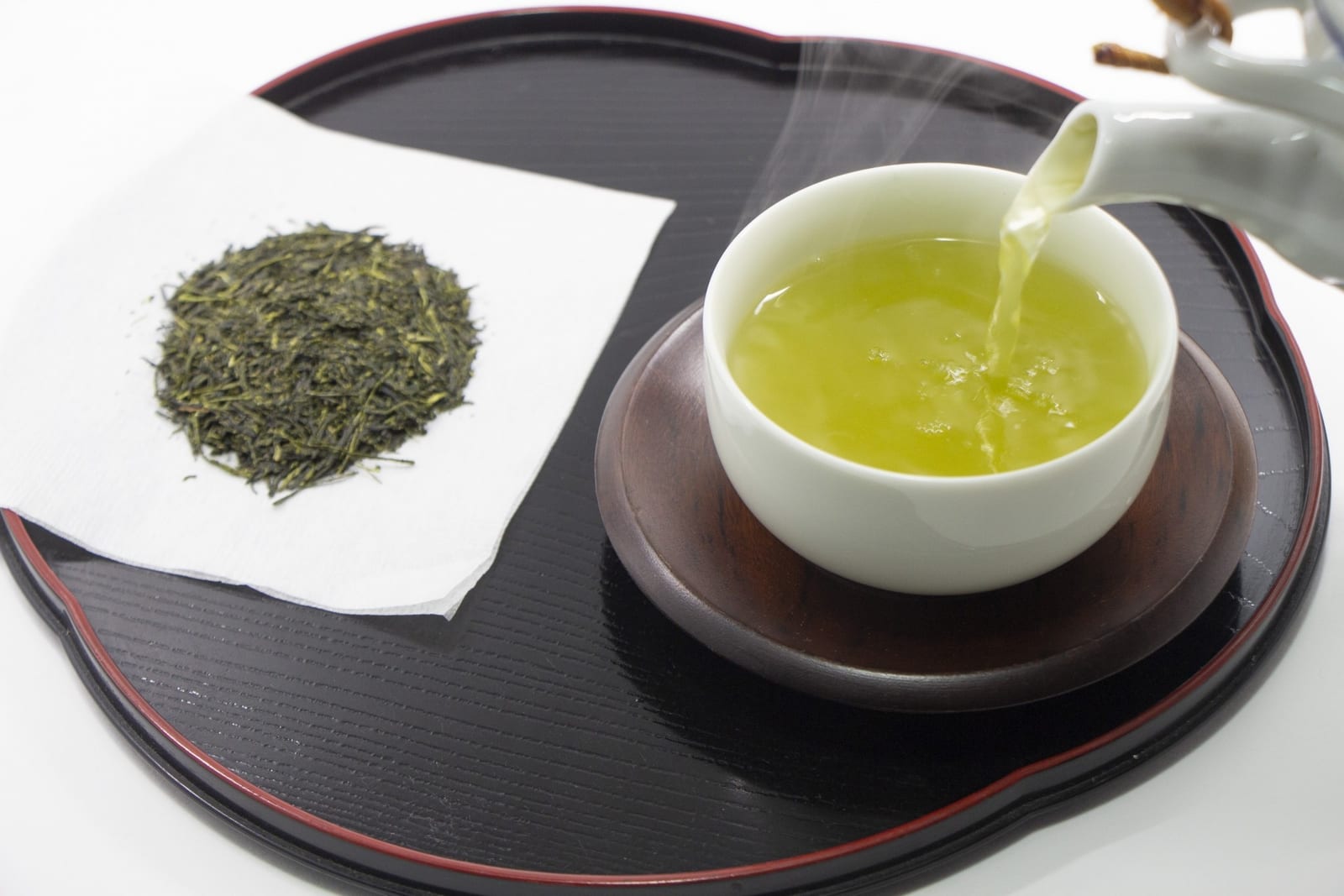
You came to a tea region, so here's the tea. For why Kawane tastes the way it does, our guide to Japan's tea regions goes into the soil and the mist. Here we'll stay with where to go.
The Fuji-no-Kuni Tea Museum (Fujinokuni Chanomiyako Museum) is in Kanaya, in the city of Shimada, so it makes a good hour before you get on the train. Entry fee, hours and the weekly closing day are on the museum's own site, and they've changed before, so check it before you go. There's a Japanese garden and a tea room, and a matcha-grinding experience that's charged separately. If you're curious about the powder itself, here's our guide to what matcha is. On foot from Kanaya Station it's a longish walk, and the figure we found was about 25 minutes. A short bus or taxi ride shortens it.
The Fore Nakakawane Chameikan (a tea house in Kawanehon) is free to enter, and Kawane tea is served by the cup if you want one. It's open from 10:00 to 16:30, with tea service taking orders until 16:00, and it's closed on Wednesdays, the day after a holiday, and over the New Year. It also lets you try brewing tea yourself and see how water temperature changes the taste (we couldn't confirm the fees). A roof renovation was announced in September 2026, and we couldn't confirm whether it affects opening, so it's worth a look at the tea house's page first.
In this region you may also read about the chagusaba method, the practice of cutting wild grass and laying it on the tea fields. It's part of a FAO Globally Important Agricultural Heritage System recognised in 2013, covering Kakegawa, Kikugawa, Shimada, Makinohara and Kawanehon. It happens in autumn and winter, so you'd notice it more in colder months. If you're taking tea home, our guide to buying Japanese tea has the practical bits.
One thing needs saying plainly: a working farm's fields aren't a place you can wander into. Tanno-en in Kawane has been growing tea for eight generations, without pesticides, and the grower himself walks guests through the field. The leaves you pick are fried as tempura on the spot. That's the part that has to be arranged ahead, and it's what our Kawane tea journey is built around.
So: on your own, or with us?
Kawane is made of two kinds of place. There are places you can reach with a ticket: the steam train, the bridges, the lake station, the hot spring, the museum. And there's the kind where someone has to let you in, which means a tea field, a farmer and a kitchen. Everything in the first group is yours to explore without us, and it's easily a good day, or two. Nobody needs a tour to enjoy a steam train.
If, though, what you'd like is a full day of the second kind (picking, tea-making and a farmer's company) without working out connections, we run a private day from Kakegawa Station, with an English-speaking guide: the Kawane tea journey. The tour page has the details, and it's built around a day by car, which gets round the broken rail link.
Either way, the river runs the same colour. See you out there.
Related tour
Kawane Tea Journey — A Private Day at an Eighth-Generation Tea Garden
Pick and taste tea at an eighth-generation, pesticide-free garden — one group a day
- June–March, weekdays · one group a day
- English-speaking guide
Did you enjoy this story?