Buying Japanese tea in Japan: choosing a bag, carrying it home, keeping it fresh
By Trip Japan YLP Editorial TeamPublished by Trip Japan YLP
In this article
Stand in front of a tea shelf in Japan and you'll see the problem within about ten seconds. Every bag is green. The writing is mostly kanji. One bag looks cheap, the one beside it costs ten times as much, and nothing on the front explains why.
Buying Japanese tea is easy. You can do it almost anywhere. The hard part is picking a bag you'll actually enjoy in your own kitchen, and then getting it home with the aroma intact. This guide walks that road in order, from the shelf to the first cup back home.
What it won't do is explain what each tea is. We've done that elsewhere, and we'll point you to it as we go.
Start with who's drinking, and how
Three quick questions narrow things down a lot. Is it for you or for someone else? Do you own a teapot or a whisk, or neither? Is it an everyday tea or a once-in-a-while one?
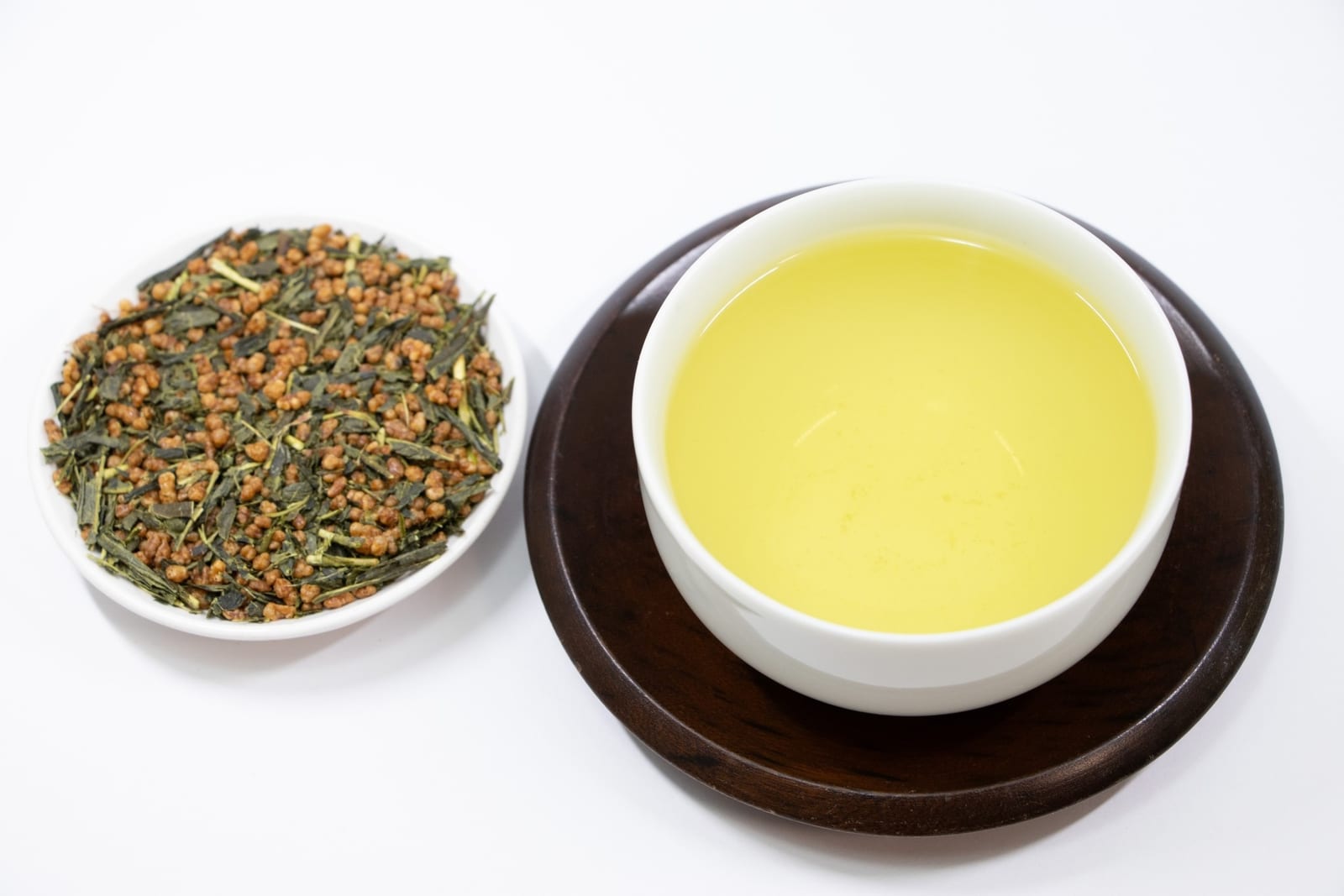
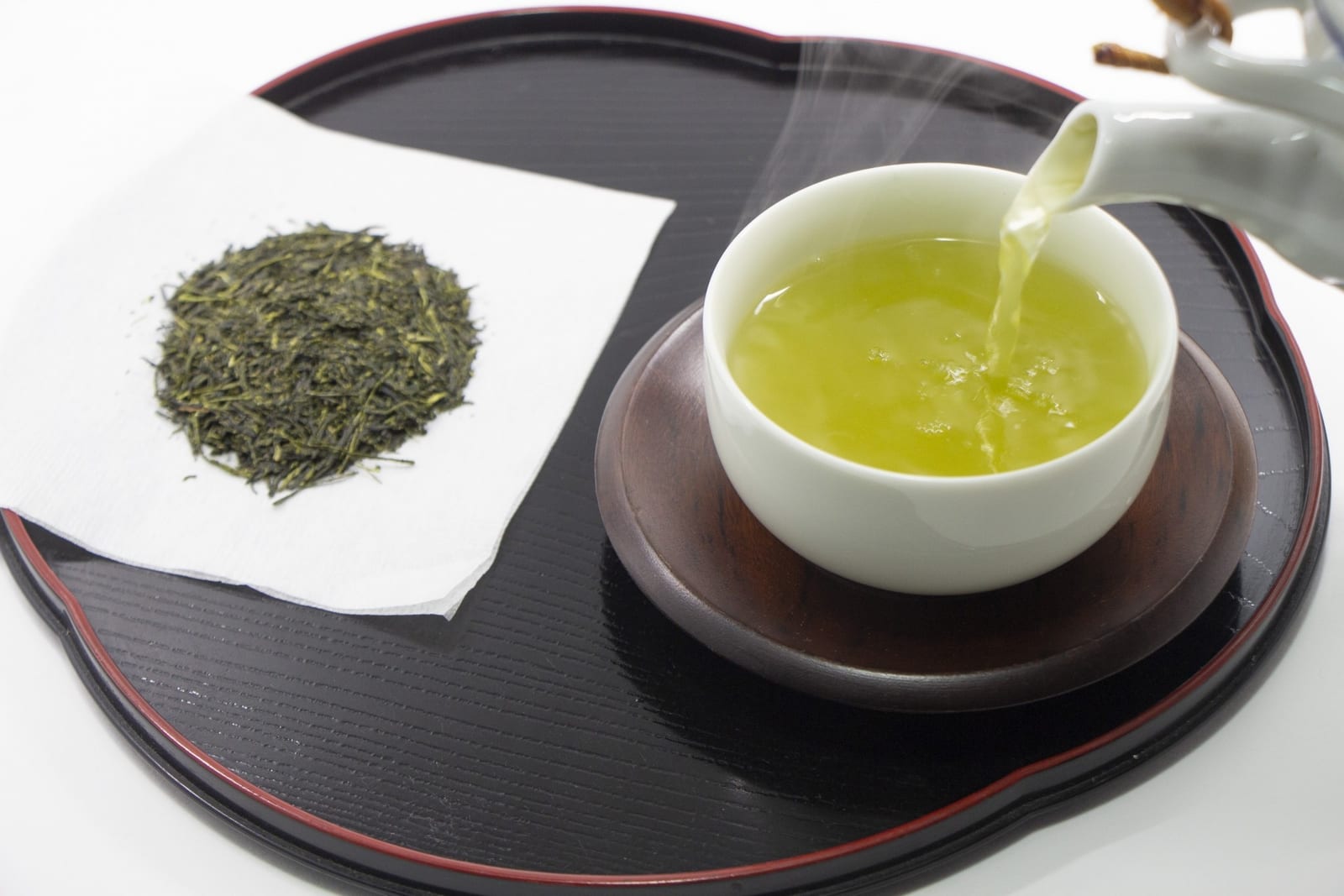
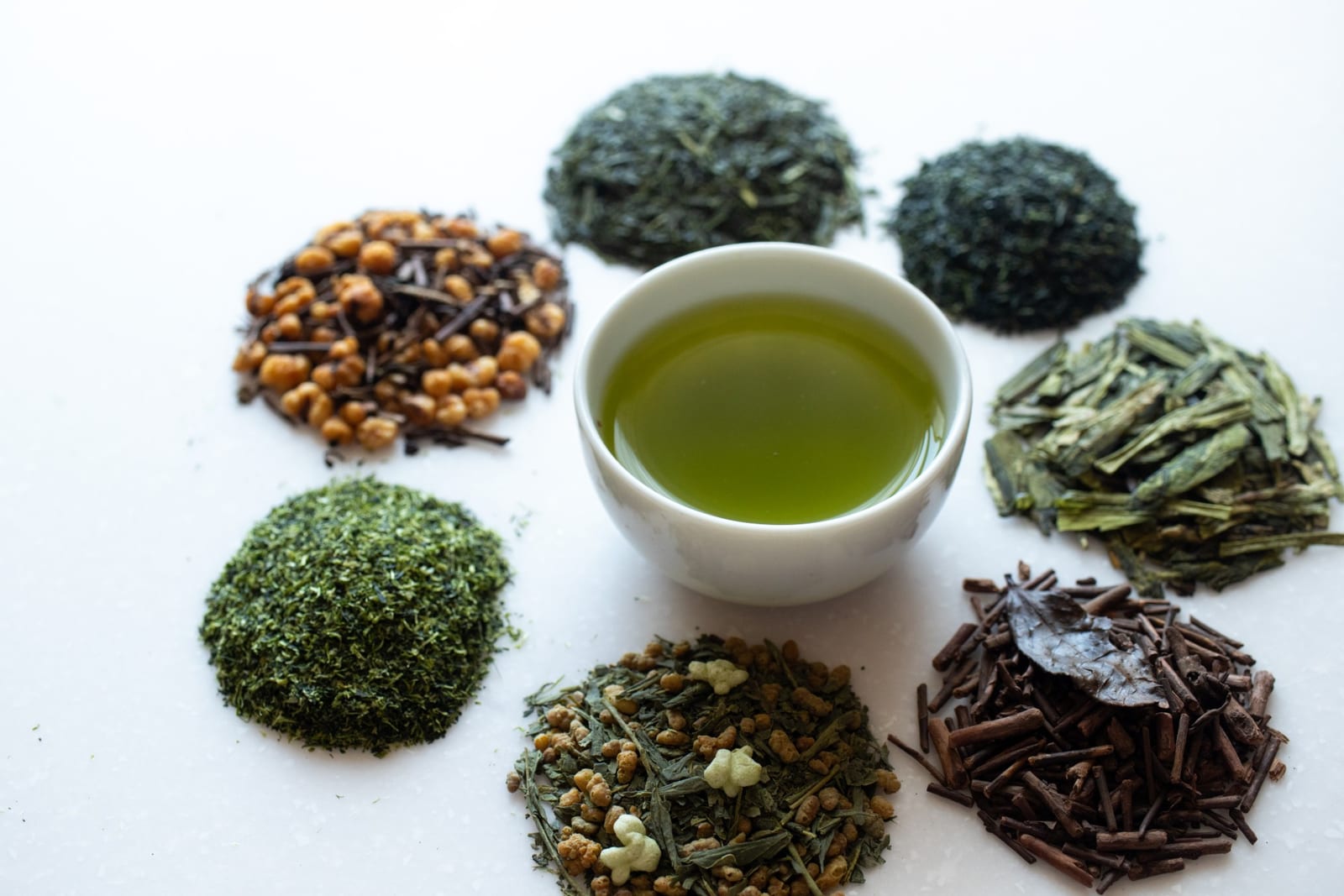
If you have a whisk and some patience, matcha is the obvious pick, and our guide to what matcha is covers the grades. If you have a teapot, or a mug and a small strainer, sencha is the everyday green tea, and sencha vs matcha shows how it differs. If you don't know what's in the recipient's kitchen, the roasted, toasty teas are the safe bets: hojicha and genmaicha are hard to get wrong. And for a treat you'd keep for a special evening, gyokuro is the shaded, sweet end of the shelf.
Two more filters, if you like them. You can choose by place, which is what where Japanese tea comes from is for. Or you can choose by time of year, and the tea calendar explains when the new leaf arrives.
Five places to buy, and what each is good for
For everyday tea, the kind locals drink without thinking about it, head to a supermarket. It's also the cheapest place to scout, because a shelf of ordinary bags shows you what's normal.
A neighbourhood tea shop is where you go when you want help. Many sell by weight, many will let you taste, and the person behind the counter will tell you which bag suits your teapot. If you have a free afternoon, this is the most fun on the list.
Buying a gift? Look in the basement food hall of a department store (depachika, in Japanese). Tea there tends to come in neat gift wrapping, and bags often carry the name of the growing area, so it's an easy place to buy for people you want to impress.
Station and airport shops are the last resort. They're convenient, and the range is usually narrow. Fine if you forgot someone, but rarely the best bag you'll find on the trip.
And then there are the tea-growing towns themselves. In places like Kawane in Shizuoka or Nishio in Aichi, it's usually possible to taste at a farm or local shop before you commit to a bag. That's a different kind of shopping, and we'll come back to it at the end.
One small trick if you're unsure what you like: buy a few bottled green teas at a convenience store first. The shelf usually includes deep-steamed, matcha-blended, roasted and rice-blended versions. Drinking them cold in a park is a cheap way to find out which flavour you reach for.
Reading a label when you can't read Japanese
You don't need the whole label. A handful of details will tell you most of what matters.
Look first for the place name, usually a prefecture or a town written in kanji. A single-origin tea names where it grew, and a blend of leaves from several places is normally marked as a blend. Next, look for ichibancha (一番茶) or shincha (新茶), which both point to the first pick of the spring. Fukamushi (深蒸し) means the leaf was steamed longer, which tends to give a cloudier, mellower cup, as we explain in how green tea is made. If you see "matcha-iri" (抹茶入り), it simply means matcha has been added to the blend.
Then check the amount. A bag of sencha is commonly around 100 grams, while matcha usually comes in much smaller tins, often somewhere between 20 and 40 grams. It's worth knowing, because a small tin that looks expensive may just be a small tin.
The date matters too. The best-before date is printed in year, month, day order, for example 2027.6.30, and occasionally as an era year such as Reiwa 9, which is 2027. If you're buying a gift, a date well into the future is a good sign.
The matcha grade and gyokuro's shading days are already explained in the articles linked above, so we won't repeat them here.
Tax-free shopping changes on 1 November
Tea counts as a consumable, and consumables are covered by tax-free shopping. How you claim it is about to change.
Until 31 October, you show your passport at the register and the tax comes off the price. From 1 November 2026, the plan is that you pay the full price in the shop and get the consumption tax back when you leave. The threshold is ¥5,000 before tax, in the same shop on the same day, and under the new rules general goods and consumables can be added together. You need to leave Japan within 90 days, and you should carry your passport and receipts.
Honestly, the part that trips people up is the money coming back. Refunds can be paid by bank transfer, to a card or through an app, it differs from shop to shop, and the shop explains its method when you buy. So when you pay, ask one simple question: how will the money reach me? Treat what's here as a summary, and please look at the latest official information shortly before you travel. We keep the full picture in our tax-free shopping guide.
One more thing, because tea is so tempting to open. The sealed-bag rule is being dropped, so you can open a packet while you're still in Japan. Just know that the refund only covers what you actually carry out of the country. Tea you drink before you fly isn't refunded, and if you've used any of it, you're asked to tell the customs counter rather than use the self-service terminal. The easy way out: buy a cheap everyday bag at the supermarket for the hotel kettle, and keep the tax-free bags unopened for home.
Getting it home with the aroma intact
Tea hates three things: air, light and strong smells. The simplest approach is to keep the bag sealed and put it inside a zip bag, then tuck it in the middle of your clothes, away from the suitcase edges and away from anything scented.
If you've bought matcha, remember it's a fine powder. Powders can get extra screening at some airports, so pack the tin in your checked bag where you can. Rules differ by airport and country.
Now the paperwork. Every country has its own rules about bringing food home, and those rules change. Please check the official site of your destination before you fly. As a rough guide:
Australia asks you to declare food and plant material on your incoming passenger card. Commercially packaged tea is usually something to declare, and declaring it is the safe route. Officers will normally take a look and let it through, but the decision is theirs on the day.
Singapore treats tea as a processed food. Small amounts for personal use are generally fine, but the details vary.
Taiwan and Vietnam generally treat small, personal-use amounts as ordinary souvenirs, though specific limits and checks can apply.
If your bag is already full, luggage forwarding can send a box on ahead of you, so the tea doesn't have to squeeze into your suitcase.
Opening it at home
Once the bag is open, the clock starts. Move the tea into an airtight container and keep it away from light, heat and anything smelly.
Matcha is the fussiest. It's commonly kept in the fridge after opening, and finished within a few weeks. Sencha and gyokuro are happiest when you drink them soon, and a rough guide from tea sellers is two weeks in summer and about a month in winter, though it depends on your kitchen. Roasted teas like hojicha and genmaicha are more relaxed.
If you do keep tea in the fridge, let the container come back to room temperature before you open it. Otherwise condensation forms, and damp is the enemy. Freezing is debated among tea sellers, so we'd only consider it for tea that's still sealed.
One thing that won't fit in a suitcase
Whichever bag you choose, there's one part of Japanese tea you can't pack. It's the hour spent drinking leaves picked a few steps from where you're sitting.
If you can get to a tea-growing area, it's worth the trip. We run a private day in the hills of Kawane, in Shizuoka, and you can read about it in our Kawane tea day. And if that isn't on your itinerary, don't worry. A good bag, hot water, and a quiet few minutes in your own kitchen is already a very good cup of tea.
Safe travels, and enjoy the first pour.
Planning a trip around central Japan? See the small-group days we run from Nagoya.
Browse all toursDid you enjoy this story?